Introduction
Precision plays a far greater role in tiling than many property owners realise. Whether installing tiles in a bathroom, kitchen, hallway, or commercial setting, accuracy influences the final appearance, durability, and long-term performance of the surface. Even high-quality tiles can produce disappointing results if measurements, alignment, or preparation are overlooked.
For London homeowners, precision is particularly important. Victorian property renovations, modern extensions, kitchen refurbishments, and luxury bathroom projects often present unique challenges that demand careful planning and execution. Precision tile installations help ensure that wall and floor tiling not only looks impressive on completion but continues to perform well for years to come.
The Difference Precision Makes in Tiling Projects
Beyond Appearance and Aesthetics
A precise tiled finish is not only about neat lines and tidy grout joints. It also affects how well the surface holds up to everyday use.
When tiles are set out correctly, the room feels more balanced and the finish looks intentional. This matters in both period London homes and modern interiors where walls, floors, and features need to work together visually.
Why Small Errors Become Large Problems
Minor inaccuracies can become far more noticeable once a room is complete. A grout joint that drifts slightly out of line or a tile that sits marginally higher than its neighbour can interrupt the overall appearance of the installation.
Across larger walls and floors, these imperfections tend to draw the eye. What begins as a small discrepancy during fitting can affect the visual balance of the entire space.
Accurate Planning Before the First Tile Is Laid
Measuring and Marking with Precision
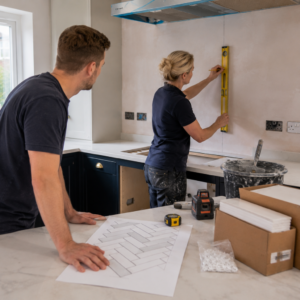
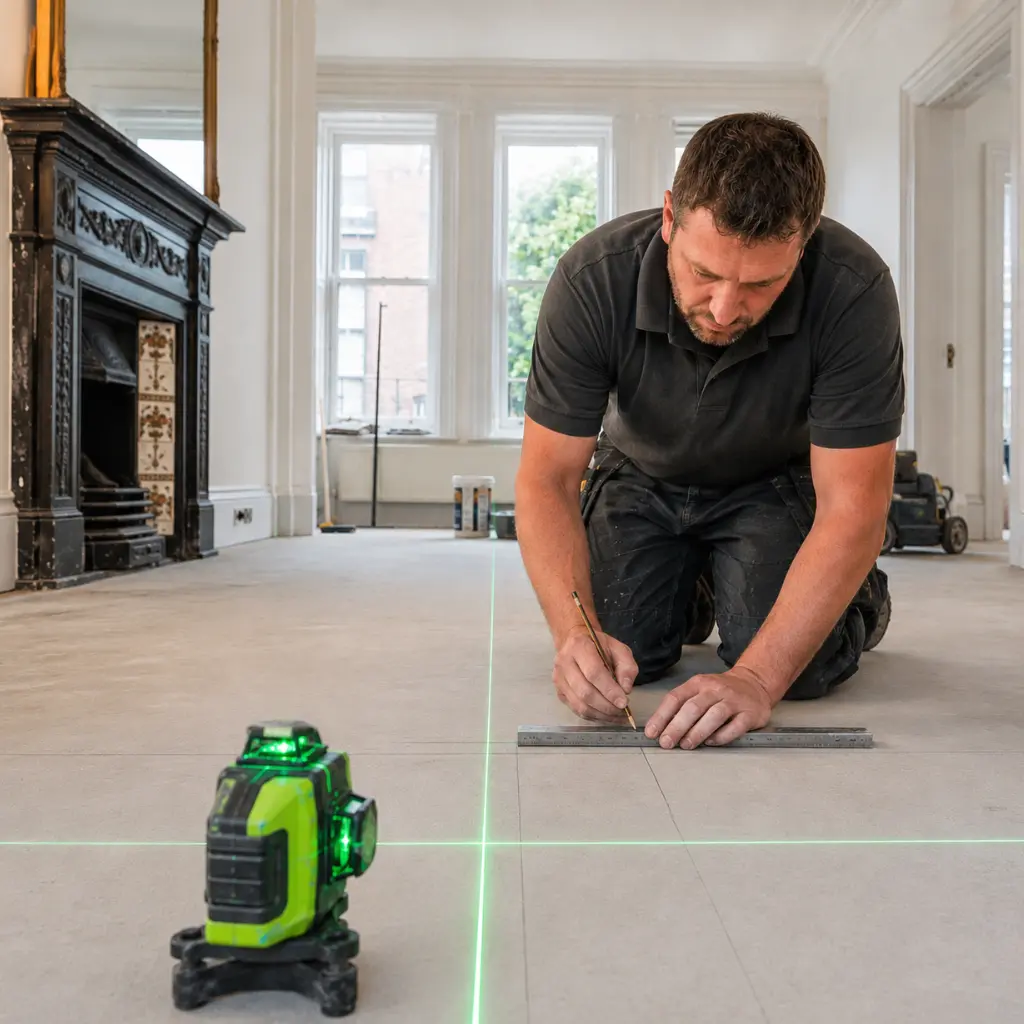
Good tiling starts with careful setting out. Before tiles are fixed, reference lines help guide placement and prevent the layout from drifting as the work progresses.
Accurate measuring is especially important around doorways, sanitaryware, cabinets, and corners. Without clear marks from the start, cuts can become uneven and the final layout may feel poorly planned.
Creating a Balanced Tile Layout
A thoughtful layout helps ensure the tiled surface feels proportionate and visually organised. The position of cuts, joints, and focal points should be considered before installation begins.
This is especially important in kitchens and bathrooms where fixtures, corners, and openings influence the overall arrangement. Careful planning helps avoid awkward cuts and improves the finished appearance.
Why Surface Preparation Cannot Be Overlooked
Achieving a Stable Foundation
A tiled finish depends heavily on the condition of the surface underneath. Uneven walls, dipped floors, or loose backgrounds can make even well chosen tiles look poorly fitted.
Preparing the base properly gives each tile stronger support and allows the finished surface to sit more evenly. This is particularly important for floor tiling, wall tiling, and larger tile formats.
Challenges in London Properties
Older London homes often need extra care before tiling begins. Victorian houses, Edwardian homes, and terraced properties may have uneven walls, ageing floors, or previous repair work hidden beneath the surface.
These issues do not prevent a good finish, but they do require proper assessment and preparation. Skipping this stage can make accurate alignment much harder to achieve.
Precision Tile Cutting and Edge Finishing
Clean Cuts Create Better Results
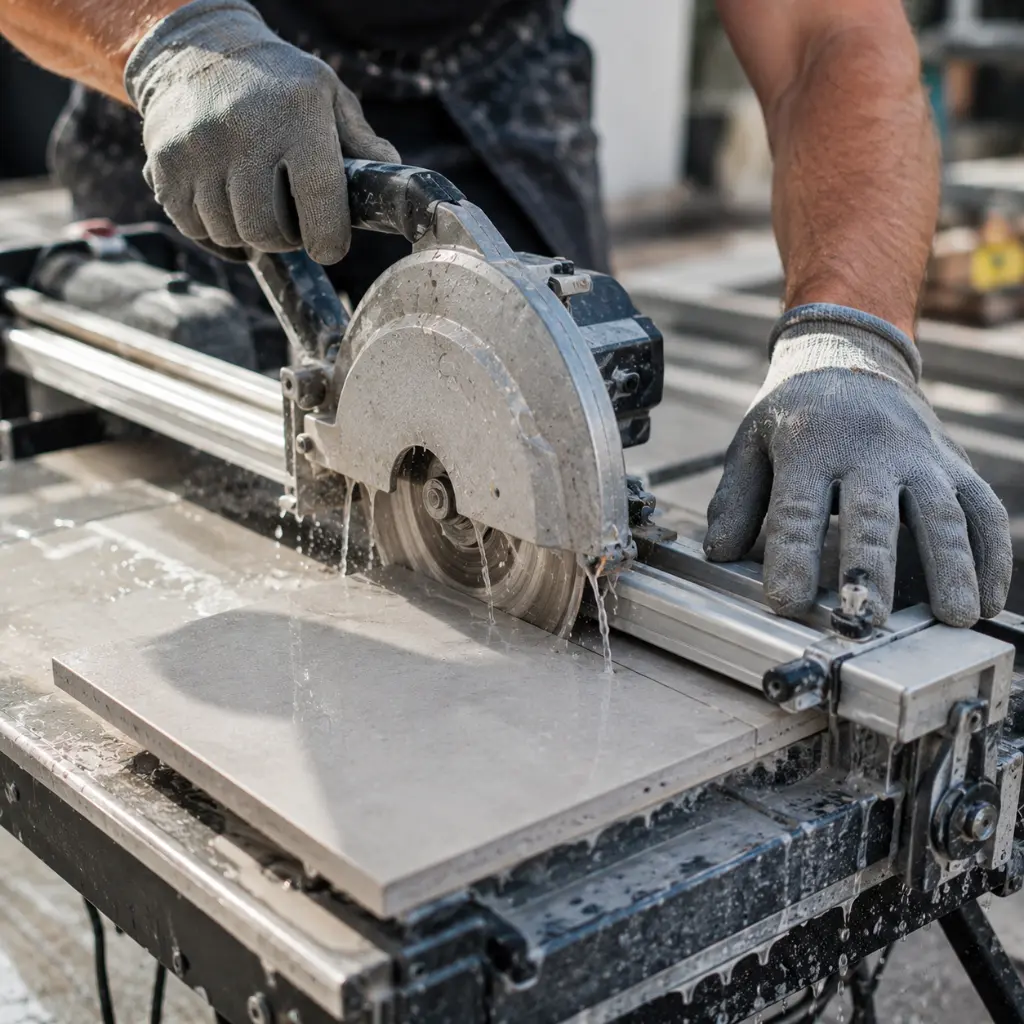
Few aspects of tiling reveal workmanship more clearly than tile cutting. Accurate cuts help maintain consistent spacing around corners, doorways, pipework, and architectural features.
Precision tile cutting is especially important when working with porcelain tiles, natural stone tiles, or decorative layouts where inconsistencies are more noticeable.
Maintaining Tile Edge Integrity
Well-finished tile edges contribute significantly to the overall quality of the installation. Damaged corners, uneven cuts, or poorly finished edges can distract from an otherwise attractive design.
Taking care during cutting and fitting helps preserve the appearance of the material while creating cleaner transitions around fixtures, corners, and adjoining surfaces.
The Importance of Tile Alignment
Keeping Lines Consistent Across Walls and Floors
Tile alignment plays a crucial role in achieving visual continuity throughout a property. Grout joints should follow straight lines and remain consistent across adjoining surfaces wherever possible.
In open plan spaces or larger rooms, maintaining alignment becomes increasingly important because the eye naturally follows repeating patterns across the tiled area.
Avoiding Common Alignment Issues
Poor alignment can come from several small mistakes rather than one obvious error. Inaccurate measuring, uneven spacing, rushed setting out, or failing to check lines during fitting can all affect the final result.
Regular checks throughout the job help keep grout joints straight and tile positions controlled, especially across larger floors and feature walls.
How Professional Tools Improve Accuracy
Equipment Used for Precision Tiling
Modern tiling tools help improve control throughout the installation process. Tile spacers, levelling systems, and alignment aids support consistency across larger tiled areas.
While these tools are valuable, the final result still depends on how they are used. Good workmanship remains the foundation of a successful installation.
Handling Large and Heavy Tiles
Large-format tiles and porcelain panels require precise handling throughout installation. Their size and weight leave little room for adjustment once positioned.
Specialised lifting equipment and tile handling systems help place these materials accurately while reducing the risk of damage during fitting.
Adhesive Application and Tile Positioning
Consistent Adhesive Coverage
Adhesive does more than hold tiles in place. It supports the tile across its underside and helps the surface remain stable during daily use.
The right trowel, suitable mortar mix, and even application all help prevent weak spots beneath the tile. This is particularly important in bathrooms, kitchens, and high traffic floor areas.
Maintaining Accurate Tile Placement
Setting tiles correctly requires ongoing checks throughout the installation rather than relying solely on initial measurements. Small adjustments made as work progresses help maintain alignment and visual consistency.
This approach is particularly beneficial when working with larger tiles, patterned layouts, or areas where several surfaces meet.
Precision in Bathroom and Kitchen Tiling
Bathroom Areas Where Accuracy Matters Most
Bathrooms often contain numerous features that demand precise installation. Shower walls, niches, corners, and wet areas all require careful planning to ensure clean lines and professional detailing.
Accurate tiling also contributes to better waterproofing performance by supporting consistent grout joints and reliable surface coverage.
Kitchen Features That Depend on Precision
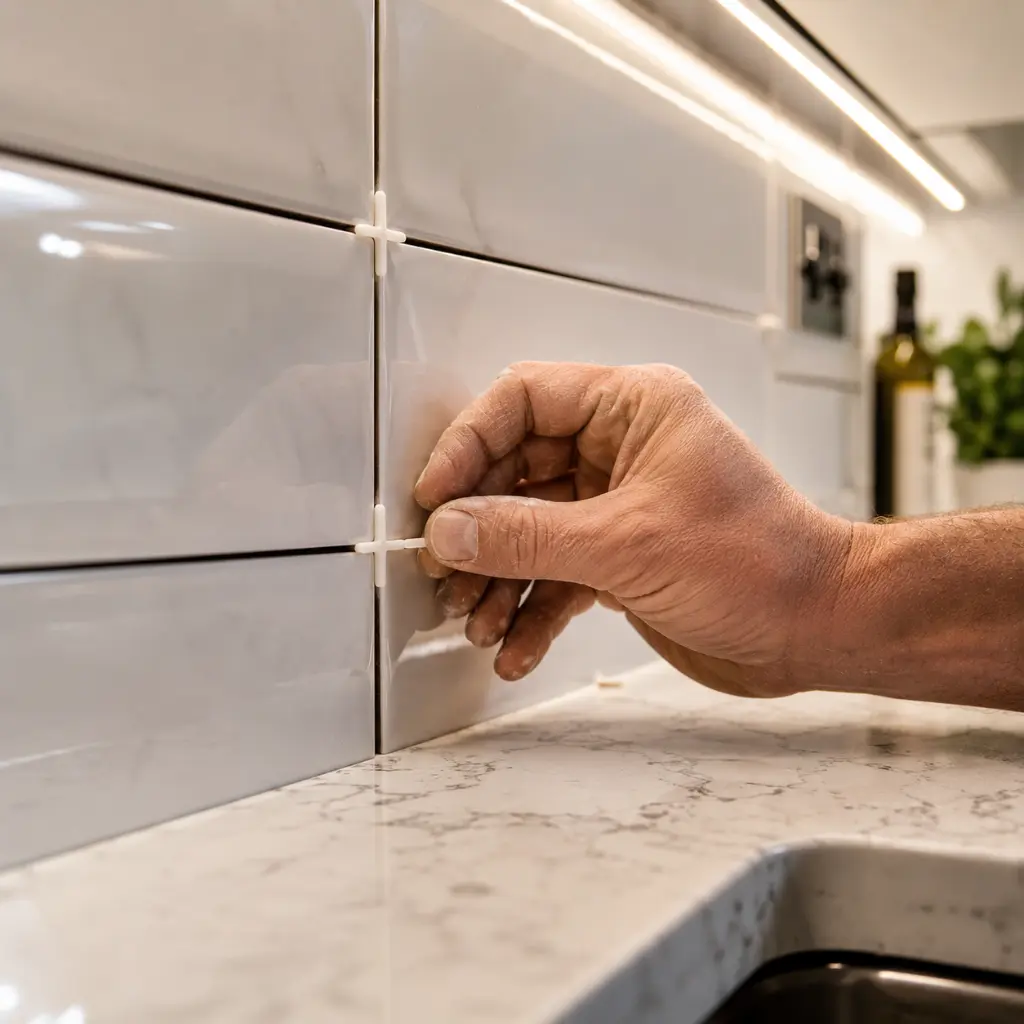
In kitchens, precision becomes particularly important around splashbacks, worktops, cabinetry, and flooring transitions. Misaligned tiles in these areas can quickly affect the overall appearance of the room.
Careful positioning and consistent spacing help create a cohesive finish that complements both modern and traditional kitchen designs.
Long-Term Benefits of Precision Tile Installations
Improved Durability and Performance
Precision affects more than appearance alone. Tiles that are positioned and supported correctly are generally less likely to experience unnecessary stress during normal use.
Consistent installation methods also help support grout performance and contribute to a tiled surface that remains functional and attractive for longer.
Better Results for Residential and Commercial Spaces
In homes, accurate tiling helps bathrooms, kitchens, hallways, and living spaces feel well finished and easier to maintain. In commercial settings, the same level of care supports a clean and professional appearance.
Larger areas tend to reveal mistakes more quickly, so careful planning and controlled workmanship become even more important.
Choosing the Right Tiling Approach
Planning a Successful Installation
Achieving a high-quality tiled finish begins long before the first tile is fixed in place. Accurate measurements, careful setting out, substrate assessment, and material planning all influence the final result. Taking time to evaluate the installation requirements at the outset helps reduce the risk of alignment issues, uneven surfaces, and unnecessary complications later in the project.
Why Experience Matters
Different properties and materials require different methods. A period bathroom, a modern kitchen splashback, and a commercial floor will each need a slightly different approach.
Experienced tilers understand how to adjust the setting out, preparation, cutting, and fitting process to suit the space while keeping the finish neat, durable, and practical.
Conclusion
Precision affects every part of wall and floor tiling, from measuring and preparation to cutting, alignment, adhesive work, and finishing. When each stage is handled carefully, the result is cleaner, stronger, and better suited to long term use.
For London homeowners planning bathroom tiling, kitchen tiling, Victorian slate tiling, or commercial tiling, a precise approach can make a clear difference to the finished project. Abel Tiler can offer practical guidance for achieving a reliable and well finished tiled surface.