Introduction
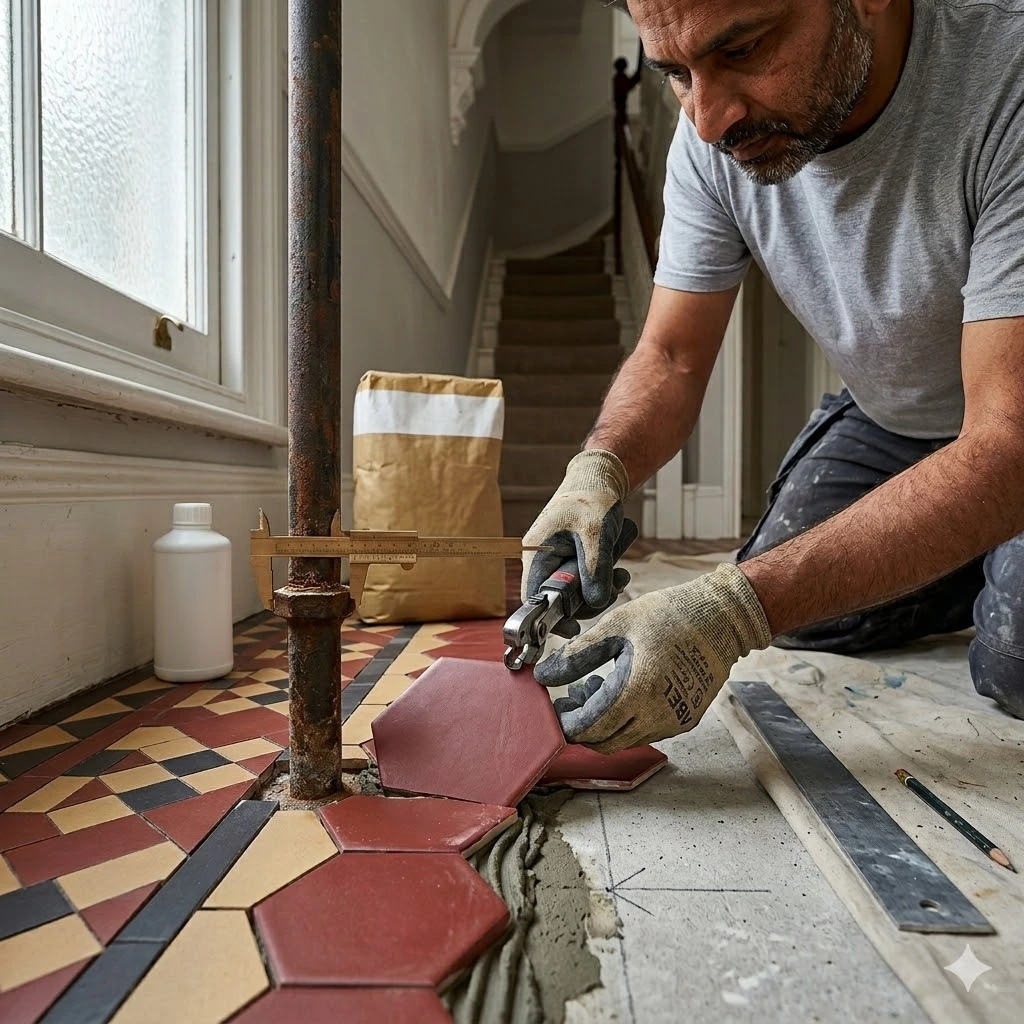
Planning a tiling project in the UK requires a clear understanding of standard tile thickness, particularly in period properties where proportions and detailing play an important role. Victorian homes across London often demand careful material selection to ensure the finish aligns with both structural requirements and traditional design, with traditional slate tiling for Victorian properties in London being a common choice.
Tile thickness also affects how the surface performs once in use, particularly in hallways and entrance areas exposed to regular footfall. Choosing the right specification supports a stable installation and helps maintain a consistent, long-lasting finish.
What Does Tile Thickness Mean in mm
Tile thickness refers to the measurement from the top surface to the underside of the tile, usually expressed in millimetres. This dimension affects how a tile behaves, how it is installed, and how it integrates with surrounding surfaces.
In practical terms, it determines how much load a tile can handle and how it sits once fixed. Thicker tiles are generally used where strength is required, while thinner tiles are more suitable for vertical surfaces.
Standard Tile Thickness Ranges by Material and Application
Different materials come with varying thickness ranges depending on their intended use. Understanding these variations helps ensure the correct choice for each area of the home.
Typical ranges in UK homes:
- Ceramic tiles: commonly between 6mm and 10mm
- Porcelain tiles: typically between 8mm and 12mm
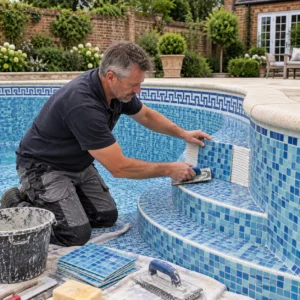
- Mosaic tiles: often thinner, around 4mm to 8mm
- Natural stone tiles: usually thicker to support structural stability
Victorian Tile Thickness and Traditional Standards
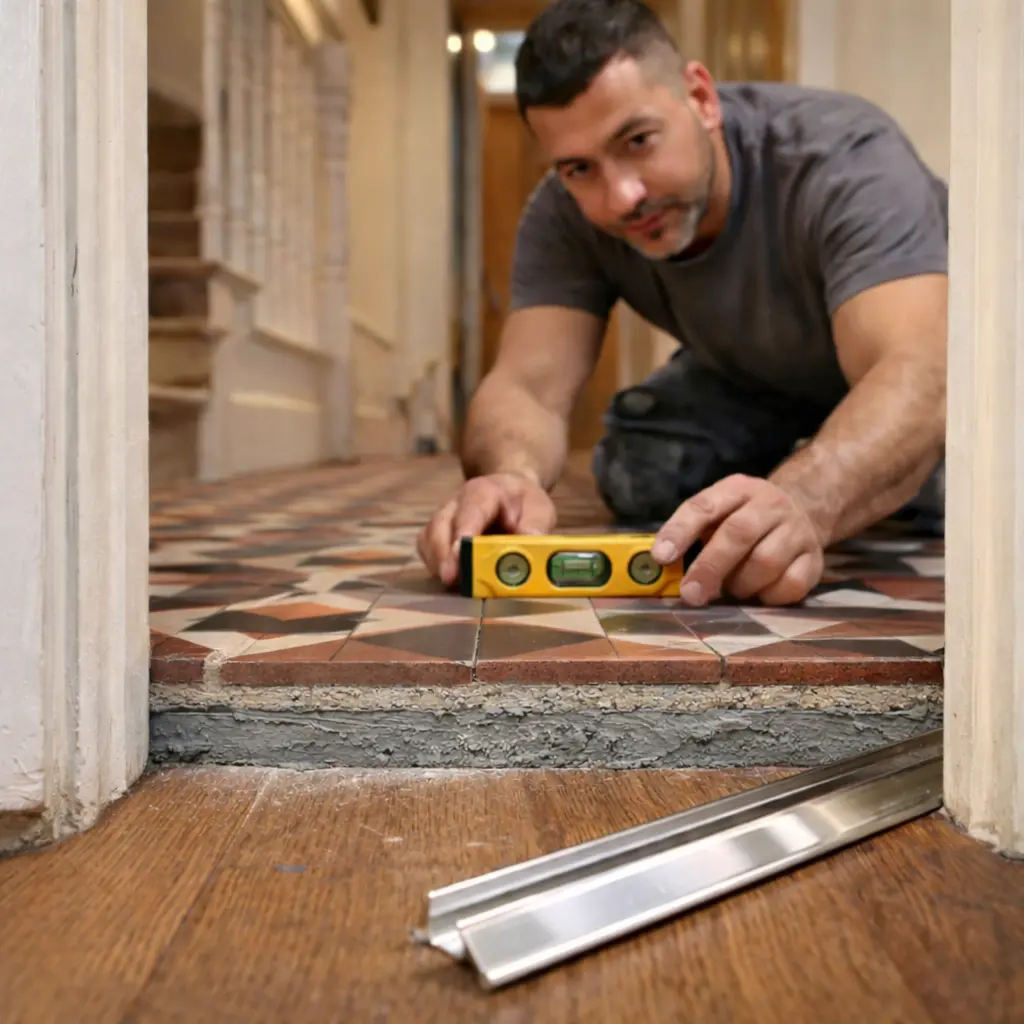
Victorian geometric tiles follow specific sizing and depth standards to maintain their distinctive appearance. These tiles are usually produced in small formats, allowing detailed patterns to be formed across the floor.
A typical installation includes a depth of around 9mm, with an additional adhesive layer contributing to the total build. This helps keep the surface level and structurally sound across the layout.
Edwardian tiles also fall within similar thickness ranges, often featuring simpler layouts that differ from the more intricate Victorian patterns.
Tile Size Variations and Their Impact on Design
Tile size plays a key role in shaping the overall look and feel of a space. Different formats influence how patterns are formed, how proportions are perceived, and how the layout interacts with the dimensions of the area.
Smaller tiles are often used to create detailed arrangements, allowing for more intricate designs and greater flexibility in layout. This makes them particularly suitable for traditional settings where pattern and structure are important. Larger tiles, on the other hand, tend to produce a cleaner and more uniform appearance, reducing visual breaks across the surface.
The choice of size also affects how a space is perceived. Smaller formats can add depth and character, especially in narrower areas, while larger tiles can make open spaces feel more continuous. Selecting the appropriate size helps achieve a balanced design that complements both the layout and the proportions of the room.
How Tile Thickness Affects Strength and Durability
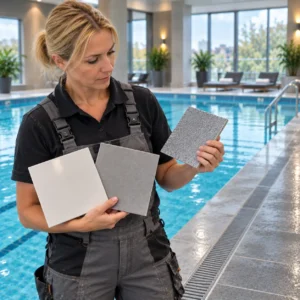
Tile thickness plays a direct role in how well a surface withstands everyday use. Thicker tiles are generally more resistant to pressure and impact, making them suitable for areas that experience frequent foot traffic. They distribute weight more effectively, reducing the likelihood of cracks or damage over time.
However, durability is not determined by thickness alone. Material quality also contributes significantly. Well-manufactured tiles with consistent density and proper firing offer better resistance to wear and maintain their structure more effectively over time.
The way tiles are supported beneath the surface is equally important. A properly prepared base helps maintain stability and reduces the risk of movement under load.
How Tile Thickness Impacts Floor Height and Transitions
The final floor height depends on both the tile and the adhesive layer. This must be considered when planning transitions between rooms.
Differences in height can affect door clearances and connections to other flooring types. Precise planning helps maintain a smooth transition and prevents uneven surfaces between adjoining spaces.
Tile Thickness and Tile Quality: Working Together
Tile thickness contributes to strength, but it works alongside material quality rather than replacing it. The right combination of depth and manufacturing standard helps ensure the surface performs as expected in its intended setting.
Well-made tiles with consistent density and proper firing offer better durability and stability, even when used at standard thickness levels. Selecting suitable materials alongside the correct specification helps achieve a balanced and dependable result.
Installation Considerations Based on Tile Thickness
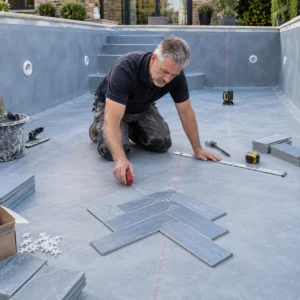
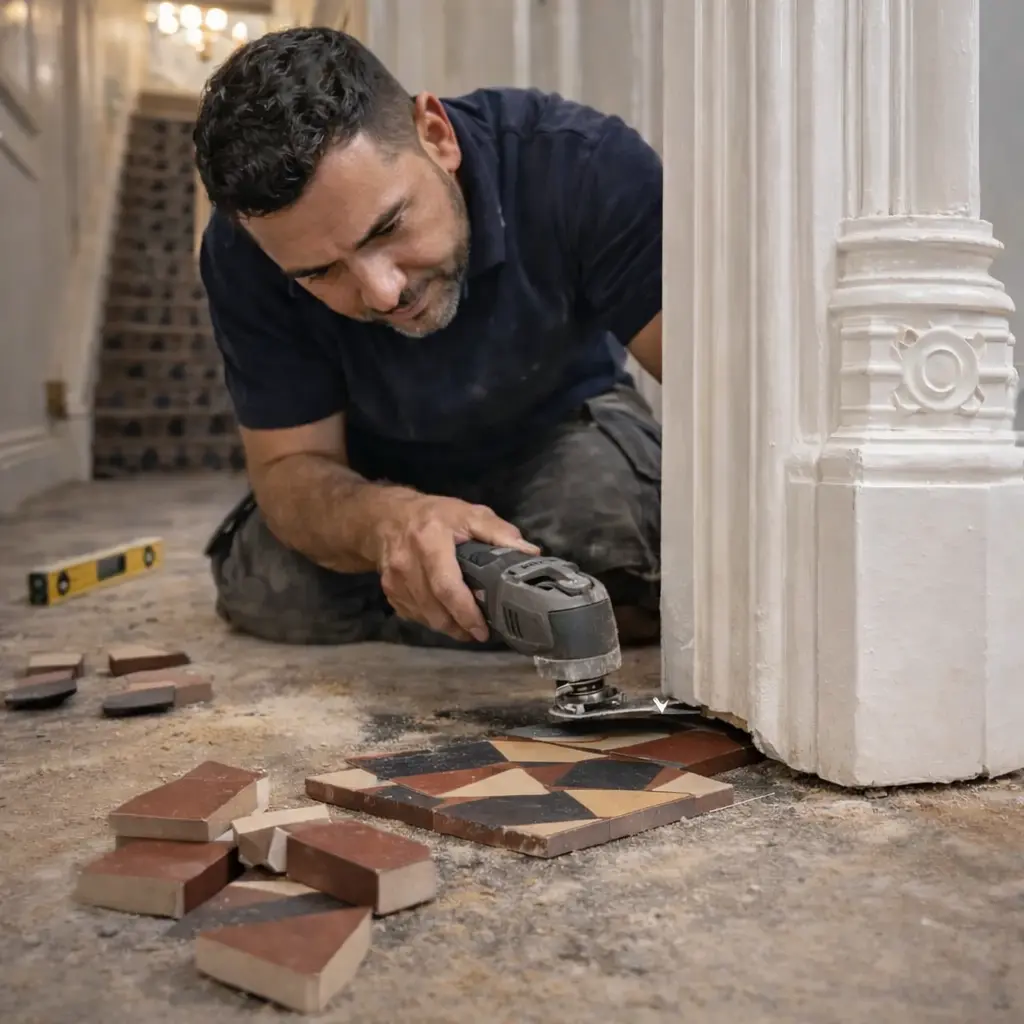
Getting the depth right also shapes how the installation is carried out. Different tile thicknesses require adjustments in adhesive application to ensure a level and even finish. If not managed correctly, variations can lead to uneven surfaces and alignment issues.
Heavier tiles often require stronger bonding materials and more controlled placement to maintain accuracy. Lighter alternatives depend on a flat and consistent base to prevent shifting after fixing.
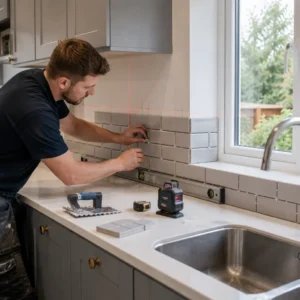
Careful attention to adhesive coverage, spacing, and positioning ensures each tile is properly supported, resulting in a smooth, level surface that performs consistently over time.
Why Professional Installation Matters
Professional tilers understand how to manage the variations, ensuring tiles are installed accurately and remain level across the entire area. They also plan transitions carefully so adjoining surfaces connect cleanly without height differences.
At Abel Tiler, each installation is handled with attention to detail, ensuring the finish is accurate and consistent throughout, and built to last in its intended environment.
Conclusion
Understanding standard tile thickness UK helps ensure the right materials are chosen for both performance and appearance. From Victorian floor tile depth to modern size variations, each decision plays a role in how the finished surface holds up over time.
With proper planning and skilled installation, tiled surfaces can remain durable and visually appealing for years. Abel Tiler applies practical expertise to every installation, delivering tiling solutions that align with both structural needs and design expectations across London properties.