Introduction
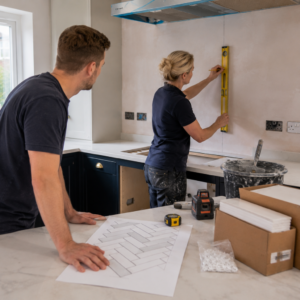
Tiles are designed to provide a durable, attractive, and practical finish for walls and floors throughout the home. Whether installed in bathrooms, kitchens, hallways, or living spaces, a quality tiled surface should withstand daily use while maintaining its appearance for years. However, bad tile installation can lead to a range of issues that may not become obvious immediately.
Many cases of poor tile installation in London properties only reveal themselves over time. Houses with uneven walls exposed to moisture and movement, tile installation problems can affect properties of all ages. Understanding the warning signs early can help homeowners address defects before they develop into more extensive repairs.
Hidden Tile Installation Defects
Many tiling defects originate below the finished layer and may remain unnoticed for some time. Inadequate substrate preparation, poor levelling, insufficient adhesive coverage, or ineffective waterproofing can all compromise the finished result.
Although the tiles may initially appear secure, weaknesses below can gradually affect stability. In many cases, the first visible signs do not appear until months after the work has been completed.
Why Defects Tend to Appear Over Time
Daily use gradually exposes weaknesses that may have been hidden during installation. Foot traffic, regular cleaning, moisture, and seasonal temperature changes all place stress on tiled surfaces.
Older London properties can be particularly susceptible because slight structural movement is common over time. What initially appears to be a sound installation may begin to show signs of movement, cracking, or adhesion failure as these pressures accumulate.
Uneven Tiles and Tile Lippage
What Causes Uneven Tile Installation?
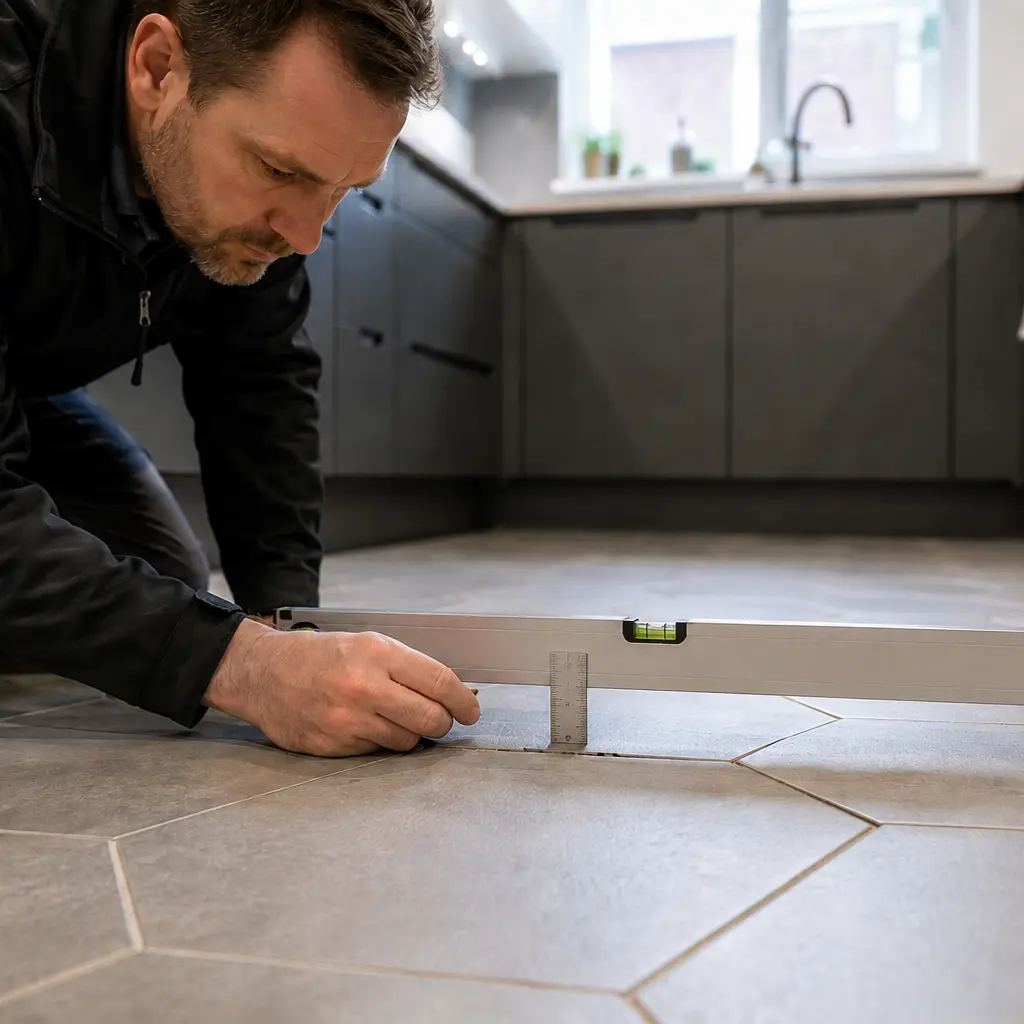
Uneven tiles are among the most obvious signs of poor tiling workmanship. Tile lippage occurs when adjacent tiles sit at different heights, creating an uneven surface. This often results from poor floor levelling, uneven walls, inadequate preparation, or incorrect tile alignment during installation.
Large-format tiles can be particularly challenging to install because even minor imperfections in the substrate become more noticeable across larger surfaces.
How Tile Lippage Affects Safety and Appearance
Aside from affecting appearance, tile lippage can make a surface less practical to use. Raised edges create an uneven walking surface and may become a trip hazard in busy areas such as hallways and kitchens.
From a visual perspective, uneven tile surfaces can disrupt the overall finish of a room. This is especially noticeable when natural light highlights differences in height between adjacent tiles.
Loose And Hollow Tiles
Signs of Poor Tile Bonding
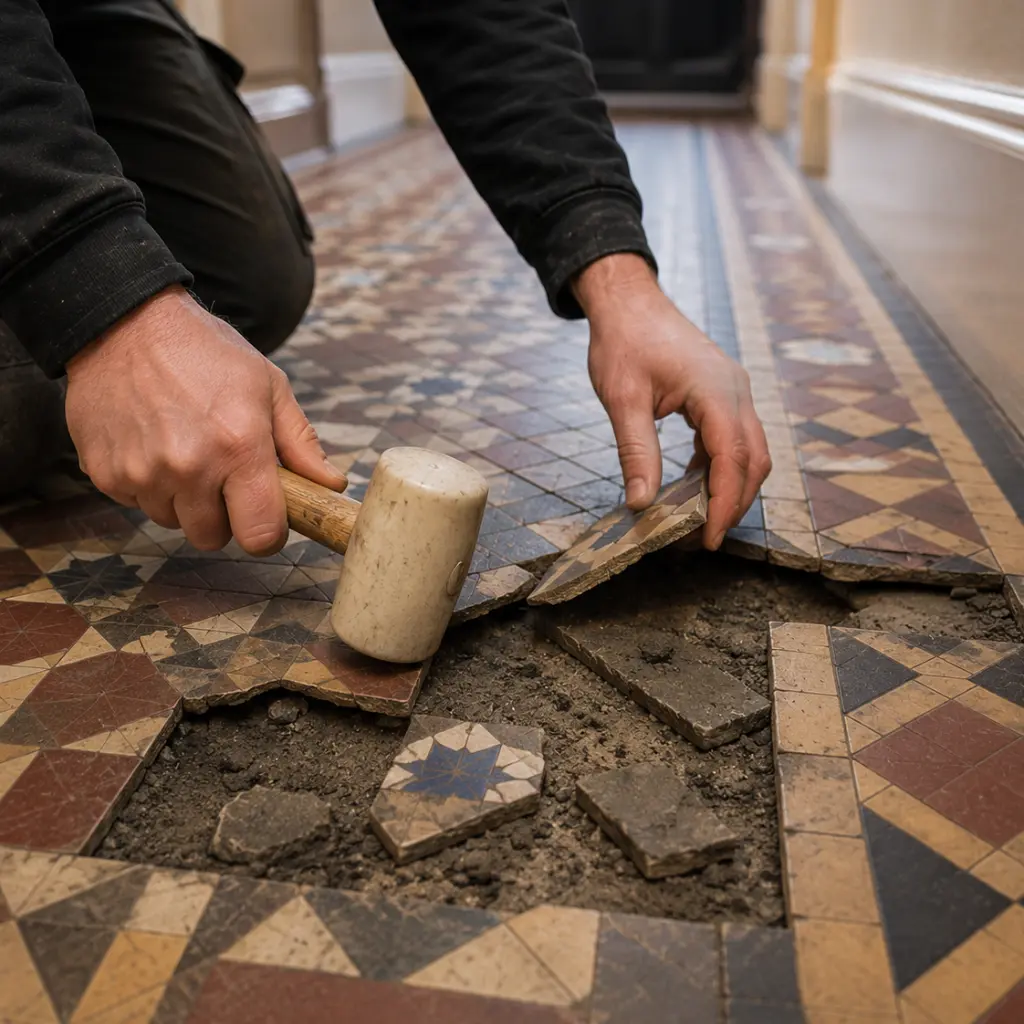
A properly tiled floor or wall should feel firm throughout. Areas that sound hollow when tapped can indicate gaps beneath the tiles where support is lacking.
As the bond weakens, tiles may begin to shift slightly or lift at the edges. Left untreated, these small defects can spread across a wider area and lead to more extensive repairs.
Common Adhesive Application Mistakes
Incorrect adhesive application remains one of the leading causes of tile installation problems. When adhesive is applied unevenly or fails to achieve full coverage, unsupported areas can develop beneath the tiles.
Over time, these voids may lead to hollow-sounding tiles, movement underfoot, or sections beginning to lift away from the substrate. Proper adhesive selection and coverage are essential for long-term stability.
Cracked Tiles and Grout
Tile Cracking Causes
Tiles rarely crack without an underlying reason. Structural settlement, movement within the subfloor, or inadequate support can all place pressure on the tiled finish.
While isolated damage may be accidental, repeated cracking in the same area often points to an issue beneath the tiles that requires closer investigation.
When Grout Damage Indicates Installation Problems
Grout naturally experiences wear over time, but persistent cracking or separation should not be ignored. These issues often indicate movement within the tiled surface rather than a simple maintenance concern.
Uneven grout lines and inconsistent grout joints can also reveal shortcomings in the original installation. Where grout defects continue to reappear after repairs, further investigation is usually worthwhile.
Signs of Waterproofing Failure Behind Tiles
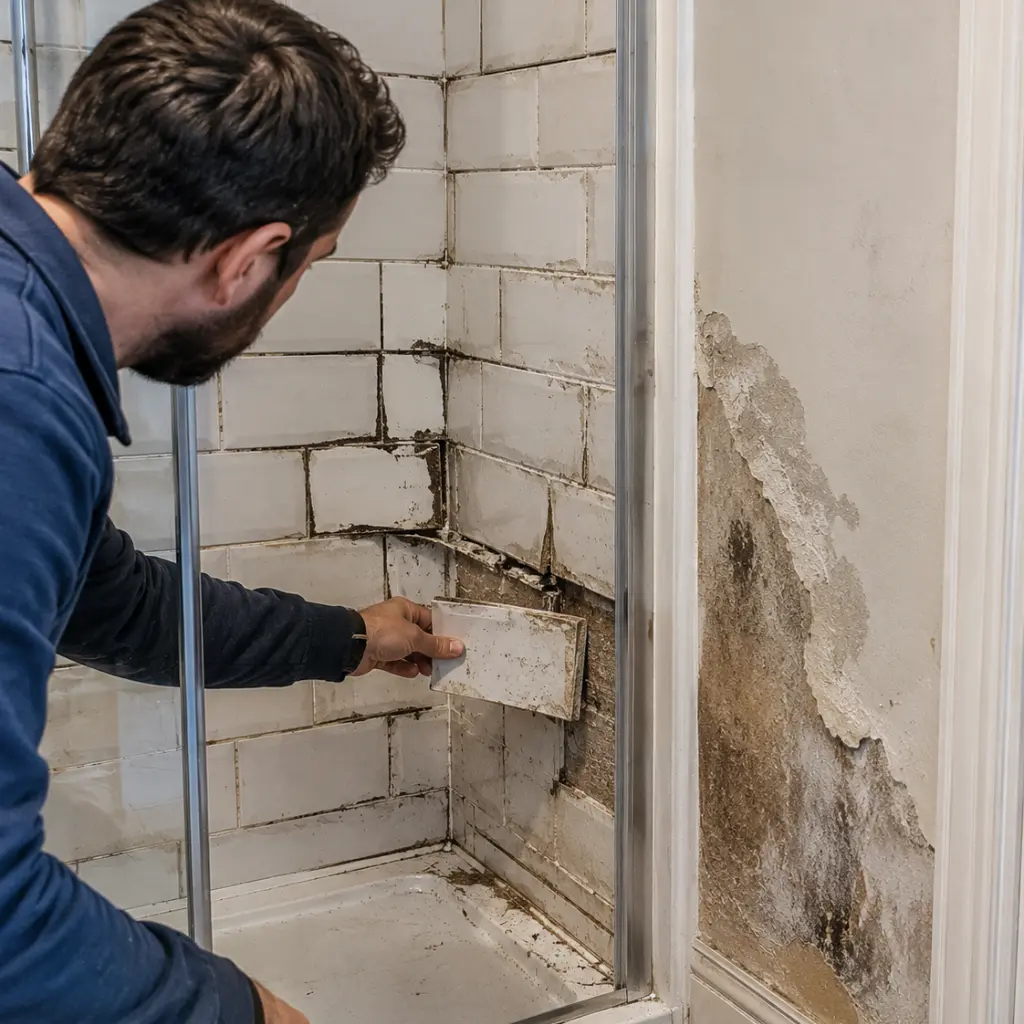
Waterproofing defects often remain concealed until visible symptoms begin to appear on or around the tiled surface. Common indicators include persistent damp patches, discoloured grout, staining, efflorescence, peeling paint on adjacent surfaces, and recurring mould growth. In some cases, tiles may begin to loosen as moisture affects the substrate behind them.
Identifying these symptoms early can help determine whether water is bypassing the waterproofing layer rather than entering through surface grout joints alone. A thorough inspection of the affected area is often required to establish the extent of moisture intrusion and confirm whether waterproofing failure is the underlying cause.
Poor Tile Finishing
Common Workmanship Defects
The overall appearance of a tiled surface often reveals the quality of workmanship involved. Poorly cut tiles, rough tile edge finishing, visible gaps, and inconsistent spacing can all indicate poor tiling workmanship.
These issues are often most noticeable around corners, pipe penetrations, doorways, and transitions between different surfaces.
Why Tile Layout Planning Matters
A successful tiled finish depends as much on planning as it does on installation. Careful positioning allows cuts, joints, and focal points to appear balanced throughout the space.
Without a clear layout strategy, even high-quality tiles can look poorly fitted. Consistent spacing and accurate pattern alignment contribute significantly to a professional finish.
Tiling Challenges in Older London Homes
Challenges in Victorian and Edwardian Homes
Many Victorian homes, Edwardian properties, and London terraces present unique challenges for tilers. Uneven walls, uneven floors, and decades of structural settlement can make installation more complex than in newer properties.
When these conditions are not properly addressed before tiling, warning signs such as uneven tiles, cracked grout, tile lippage, or loose tiles may develop over time.
Why Proper Preparation Is Essential
Older London properties rarely provide perfectly level surfaces for tiling. While some movement is natural in ageing buildings, defects that repeatedly appear in the same area may indicate that underlying preparation or support was insufficient before installation.
This version keeps the focus on signs of poor installation rather than becoming a detailed explanation of preparation methods.
Choosing Between Tile Repair and Replacement
Situations Suitable for Tile Repair
Some tile defects can be resolved without disturbing the entire installation. Localised issues such as a small number of loose tiles, isolated grout damage, or limited cracking are often suitable for targeted repairs.
Assessing the underlying cause is important before any repair work begins. Treating the symptom alone may not prevent the problem from returning.
Signs a Full Replacement May Be Necessary
More extensive issues may require tile replacement. Widespread debonding, repeated cracking, severe moisture damage, or extensive tile movement often indicate that the installation has failed beyond simple repair.
In these situations, removing the affected area and rebuilding it correctly may provide the most reliable long-term solution.
Preventing Future Tile Problems
Key Elements of Quality Workmanship
Long lasting tiled surfaces rely on far more than the visible finish. Accurate levelling, appropriate adhesive selection, reliable waterproofing, and correctly placed movement joints all contribute to performance.
When each stage is completed properly, the result is a tiled surface that remains stable, attractive, and easier to maintain over time.
The Value of Professional Tile Inspection
A detailed inspection helps identify whether defects are cosmetic or signs of a more significant installation issue. This can be particularly useful when problems appear gradually, and the cause is not immediately obvious.
Understanding the condition of the substrate, adhesive bond, and surrounding tiled areas allows informed decisions about repair or replacement, helping preserve the long-term performance of the installation.
Conclusion
Bad tile installation often reveals itself through subtle warning signs before major failure occurs. Uneven tiles, hollow-sounding areas, cracked grout, moisture-related defects, and poor finishing should never be dismissed as purely cosmetic concerns.
For homeowners, landlords, and property managers, early action can prevent more extensive remedial work later. If you suspect a tiled surface is not performing as it should, Abel Tiler can assess the condition of the installation and advise on suitable repair or replacement options across London.