Introduction
Basement conversions have become an increasingly practical option for London homeowners looking to create extra living space without extending outward or relocating. Across many older properties in the capital, unused cellars are now being transformed into modern family rooms, entertainment spaces, gyms, and guest accommodation. However, underground environments require careful material selection due to reduced airflow, colder temperatures, and ongoing exposure to condensation and water ingress.
Choosing suitable basement tiles and waterproof systems is one of the most effective ways to improve both durability and appearance in these spaces. Proper wall tiling helps protect structural surfaces while creating interiors that are easier to maintain throughout the year. Whether the property is a converted Victorian terrace or a newer basement extension, selecting the right wall finish can significantly improve comfort, reliability, and long term performance.
Why Wall Tiling Is a Practical Choice for Basement Spaces
Wall tiling performs particularly well in below ground environments because it creates a more resilient finish than painted plaster or wallpaper. In many basement conversions, walls experience changing temperatures and restricted ventilation, which can gradually affect decorative surfaces if unsuitable materials are used.
Professionally installed wall tiles for basement areas provide a protective barrier that supports easier maintenance and improved cleanliness. Tiled finishes are particularly useful in spaces where regular humidity fluctuations occur, including utility rooms, bathrooms, and entertainment areas.
Another advantage is their adaptability across different interior styles. Modern porcelain finishes, textured stone effect tiles, and large format wall panels can all help transform older basement rooms into brighter and more contemporary living environments.
Common Basement Conditions That Affect Wall Finishes
Basements across London often contain older brickwork and foundations that were never designed for modern living use, which can leave underground walls more vulnerable to moisture penetration and surface deterioration over time. Heavy rainfall and ageing drainage systems may also contribute to damp conditions that affect decorative wall finishes.
Underground airflow is especially restricted in cellars and below ground rooms, allowing cooler surfaces to hold condensation for longer periods. During refurbishment work, uneven masonry, damaged plaster, and unstable wall surfaces often require careful preparation before tiling can begin properly.
Selecting Suitable Basement Wall Tiles
Choosing the right tile material is an important part of any basement design and build project. Underground spaces often experience higher humidity levels, cooler temperatures, and reduced airflow compared with upper floors, so tile selection should focus on moisture resistance, durability, and long term stability within these conditions.
Porcelain Tiles
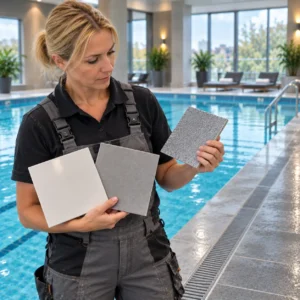
Porcelain tiles are commonly used in basement conversions because their dense structure makes them highly resistant to moisture absorption. In below ground environments where humidity levels can fluctuate throughout the year, porcelain surfaces remain stable and less vulnerable to water related damage than many alternative wall finishes.
They also cope well with temperature variation often found in basement spaces, particularly in older London properties where underground rooms can feel cooler during winter months. Their durable finish makes them especially suitable for basement bathrooms, utility rooms, gym areas, and other spaces exposed to regular condensation or damp conditions. Porcelain surfaces are also straightforward to maintain, which helps reduce long term upkeep in moisture prone interiors, including commercial bathroom tiles.
Ceramic Tiles
Ceramic basement wall tiles are generally more suitable for lower moisture basement environments such as home offices, cinema rooms, or occasional living spaces where humidity exposure is less severe. They provide a practical decorative finish while helping protect walls more effectively than painted plaster surfaces in enclosed underground rooms.
Because ceramic tiles are lighter and often more cost effective than porcelain, they are commonly used in larger basement renovation projects where maintaining a balance between appearance and budget is important.
Stone Effect Finishes
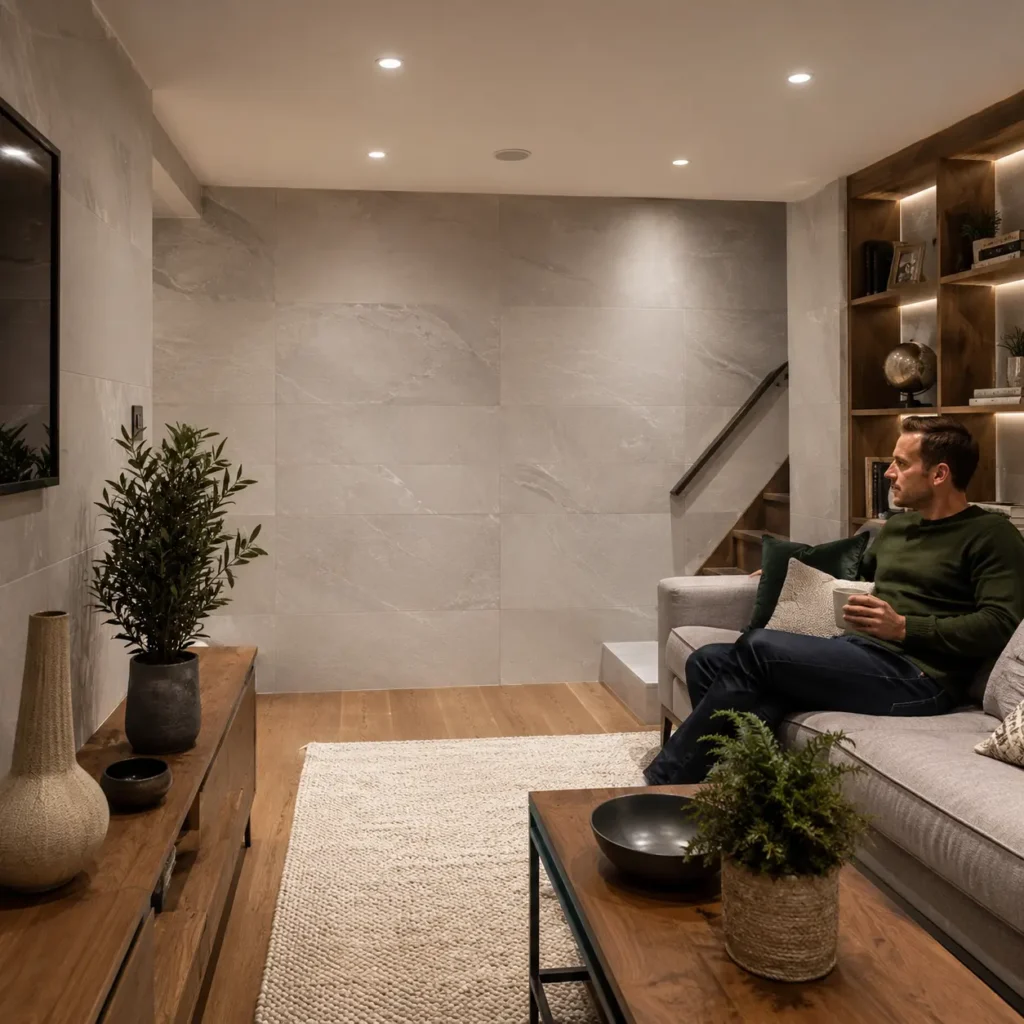
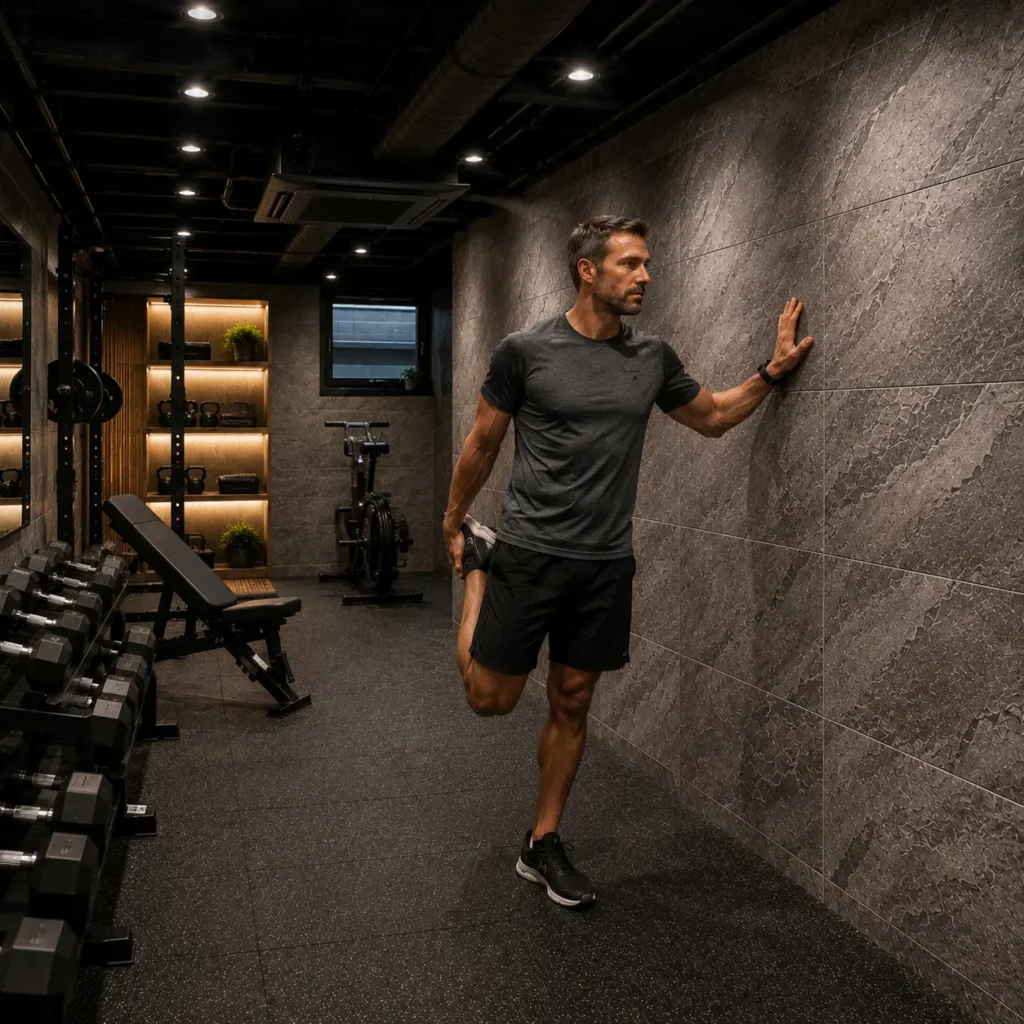
Stone effect wall tiles remain popular in basement conversions because they help create a warmer and more textured appearance within underground spaces that might otherwise feel cold or enclosed. Their surface finish can soften the overall atmosphere of basement interiors while still providing a durable wall covering suitable for changing moisture conditions.
These finishes work particularly well in London cellar conversions where homeowners want to introduce a more natural appearance without the additional maintenance associated with genuine stone surfaces.
Large Format Tiles
Large format tiling is frequently used in compact basement spaces because it helps narrower cellar rooms feel more open and less enclosed visually.
In underground environments exposed to regular humidity, larger tiles also reduce the number of grout joints requiring ongoing cleaning and maintenance over time.
Why Waterproofing Must Be Completed Before Tiling
Wall tiling should never be used to conceal existing structural damp issues within a basement conversion. Before decorative finishes are installed, the basement waterproofing system must already be operating correctly to prevent future water related damage, particularly in underground spaces where trapped condensation may eventually contribute to mould developing behind tiled wall surfaces.
Many modern basement projects use cavity drain membrane systems that direct water safely towards drainage channels and sump pump installations without allowing pressure to build against internal wall finishes. In some properties, cementitious tanking systems are also applied directly onto masonry surfaces to create a waterproof barrier before tiling work begins, particularly during basement excavation or structural refurbishment projects.
Even after waterproofing work has been completed, ventilation remains important within underground spaces because restricted airflow can allow condensation to linger around colder wall surfaces. Extractor systems, insulation improvements, and controlled airflow all help maintain a more stable and moisture resistant basement environment throughout the year.
Basement Tile Ideas for Different Living Spaces
Modern basement conversions are no longer limited to storage areas. Many London homeowners now use these spaces daily, which means the tiling design should reflect the intended purpose of the room.
Darker porcelain finishes paired with recessed lighting can help entertainment rooms feel more comfortable and visually balanced, particularly in basement cinema or gaming areas.
In family living spaces, lighter wall colours are often used to brighten areas with limited natural daylight. Neutral finishes can also help smaller basement lounges feel more open and welcoming.
Gym and wellness rooms usually require tiled surfaces that are simple to maintain after regular use. Smooth porcelain finishes can make cleaning easier while helping the room maintain a cleaner appearance over time.
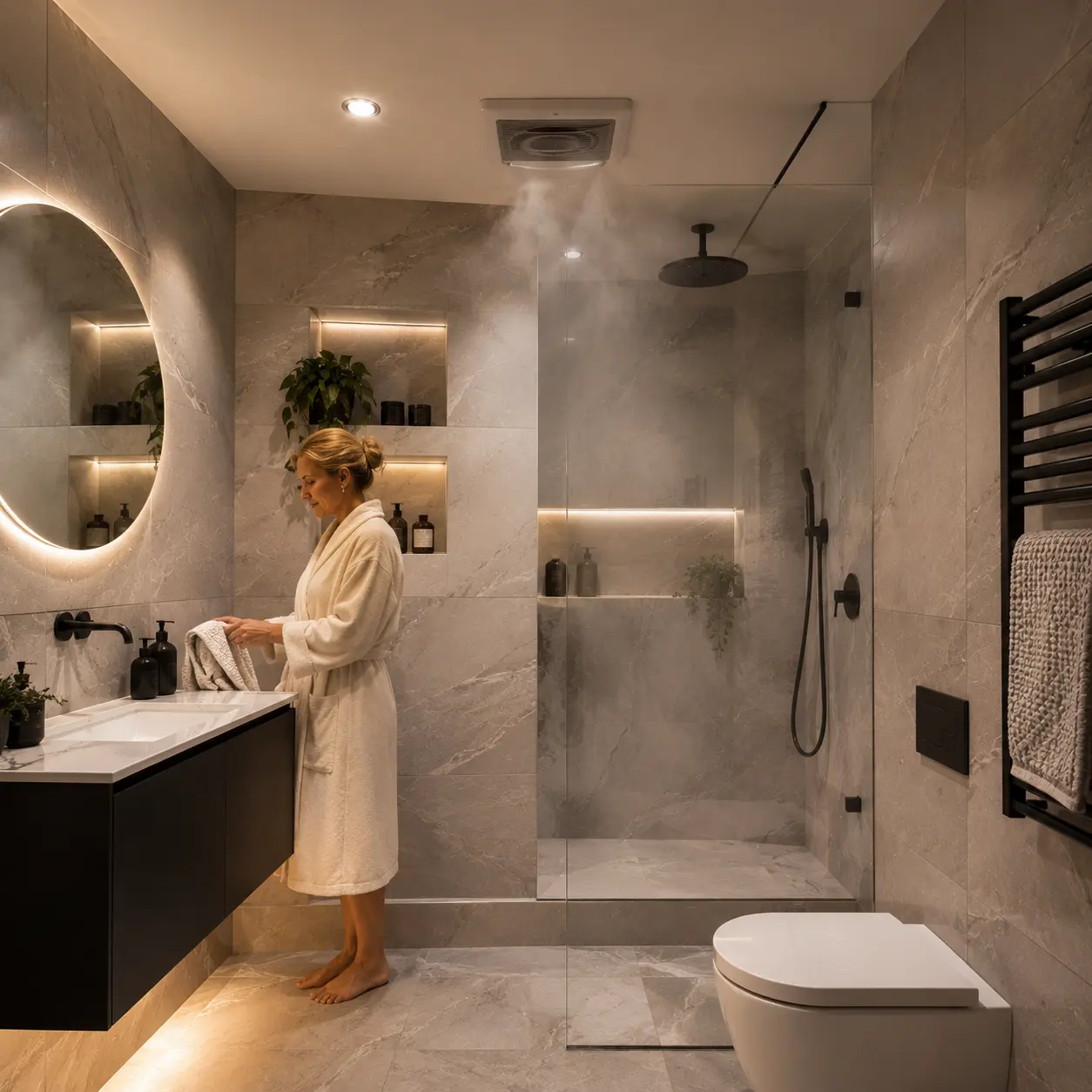
Fully tiled walls provide added protection in basement bathrooms where surfaces are regularly exposed to moisture around showers, sinks, and bathing areas.
Stone effect finishes can help guest accommodation feel warmer and more inviting without sacrificing practicality, making them a popular choice for basement bedrooms and occasional living spaces.
Design Considerations for Basement Wall Tiling
The success of basement tiling depends not only on material selection but also on layout, lighting, and finish choices.
- Lighter wall colours can help reflect available light more effectively in underground rooms, while gloss finishes may improve brightness in basements with limited natural daylight.
- Vertical tile layouts can make low ceiling basement spaces appear taller, whereas horizontal patterns may help narrow cellar rooms feel wider and more balanced.
- Matt finish tiles often create a softer and more contemporary appearance, while polished surfaces reflect additional light and help brighten enclosed interiors.
- Textured wall tiles can add warmth and depth to basement family rooms, entertainment areas, and lounge spaces without making the room feel overly decorative.
The Importance of Professional Installation
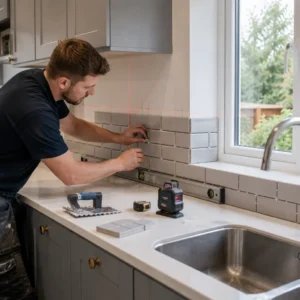
Basement tiling requires far more preparation than many standard wall tiling projects elsewhere in the property because underground spaces involve waterproofing integration, structural moisture control, and drainage considerations that must all work together correctly.
Poor preparation can eventually lead to loose tiles, cracked grout, trapped condensation, and premature surface deterioration. Using suitable adhesives, waterproof preparation systems, and moisture resistant materials is essential for long term reliability within below ground environments.
Basement installations also need to work alongside cavity drain membranes, tanking systems, ventilation, and drainage channels without disrupting their performance. This level of integration is often overlooked in general refurbishment work but remains essential for preventing future damp related problems behind tiled surfaces.
Conclusion
Creating a successful basement conversion in London involves much more than simply decorating an unused underground space. Proper preparation, waterproofing, ventilation, and material selection all contribute to the long term comfort and performance of the finished room.
Well installed wall tiling offers a practical and visually attractive solution for basement environments exposed to changing humidity and cooler conditions. Whether the space is being transformed into a family room, gym, bathroom, or entertainment area, choosing suitable tiled finishes can help improve durability and day to day usability. For homeowners planning a basement refurbishment or underground extension, Abel Tiler provides experienced wall tiling solutions tailored to the specific conditions commonly found in London properties.