Introduction
Bathrooms are exposed to more than just splashes and standing water. Every shower and bath creates heat, humidity, and condensation that can affect tiled surfaces over time. While direct water exposure is often considered during bathroom renovations, steam is frequently overlooked despite its potential impact on long-term performance.
For London property owners and managers, recognising the effects of steam on bathroom tiling can help reduce the risk of moisture related problems developing over time. Repeated exposure to humid conditions can influence grout, adhesives, and waterproofing systems hidden behind tiled surfaces. Paying attention to these factors can help support bathroom tile longevity and reduce the likelihood of avoidable maintenance issues in the future.
Why Steam Is Different from Direct Water Exposure
Understanding Steam and Condensation
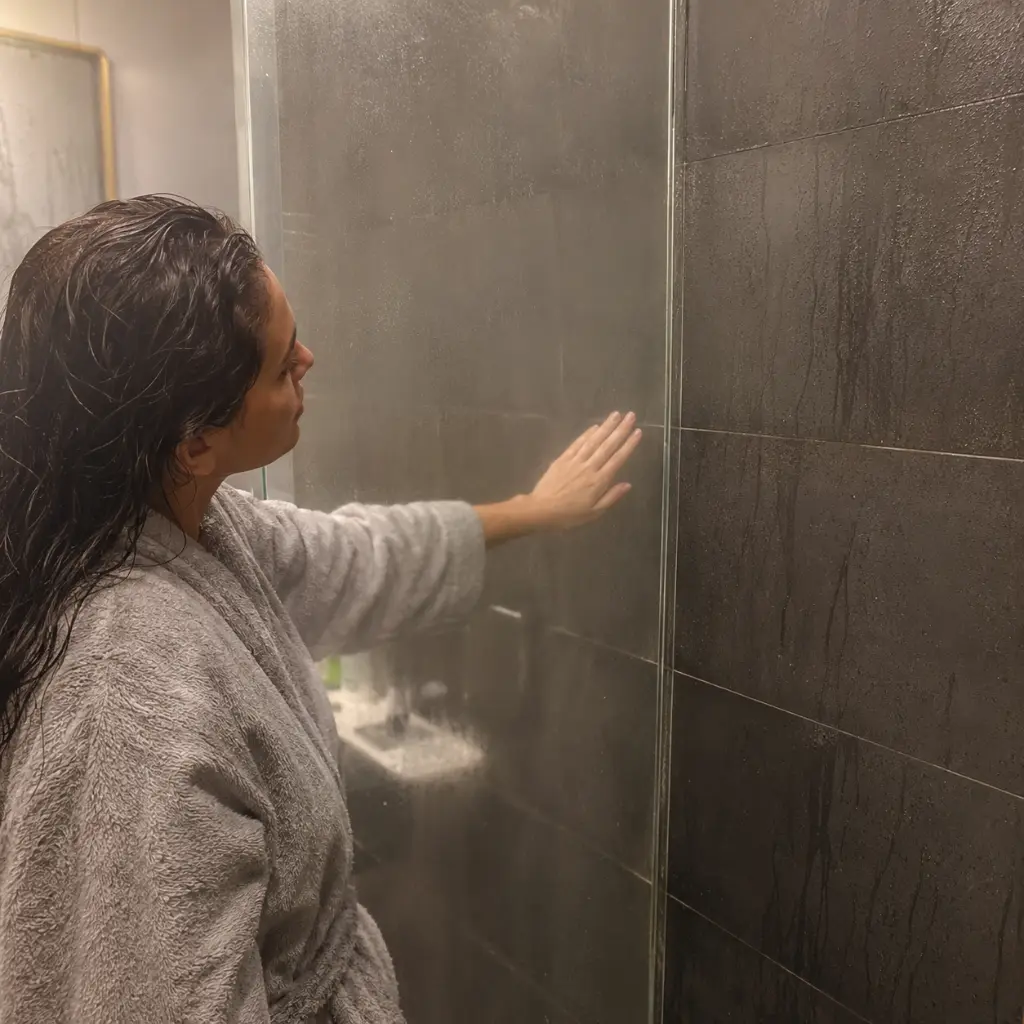
Water that lands directly on a tiled surface is usually visible and can be removed quickly. Steam behaves differently. Warm moisture spreads throughout the room, settling on walls, ceilings, grout lines, and areas that may not receive immediate attention.
In bathrooms with limited ventilation, steam can remain present long after a shower has ended. This prolonged exposure creates humid conditions that place continuous demands on bathroom tiling materials and surrounding surfaces.
Hidden Effects Behind Tiled Surfaces
Steam related issues often develop gradually rather than appearing immediately. Small amounts of moisture can work their way into grout joints, corners, and gaps around fixtures where they are less noticeable during day to day use.
When this occurs repeatedly, underlying materials may remain exposed to damp conditions for extended periods. Effective waterproofing helps reduce this risk and supports the overall integrity of the installation.
How Steam Causes Damage
Gradual Deterioration Over Time
Bathrooms experience repeated cycles of heating and cooling. As steam forms and dissipates, materials expand and contract slightly. While this process is normal, continual exposure can contribute to wear in certain areas.
Grout discolouration, grout deterioration, and ageing sealants are often among the first signs that a bathroom is struggling to cope with prolonged moisture exposure.Taking action when these signs first appear can help minimise the need for more extensive remedial work.
Areas Most Commonly Affected
Some parts of a bathroom are exposed to steam more frequently than others. Shower enclosures, bath surrounds, and wet room walls often experience the highest levels of humidity during daily use.
Attention should also be given to corners, movement joints, and connections between different materials, as these locations can be more susceptible to wear over time.
Signs of Hidden Moisture
Visible Warning Signs
Certain symptoms can indicate that moisture is accumulating where it should not be. Damp patches, persistent staining, efflorescence, and mould growth may all suggest that moisture is affecting areas behind the tiled finish.
Although these signs do not always indicate a major problem, they should not be ignored. Early investigation can help determine whether moisture protection systems are performing as intended.
How to Check for Moisture Behind Tiles
Homeowners often ask how to check for moisture behind tiles without removing the entire installation. While hidden moisture can be difficult to identify, there are several indicators worth monitoring.
Loose tiles, hollow-sounding areas, persistent damp odours, or sections that feel different from surrounding surfaces may justify a closer inspection. If concerns persist, a professional tile inspection can help identify the source of the problem.
The Importance of Waterproofing
Why Waterproofing Matters
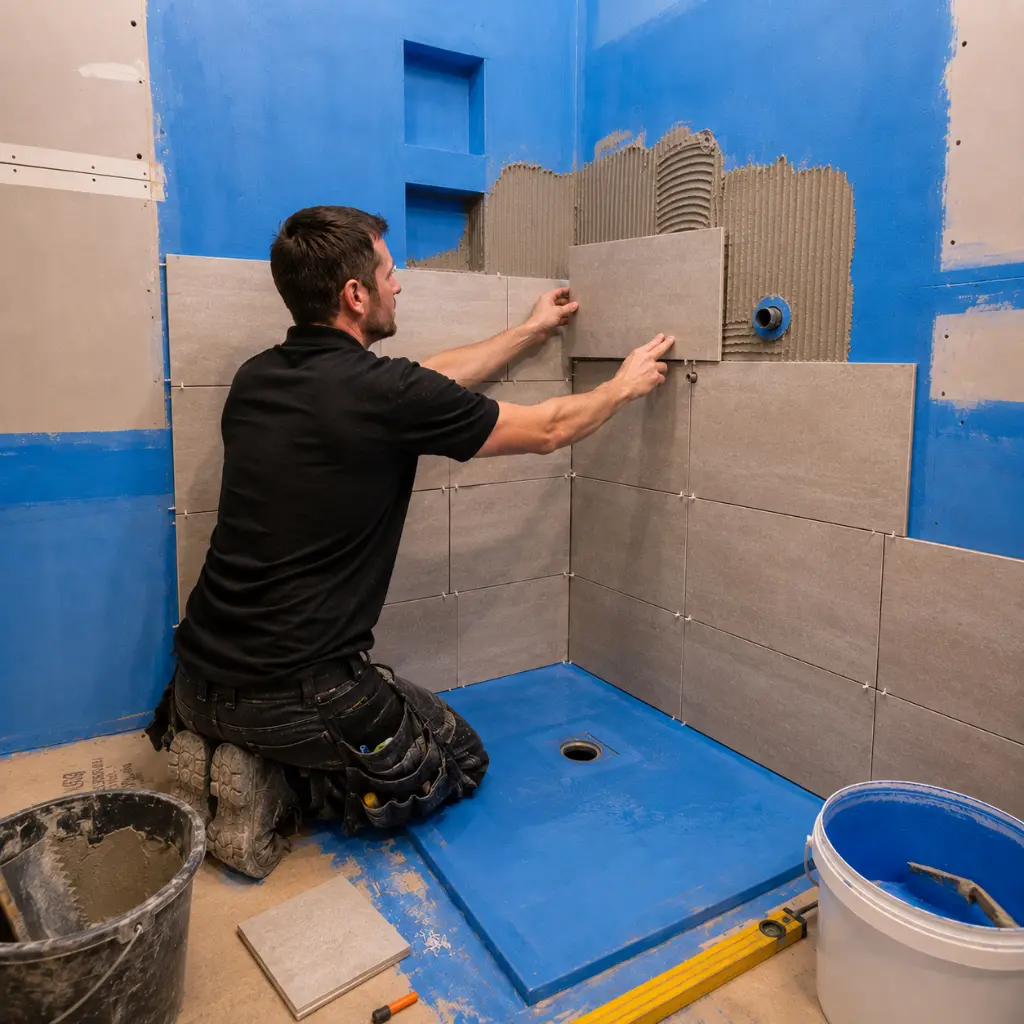
Tiles themselves are only one part of a bathroom’s moisture defence system. Effective waterproof bathroom tiling relies on proper preparation beneath the visible surface.
Waterproofing membranes, tanking systems, and suitable substrate preparation help prevent moisture from reaching underlying structures. These measures are particularly important in showers, wet rooms, and other areas exposed to frequent humidity.
Protecting Vulnerable Areas
Certain parts of a bathroom require additional protection. Shower enclosures, wet room flooring, and bath surrounds are regularly exposed to moisture and therefore benefit from carefully planned waterproofing systems.
Providing suitable protection in high moisture areas before tiling begins can help limit the chances of hidden moisture problems occurring later.
Best Tiles for Steamy Bathrooms
Porcelain, Ceramic, and Natural Stone
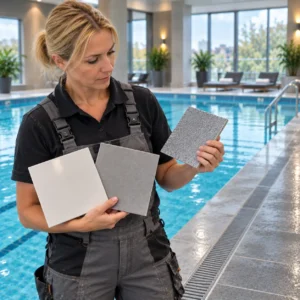
Not all tile materials respond to humid conditions in the same way. Porcelain tiles are often chosen for bathrooms because of their low porosity and strong moisture resistance. Ceramic tiles also remain a popular option, while natural stone tiles can provide distinctive visual appeal when properly specified and maintained. In some cases, larger format and natural stone wall tiles may require consideration during installation due to their weight. Selecting suitable materials contributes to overall bathroom tile longevity.
Material Characteristics That Matter
Appearance is only one consideration when selecting tiles for a bathroom. The material also needs to cope with an environment regularly exposed to heat, condensation, and fluctuating humidity levels.
Characteristics such as density, durability, and ease of maintenance can influence how well the tiled surface withstands everyday bathroom conditions.
Grout and Adhesives Matter
Grout Performance in Humid Conditions
Even the highest quality tiles rely on suitable grout to perform effectively. Grout joints help protect the installation while contributing to the overall appearance of the tiled surface.
Flexible grout, epoxy grout, and properly sealed grout systems can provide improved resistance to moisture exposure in bathrooms where humidity levels remain consistently high.
Adhesive Strength and Moisture Resistance
Tiles rely on more than grout alone to remain secure. The adhesive system behind the installation plays a key role in supporting the tiled surface throughout its lifespan.
Products designed for bathroom environments are better equipped to cope with changing conditions, helping maintain a reliable bond between the tile and substrate.
Ventilation and Moisture Control
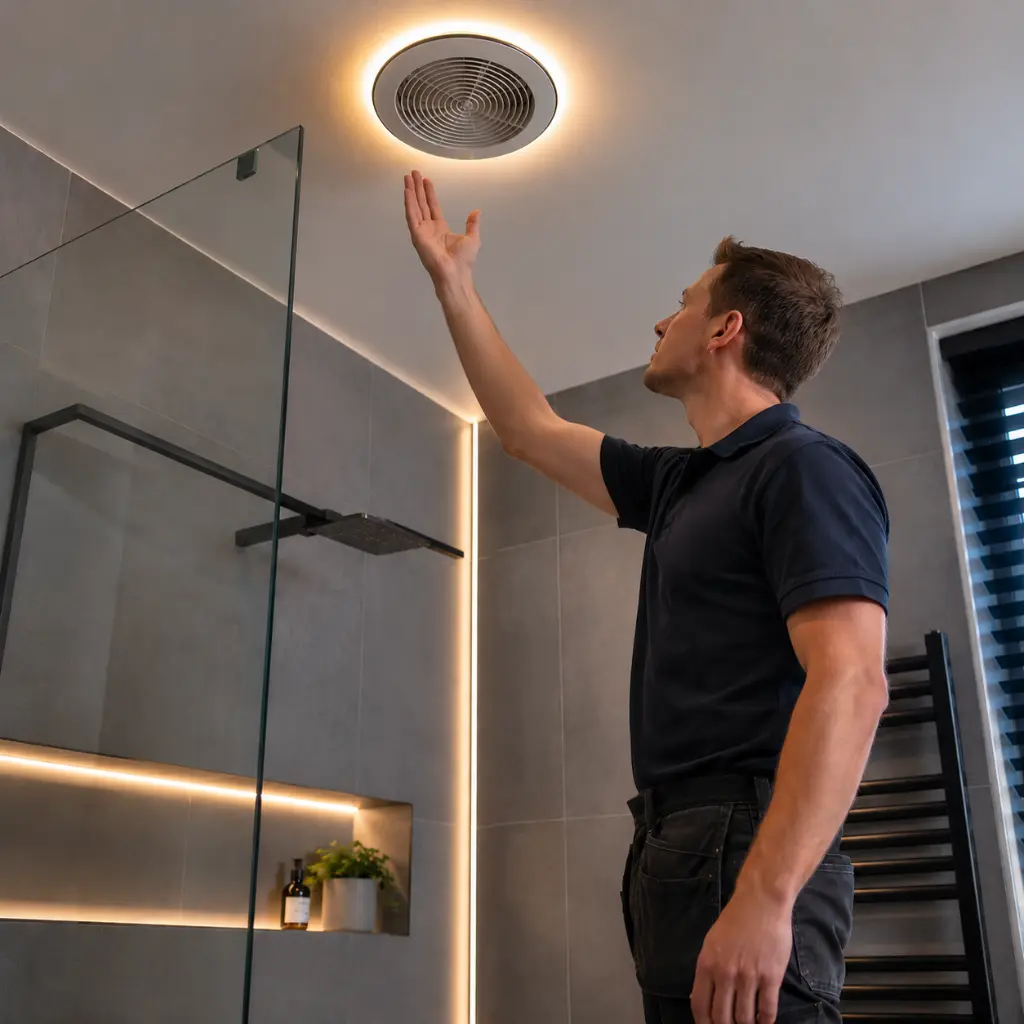
Managing steam levels within a bathroom often starts with effective ventilation. Extractor fans, opening windows, and improved air circulation all help reduce humidity levels after bathing.
Allowing moisture to escape more efficiently limits the amount of condensation settling on walls, floors, and tiled surfaces throughout the room.
Steam in Different Bathrooms
Family Bathrooms and En-Suites
Family bathrooms often experience frequent daily use, creating repeated cycles of steam and condensation. En suite bathrooms can face similar challenges, particularly where ventilation is limited.
The cumulative effect of regular moisture exposure makes ongoing maintenance and routine inspections particularly important in these spaces.
Wet Rooms and Luxury Bathrooms
Open plan wet rooms and larger bathroom layouts can allow steam to circulate more freely throughout the space. As a result, a greater proportion of the room may be exposed to humid conditions during everyday use.
Careful planning of waterproofing, ventilation, and material selection helps these bathrooms remain both practical and visually appealing over time.
Protecting Bathroom Tile Longevity
Simple Maintenance Practices
Routine cleaning helps prevent the build up of soap residue and surface deposits that can affect the appearance of tiled areas over time. It also provides an opportunity to spot minor changes before they become more noticeable.
Checking grout lines, sealants, and tile surfaces periodically can help identify developing concerns at an earlier stage.
Addressing Problems Early
Minor concerns rarely improve without attention. Discoloured grout, isolated loose tiles, or recurring damp patches are often easier to investigate and resolve before they affect a larger area.
Responding promptly to early warning signs can help preserve the condition of the installation and minimise future disruption.
Planning for Long-Term Performance
Combining Materials and Installation Quality
A bathroom designed to withstand regular steam exposure relies on several elements working together. Tile selection, waterproofing measures, ventilation, and installation methods all contribute to the final outcome.
Considering these factors as part of a complete system helps create a bathroom better suited to everyday use.
The Value of Professional Installation
A successful installation depends on every stage being properly coordinated, from preparation through to the final finish. Tile selection, waterproofing, fixing methods, and finishing details all influence how the completed surface performs over time.
For homeowners planning a bathroom renovation or refurbishment, obtaining professional guidance can help avoid problems that may not become visible until much later.
Conclusion
Steam is present in almost every bathroom, yet its long term influence is often underestimated. Repeated exposure to warm, damp conditions can affect both visible surfaces and the materials concealed behind them.
Creating a durable tiled bathroom involves more than choosing attractive finishes. Suitable waterproofing, effective ventilation, appropriate materials, and quality installation all play an important role in supporting lasting results. If you are planning a bathroom renovation in London, Abel Tiler can provide practical advice tailored to your project.