
Introduction
When choosing tiles for a home renovation project, most people focus on colour, texture, and overall design. However, tile size can have a significant impact on how easy a surface is to clean and maintain over time. From bathroom floors and kitchen splashbacks to hallways and living areas, the dimensions of a tile influence grout coverage, cleaning routines, and everyday upkeep.
For London homeowners, landlords, and property managers, selecting easy clean tiles often involves balancing design preferences with realistic maintenance expectations. Whether updating a flat, renovating a family home, or fitting out a new build property, expert guidance on tile selection can help create surfaces that remain attractive and easier to care for in the years ahead.
Why Tile Size Influences Everyday Maintenance
More Than a Design Choice
Tile size affects far more than the visual appearance of a room. The dimensions of each tile influence the number of grout joints required, how dirt accumulates across the surface, and the amount of routine cleaning needed to keep the area looking its best.
While style remains important, maintenance requirements should also be considered during tile selection. A layout that looks impressive on completion may require more attention than expected if cleaning considerations are overlooked.
How Tile Size Affects Surface Upkeep
The size of a tile influences how many joints are required across a wall or floor. Surfaces with numerous joints generally present more areas where dust, residue, and everyday grime can gather.
Maintenance requirements are therefore shaped not only by the tile itself but also by the amount of grout incorporated into the design. This is one reason tile dimensions are worth considering alongside style and layout.
Grout Lines and Cleaning Effort
Why Grout Often Requires the Most Attention
In many tiled areas, grout requires more maintenance than the tiles themselves. Unlike the smooth tile surface, grout joints can trap dirt, soap residue, cooking splashes, and everyday debris.
Over time, visible grout lines may become discoloured if regular cleaning is neglected. This is particularly noticeable in bathrooms, kitchens, and entrance areas where moisture and foot traffic are common.
Large Tiles and Reduced Grout Coverage
One of the main reasons large-format tiles are associated with easier maintenance is the reduction in grout joints. Fewer grout lines mean fewer areas that require detailed cleaning.
This can create a cleaner visual appearance while also simplifying routine upkeep. In larger spaces, reduced grout coverage often contributes to a more seamless flooring finish.
Large Tiles and Easy Cleaning
Benefits of Large Format Tiles
Large format porcelain tiles, slab tiles, and oversized formats have become increasingly popular in London renovation projects. Alongside their modern appearance, they offer practical advantages that appeal to many homeowners.
Because a larger area is covered with each tile, there are fewer interruptions across the surface. This can make routine sweeping, mopping, and general upkeep less time consuming in everyday use.
Suitable Areas for Larger Tiles
Larger tiles are frequently selected for hallways, living spaces, and open layouts because they create broader, less interrupted surfaces across the room. Their streamlined appearance often suits modern refurbishment projects where simplicity and practicality are equally important.
When Smaller Tiles Make Sense
Areas That Benefit from Smaller Formats
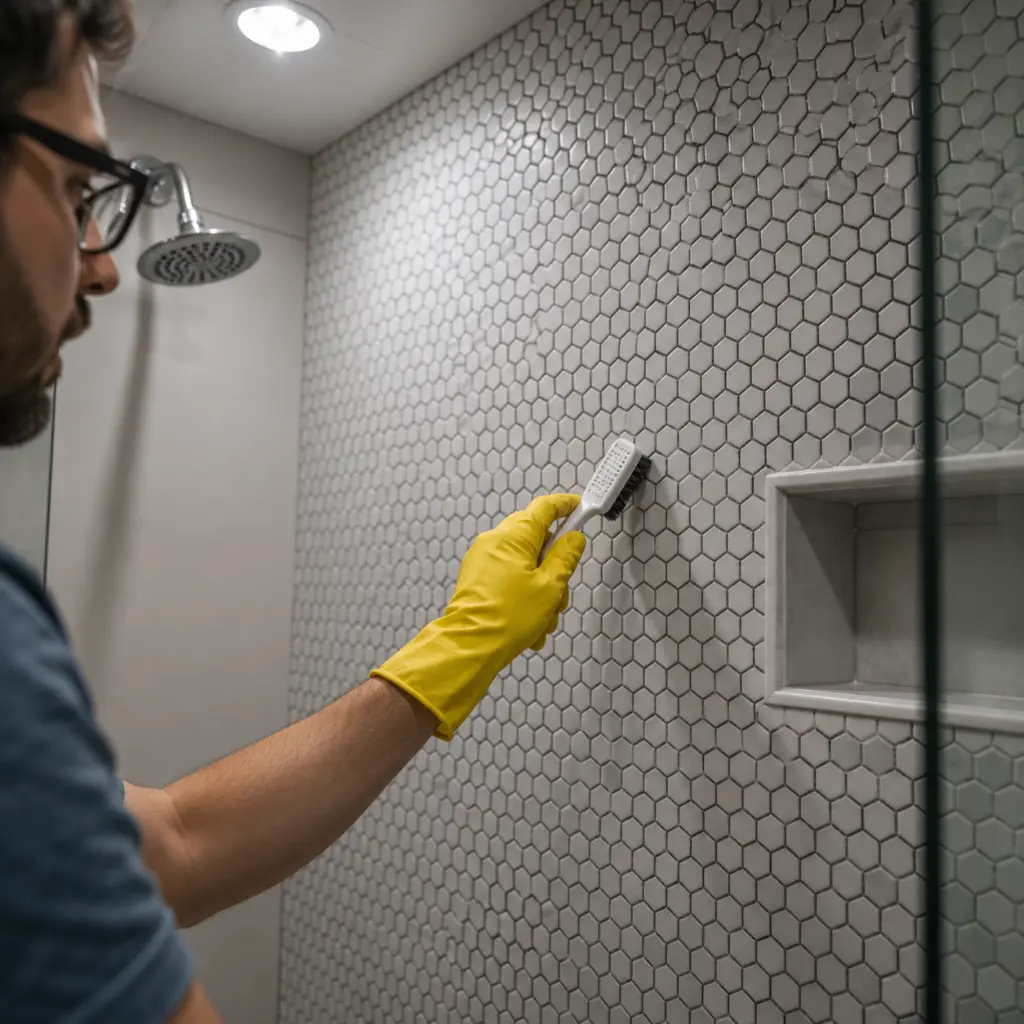
Smaller tiles continue to play an important role in many tiling projects. Shower floors, wet room flooring, decorative mosaics, and feature walls often benefit from smaller formats due to their flexibility and ability to follow detailed layouts.
These applications frequently prioritise functionality, drainage, or decorative impact rather than minimising grout joints.
Maintenance Considerations
Smaller formats naturally introduce more grout joints, which can increase the amount of detailed cleaning required from time to time.
That said, they continue to be a practical choice for locations where flexibility, decorative detail, or improved drainage are more important than reducing maintenance tasks.
Tile Size and Bathroom Maintenance
Bathroom Walls and Floors
Bathrooms combine moisture, regular cleaning, and frequent use within a relatively compact space. The tile size chosen for walls and floors can influence how much attention the room requires over time.
Larger formats are often selected to reduce the number of visible joints around showers and vanity areas, while smaller tiles may be preferred where additional detail or flexibility is required.
Moisture Management and Cleaning
Bathrooms are regularly exposed to water, condensation, and everyday toiletries. Over time, these conditions can leave residue on both tiles and grout joints.
Selecting an appropriate tile size can help simplify ongoing cleaning while supporting a finish that remains presentable with routine maintenance.
Kitchen Tile Sizes and Practical Upkeep
Floor Tiles in Busy Kitchens
Kitchen flooring must cope with everyday household activity, from food preparation and spillages to regular foot traffic. Practicality is therefore an important consideration when selecting tile sizes.
Many homeowners favour larger floor tiles because they create broader surfaces with fewer joints, helping simplify day to day cleaning without compromising durability.
Kitchen Splashbacks and Wall Tiles
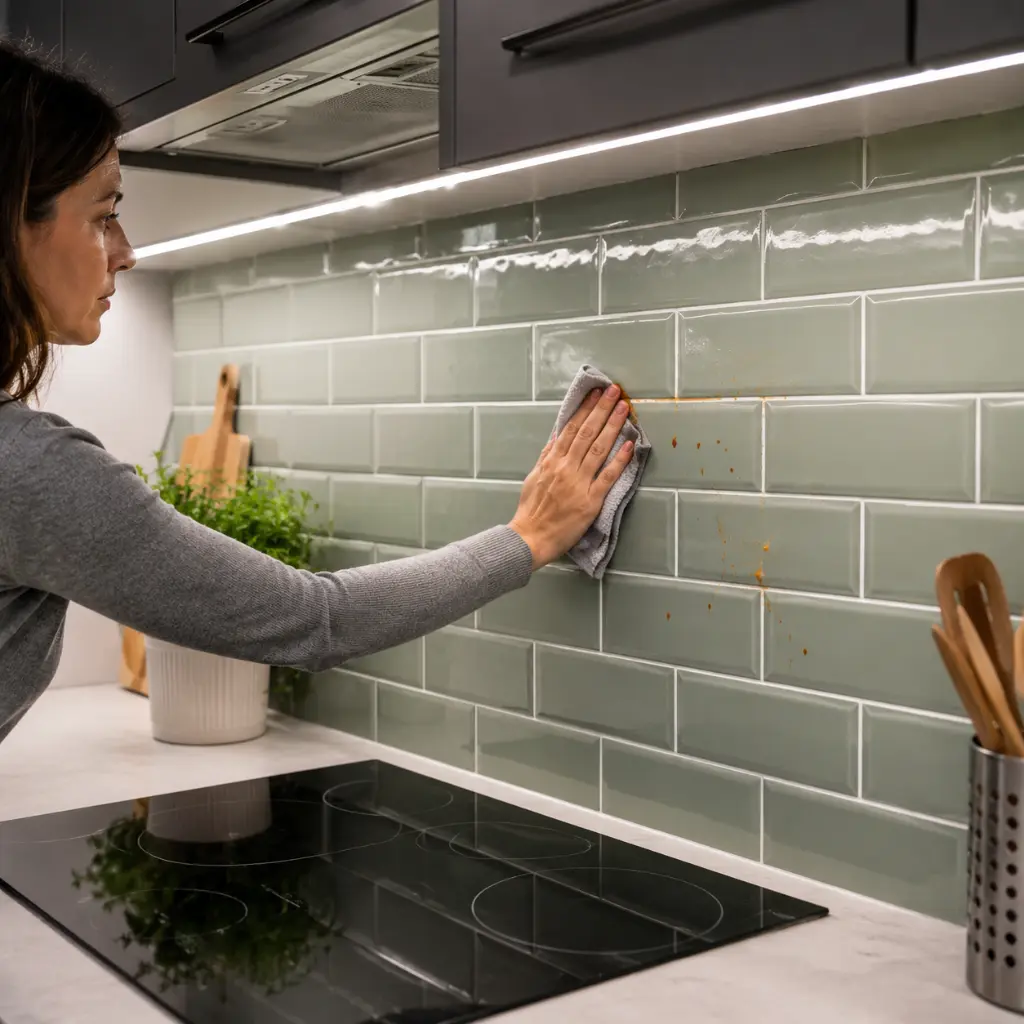
Kitchen wall tiles face constant exposure to cooking splashes, steam, and food preparation residue. For this reason, ease of cleaning often becomes an important factor when selecting tile sizes.
Some homeowners prefer larger tiles to minimise grout joints, while others favour smaller formats to introduce decorative features within the design.
Surface Finishes and Cleaning Requirements
Tile Size and Finish Working Together
Maintenance is influenced by more than tile dimensions alone. Surface finish also affects how easily marks, dust, and everyday residue can be removed.
Matt, satin, and polished finishes each offer different practical characteristics, making it worthwhile to consider both tile size and finish together when planning a project.
Choosing Easy Clean Tiles
When selecting easy clean tiles, it is helpful to consider the overall combination of size, finish, and intended use rather than focusing on one factor alone.
A well chosen specification can make routine upkeep more manageable while helping the surface retain its condition through everyday use.
Cleaning Considerations for Different Property Types
Period Properties and Renovations
Older London properties often present unique design considerations. Victorian houses and Edwardian homes may feature narrower rooms, original architectural details, or layouts that influence tile size selection.
The most effective approach is often one that respects the character of the property while remaining practical for modern living and maintenance needs.
Modern Homes and Open Spaces
Many flats and new build properties incorporate open layouts that suit larger tile formats particularly well. These designs often benefit from broader surfaces and a more continuous appearance from room to room.
Fewer visible interruptions can also help simplify maintenance, especially in busy living areas that experience regular use.
Balancing Appearance and Maintenance
Finding the Right Tile Size
There is no single tile size that suits every room. The best option depends on the intended use of the space, cleaning requirements, and the amount of grout maintenance homeowners are willing to undertake.
A family bathroom, a kitchen refurbishment, and a commercial flooring project may each require a different approach to achieve the desired balance between style and practicality.
Planning for Long-Term Upkeep
The most suitable tile choice is often one that balances visual appeal with realistic maintenance expectations. Considering future cleaning requirements at the planning stage can help avoid disappointment once the project is complete.
A practical approach to tile selection can help reduce maintenance demands throughout the continued service life of the installation.
Getting the Best Results from Installation
Why Installation Quality Still Matters
The benefits of any tile size can be reduced if the installation is poorly planned. Layout decisions, grout consistency, and accurate setting out all contribute to the finished result.
Careful installation not only improves appearance but can also make future cleaning and maintenance more straightforward.
Planning for Future Cleaning Requirements
Tile size can influence how much routine upkeep a surface requires after installation. Considering grout coverage, cleaning frequency, household usage, and maintenance expectations during the planning stage can help create a surface that remains easier to care for over time. Selecting a tile size that aligns with everyday cleaning habits often proves just as important as the visual design itself.
Conclusion
Tile size influences far more than appearance alone. It can affect cleaning routines, grout maintenance, and the overall effort required to keep a tiled surface looking its best.
Whether selecting large format tiles for a contemporary living space or smaller tiles for a detailed bathroom feature, it is worth considering how the surface will perform in everyday use. Abel Tiler helps homeowners across London choose practical tiling solutions suited to their property and lifestyle.