Introduction
Walk in showers have become an increasingly popular feature in bathroom renovations throughout London. Their open layout, practical nature, and ability to complement different property styles make them an attractive option for many homeowners. However, the overall result depends heavily on the quality and suitability of the tiled surfaces.
Well chosen walk in shower tiles influence far more than the finished look of the room. They help protect walls and floors from moisture, support easier maintenance, and create a sense of continuity throughout the space. For homeowners planning a renovation, professional bathroom tiling services in London can help ensure materials and layouts are chosen to suit both the shower area and the wider bathroom design.
Why Walk-In Showers Suit Modern Bathrooms
Creating a More Open Bathroom Layout
One reason modern walk-in showers continue to grow in popularity is their ability to create a more open feel within the bathroom. By reducing visual barriers and minimising bulky enclosures, they help maximise the sense of available space.
This approach is particularly beneficial in bathrooms where improving flow is a priority. Open plan shower designs can make even compact rooms feel less enclosed while contributing to a cleaner overall appearance.
Adapting to Different Property Types
Walk-in showers can be incorporated into a variety of bathroom layouts. They work equally well in en-suites, family bathrooms, and larger refurbishment projects.
Throughout London, walk-in showers are found in both traditional and modern properties, thanks to their flexibility across a range of room sizes and layouts.
The Role of Tiling in Walk-In Shower Design
More Than a Decorative Finish
Tiling performs several practical functions within a walk-in shower. While it contributes significantly to the appearance of the room, it also helps protect walls and floors from constant moisture exposure.
Shower wall tiling and shower floor tiles create protective surfaces that support water containment while contributing to the overall finish of the bathroom.
Supporting Everyday Bathroom Use
A shower area must cope with constant exposure to moisture, cleaning products, and regular foot traffic. Selecting durable wall and floor tiles helps ensure these surfaces remain reliable under everyday conditions.
The choice of material can also influence maintenance requirements, making it worthwhile to consider both practicality and aesthetics during the planning stage.
Creating Visual Continuity with Coordinated Tiling
Extending Tiles Across Floors and Walls
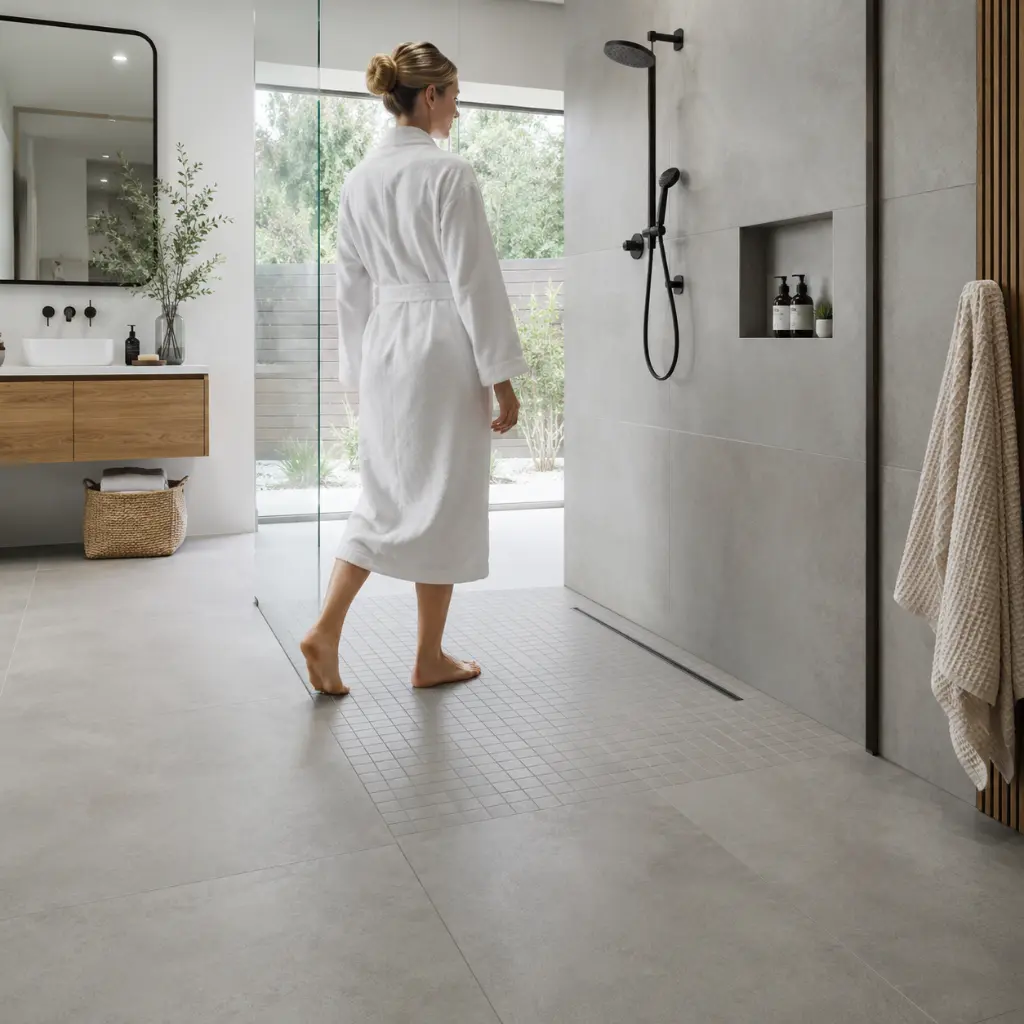
Using the same tile range across both floors and walls can create a more unified appearance. Coordinated tiling helps connect different areas of the bathroom and reduces abrupt visual changes.
This design approach is often used in contemporary bathrooms where simplicity and consistency are valued.
Making Bathrooms Feel Larger
The choice and placement of tiles can influence how open a bathroom feels. Using matching finishes and consistent grout lines helps create a smoother transition across surfaces, encouraging a greater sense of space. In smaller bathrooms, this can help reduce the feeling of confinement.
Choosing the Best Tiles for Walk-In Showers
Porcelain Tiles for Modern Bathrooms
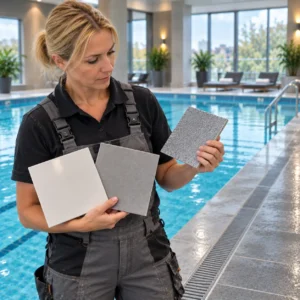
Porcelain tiles remain a popular choice for walk-in shower installations. Their dense composition, moisture resistance, and durability make them well-suited to wet environments.
They are available in a wide range of finishes, allowing homeowners to achieve both contemporary and traditional bathroom styles while maintaining practical performance.
Natural Stone and Decorative Options
Natural stone tiles offer distinctive textures and surface variation that can introduce character to a shower area. Stone effect finishes provide a similar appearance while offering additional design flexibility.
Marble effect tiles and carefully positioned feature sections are also commonly used to introduce contrast without overwhelming the wider scheme.
Slip-Resistant Flooring Considerations
Safety should remain a key consideration when selecting shower floor tiles. Surfaces that become slippery when wet may increase the risk of accidents.
Anti-slip tiles can provide additional grip underfoot, making them particularly useful in family bathrooms, accessible bathrooms, and high-use shower areas.
Walk-In Shower Tiling and Waterproofing
Protecting Walls and Floors
A tiled surface alone is not responsible for waterproofing a shower area. Effective shower waterproofing relies on properly installed waterproofing membranes and tanking systems beneath the tiles. Other installation details, including the provision of suitable expansion gaps where required, also contribute to the long term performance of the tiled surface. These measures help protect the underlying structure while supporting the long term performance of the installation.
Integrating Moisture Management into Shower Design
Walk-in showers are designed to handle regular water exposure as part of everyday use. Features such as floor gradients, drainage systems, shower screens, and coordinated wall finishes all contribute to effective water management within the shower area. When these elements work together, the shower can operate efficiently while maintaining a clean and cohesive appearance.
Design Features Enhanced by Tiling
Built-In Niches and Storage Areas
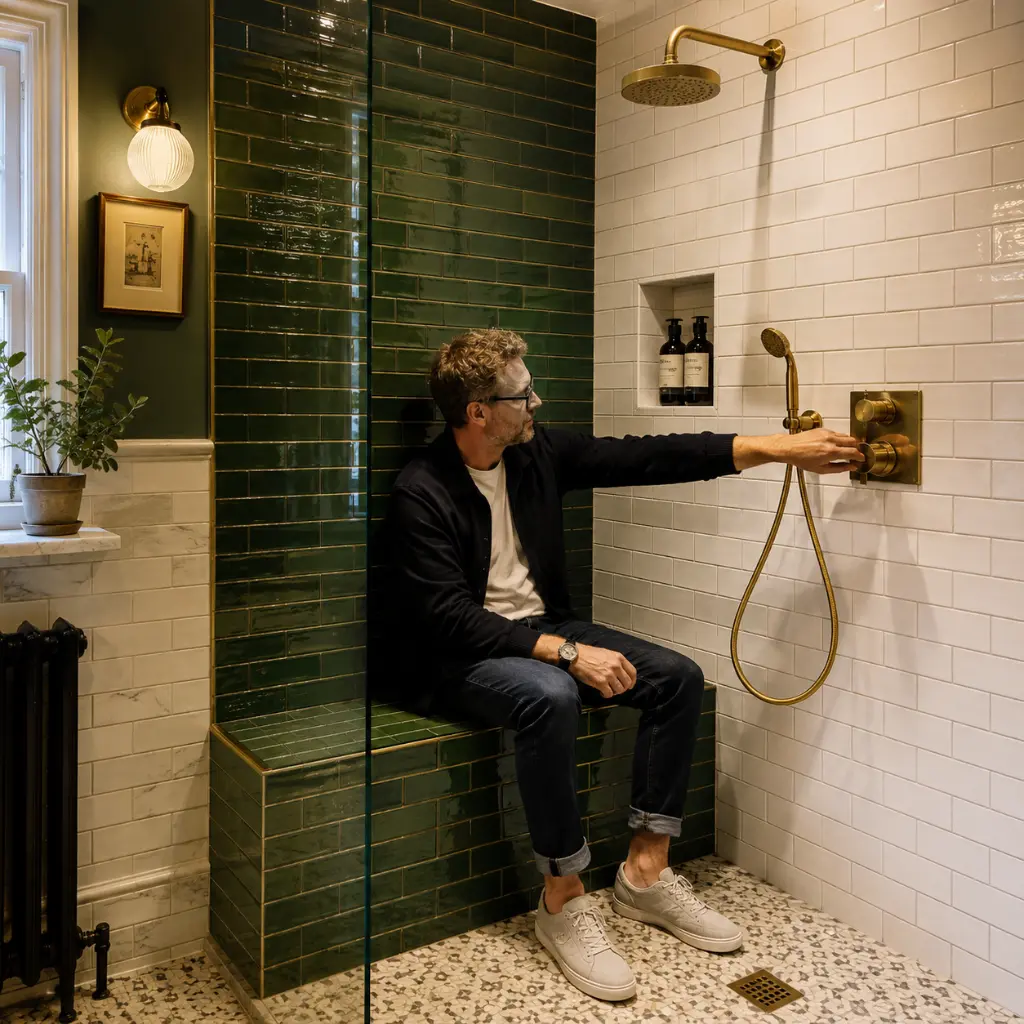
Walk-in shower tiling can be used to highlight practical design features such as recessed storage and built-in shower niches.
These additions provide convenient storage for toiletries while maintaining a clean and organised appearance within the shower area.
Benches, Screens, and Feature Areas
Built-in seating can improve comfort and accessibility, particularly within larger shower spaces. Tiling allows these features to blend seamlessly into the overall design.
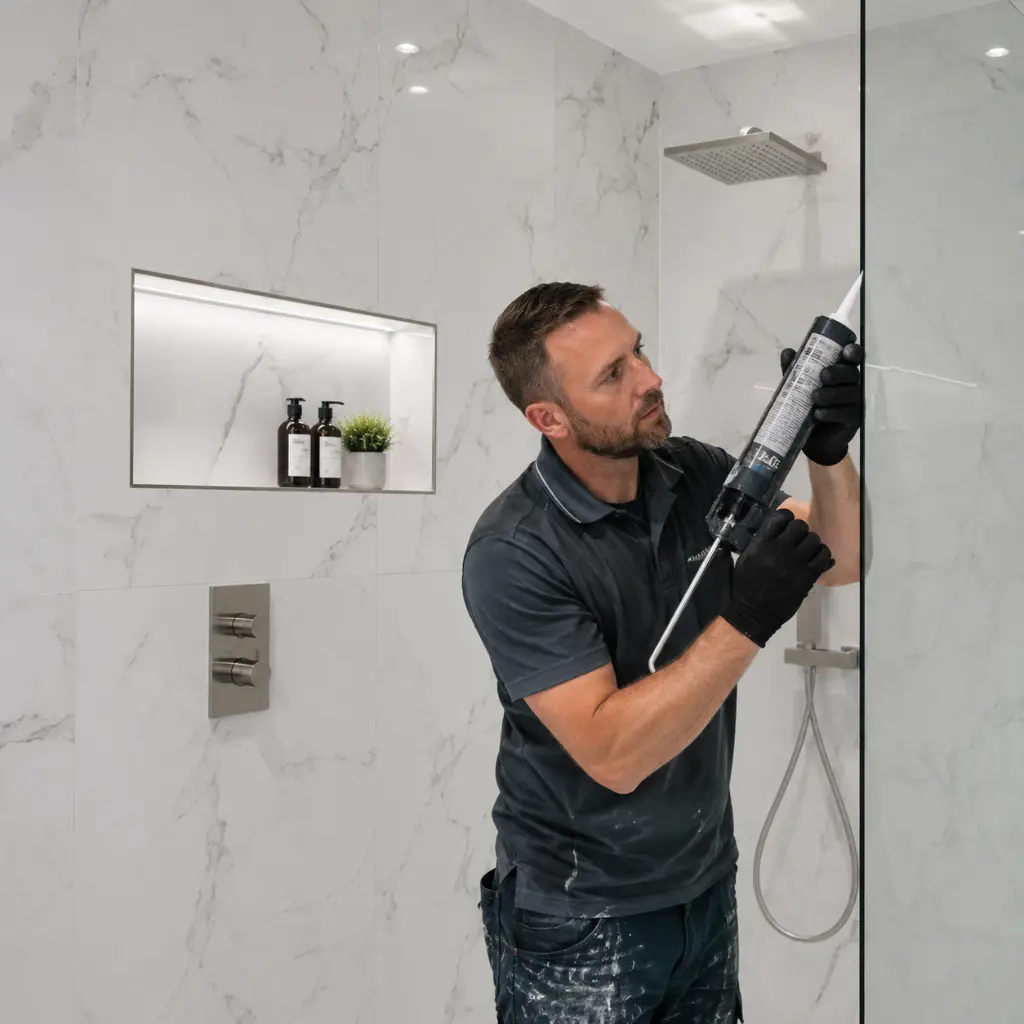
Frameless glass shower screens and decorative feature walls can also be enhanced through careful tile selection and coordinated finishes.
Tile Layout Choices That Influence Appearance
Large Format Tiles
Large-format tiles are commonly selected for modern walk-in showers because they reduce the number of visible grout joints across the surface.
The result is often a cleaner appearance that supports contemporary bathroom design while simplifying ongoing maintenance.
Patterned and Decorative Layouts
Decorative tile layouts can introduce individuality and create focal points within a walk-in shower. Used selectively, patterned surfaces add interest while maintaining balance across the room.
The most successful designs complement surrounding finishes rather than dominating the overall scheme.
Practical Benefits Beyond Appearance
Easier Cleaning and Maintenance
Walk-in shower tiles can simplify routine bathroom maintenance when suitable materials are selected. Surfaces with a simpler finish are often easier to maintain and can take less effort to keep clean.
Large-format tiles can also reduce the amount of grout maintenance required due to fewer grout joints being present.
Durability in High-Use Bathrooms
Bathrooms used by families often experience significant daily wear. Durable bathroom flooring and wall tiling materials help maintain their condition despite regular exposure to water and frequent use.
This reliability makes tiled walk-in showers a practical solution for both family bathrooms and en-suites.
Adapting Walk-In Showers to Different Layouts
Walk-in shower designs can be tailored to suit a wide range of bathroom sizes and configurations. Compact shower rooms, en-suites, and larger family bathrooms each present different opportunities for tile layouts, drainage positioning, and storage integration. Adapting the design to the available space helps create a more functional and balanced result.
Why Professional Planning Matters
Drainage and Floor Preparation
Successful walk-in shower installations depend on proper floor preparation and drainage planning. Floor falls must direct water efficiently towards the drainage system while maintaining a comfortable walking surface.
Linear drains, floor levelling, and substrate preparation all contribute to the performance of the finished shower.
Achieving a Consistent Finish
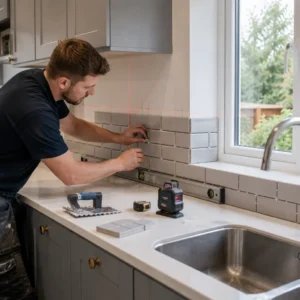
Careful planning before installation helps ensure grout joints, tile positioning, and transitions between surfaces are properly considered.
Professional tilers can identify potential layout challenges early, helping achieve a balanced finish that suits both the room dimensions and the intended design style.
Conclusion
Walk-in shower tiling contributes far more than appearance alone. It supports waterproofing, enhances durability, improves maintenance, and helps create a cohesive bathroom design. The choice of tiles, layout, and supporting systems all influence how well the finished shower performs.
From traditional homes to modern bathrooms, taking time to plan the project properly can contribute to a better overall result. For homeowners considering a walk-in shower project in London, Abel Tiler can provide practical guidance on tile selection, layout planning, and professional installation.