Introduction
Mould problems behind bathroom wall tiles are more common than many London homeowners realise. These spaces experience constant humidity, steam, and condensation throughout the year, particularly during colder months when ventilation becomes limited. In Victorian houses, terraced homes, converted flats, and even newer developments, hidden damp can gradually build up beneath tiled surfaces without obvious warning signs.
Although the tiles themselves may still appear clean, concealed moisture can slowly affect adhesives, grout, plaster, and surrounding wall structures. Over time, this may lead to bathroom tile mould, damaged finishes, unpleasant odours, and weakened surfaces. Preventing these issues early requires proper waterproofing, suitable materials, effective ventilation, and regular upkeep. Investing in professional wall tiling services in London can also help create a more durable and moisture resistant finish that performs reliably over time.
Why Concealed Damp Develops Behind Bathroom Tiles
Bathrooms naturally create warm and humid conditions every day. Steam from showers and baths settles onto tiled walls, ceilings, and corners before gradually soaking into vulnerable areas. If surfaces cannot dry effectively, sub surface moisture begins forming underneath the tiled finish.
Cracked grout is one of the most common entry points for water infiltration. As grout ages, repeated exposure to humidity and cleaning products weakens its structure. Small fractures allow trapped water to travel through joints and into the wall beneath. In many older bathrooms, this process develops gradually before becoming noticeable.
Failing silicone around shower trays, baths, and sinks also creates vulnerable gaps. Once sealant starts shrinking or lifting away from the wall, water begins reaching areas that should remain protected. Wet sections surrounding shower enclosures are particularly exposed because of regular contact with standing water and steam.
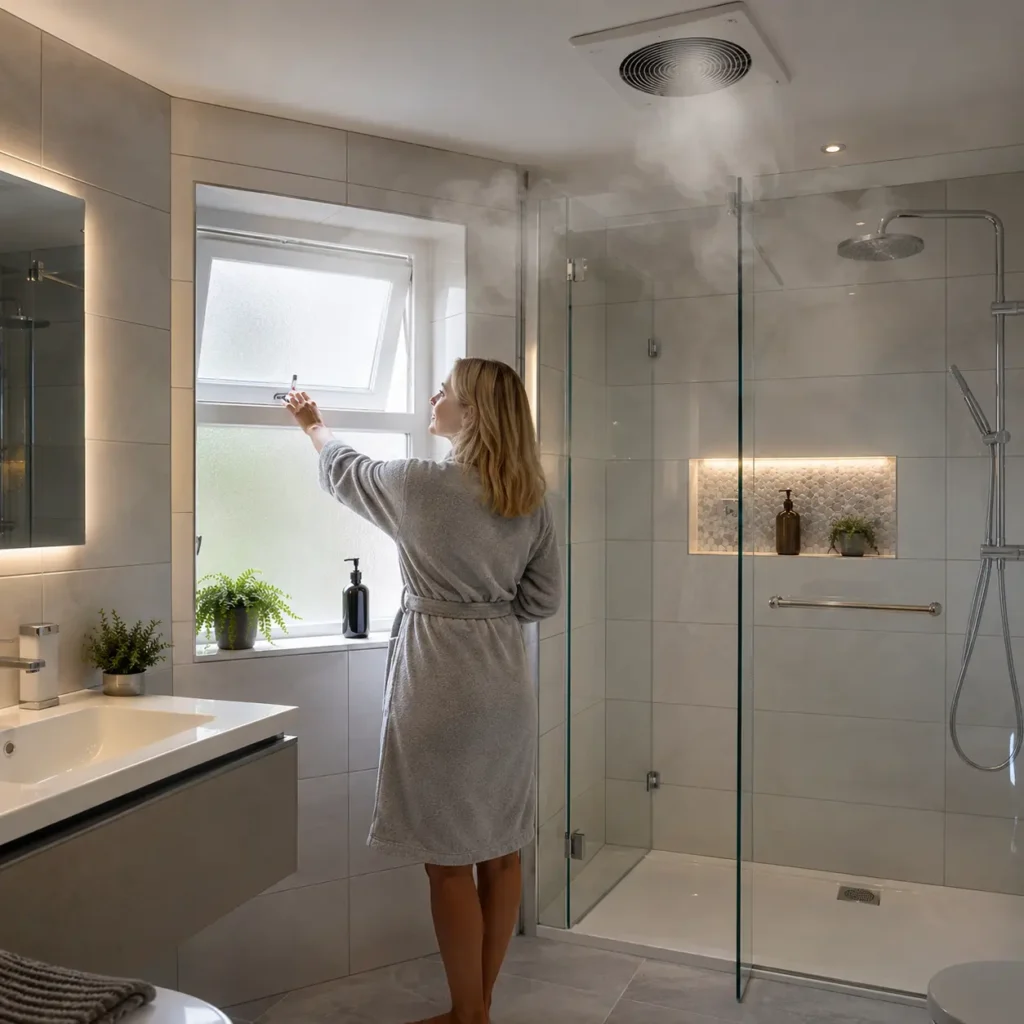
Ventilation issues further increase the risk of concealed fungal growth. Bathrooms without effective extraction systems often retain humid air long after bathing has finished. Condensation then settles around tiled surfaces, corners, and joints, creating conditions where mould can thrive unnoticed.
Poor installation methods can make the situation worse. Bathrooms fitted without suitable waterproof preparation may allow water accumulation to affect plasterboard, timber supports, and wall substrates much earlier than expected.
Warning Signs That Suggest Hidden Bathroom Damp
Sub surface moisture problems rarely appear immediately on visible surfaces. However, several warning signs can indicate that water ingress is already developing beneath tiled walls.
A persistent musty smell is often one of the earliest indicators. If the bathroom continues smelling damp despite regular cleaning and airflow, trapped moisture may already be affecting the wall behind the tiles.
Discoloured grout lines are another common sign. Areas that repeatedly darken or develop staining despite cleaning often indicate ongoing water penetration rather than surface dirt alone. In some cases, black staining begins spreading around tile edges and corners.
Tiles that feel unstable or sound hollow when tapped may suggest weakening adhesive beneath the surface. Continuous exposure to water gradually damages the bonding layer holding the tiles in place.
Peeling paint or damp patches outside the shower area can also point towards concealed water ingress. Moisture does not always remain directly behind the tiled section and may spread into neighbouring walls gradually.
Some bathrooms may also develop soft plaster or swelling around nearby surfaces. This usually indicates prolonged exposure to humid conditions behind the finished wall covering.
Why Waterproof Preparation Matters So Much
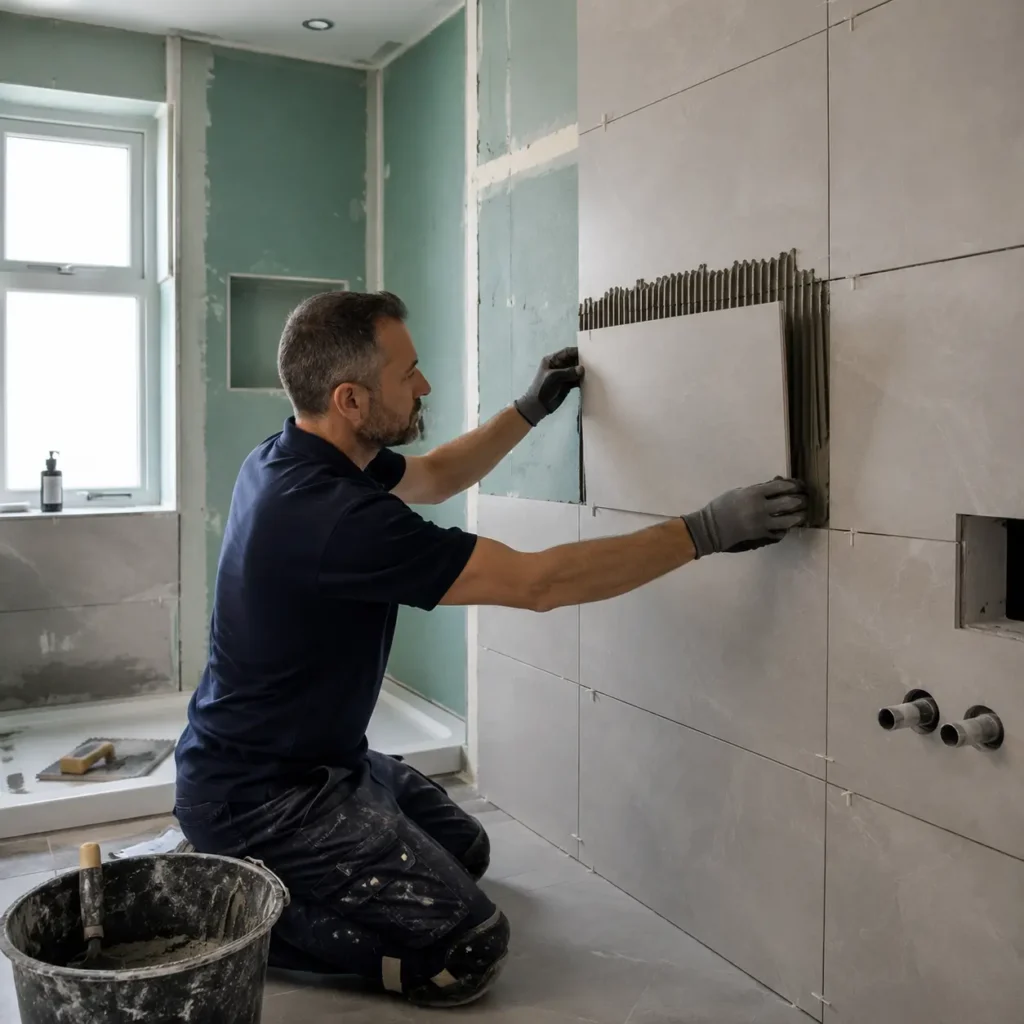
Effective waterproof preparation plays an important role in protecting tiled bathroom walls from long term moisture exposure. Without suitable protection beneath the tiled surface, water can gradually affect the wall structure behind the installation over time.
Moisture resistant preparation materials, waterproof membranes, and suitable sealants are especially important in shower areas, wet rooms, and family bathrooms where surfaces experience regular humidity and water contact. Bathrooms within older London properties may also require additional preparation if uneven walls or previous damp damage are present before tiling begins.
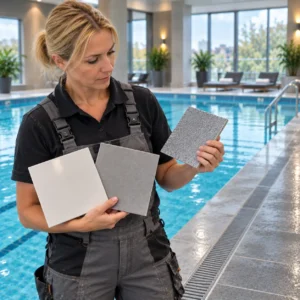
Porcelain bathroom wall tiles are often preferred in moisture prone areas because they absorb less water than more porous finishes and remain easier to maintain over time. This becomes particularly useful in basements and lower ground floor spaces where damp conditions are naturally more difficult to control.
The Importance of Ventilation and Airflow
Even a professionally waterproofed bathroom can experience moisture related problems if humid air regularly settles onto tiled surfaces. Condensation often develops around shower surrounds, grout joints, ceiling edges, and corners where moisture remains trapped for longer periods.
Bathrooms within converted flats and enclosed London properties are particularly vulnerable because restricted airflow allows damp conditions to build more quickly after daily use. Over time, this can affect grout condition, sealants, and wall finishes if surfaces do not dry properly.
Suitable ventilation helps reduce excess moisture around tiled areas and supports the long term condition of bathroom surfaces. In smaller homes, carefully planned wall tiling for flats alongside effective moisture control can help create a more practical and durable bathroom environment.
How Professional Tile Installation Reduces Future Problems
Quality tile installation involves much more than fixing tiles neatly onto a wall. The preparation beneath the visible surface largely determines how well the bathroom performs over time.
Poor workmanship can leave hidden gaps where water gradually penetrates behind the finished tiling. Inadequate adhesive coverage, poorly sealed corners, and rushed preparation all increase the likelihood of future damp related issues.
Wet areas such as shower surrounds require careful sealing around valves, pipe entries, and internal corners. These sections experience constant exposure to water and are often the first places where hidden moisture issues develop.
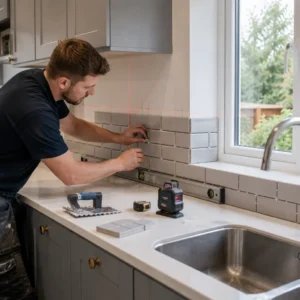
Tile selection can also influence long term maintenance requirements. Large format tiles reduce the number of grout joints across the wall, limiting areas where residue and moisture may collect. This often makes ongoing bathroom upkeep easier while improving the overall appearance.
In many older properties where slight structural movement occurs naturally, flexible adhesives and properly installed silicone joints help reduce cracking around tiled surfaces.
Practical Bathroom Maintenance Tips
Keeping up with routine bathroom care can help stop hidden damp issues from becoming more serious gradually. Minor signs of wear are usually much easier and less expensive to address before moisture starts affecting the wall beneath the tiles.
Grout joints should be checked from time to time for signs of crumbling, gaps, or surface damage. Even small openings can allow water to work its way behind tiled areas during daily use, especially around showers and baths.
It is also important to monitor sealant around sinks, shower trays, and bath edges. If the silicone starts lifting, splitting, or looking worn, replacing it early can help reduce the risk of trapped moisture and internal water damage.
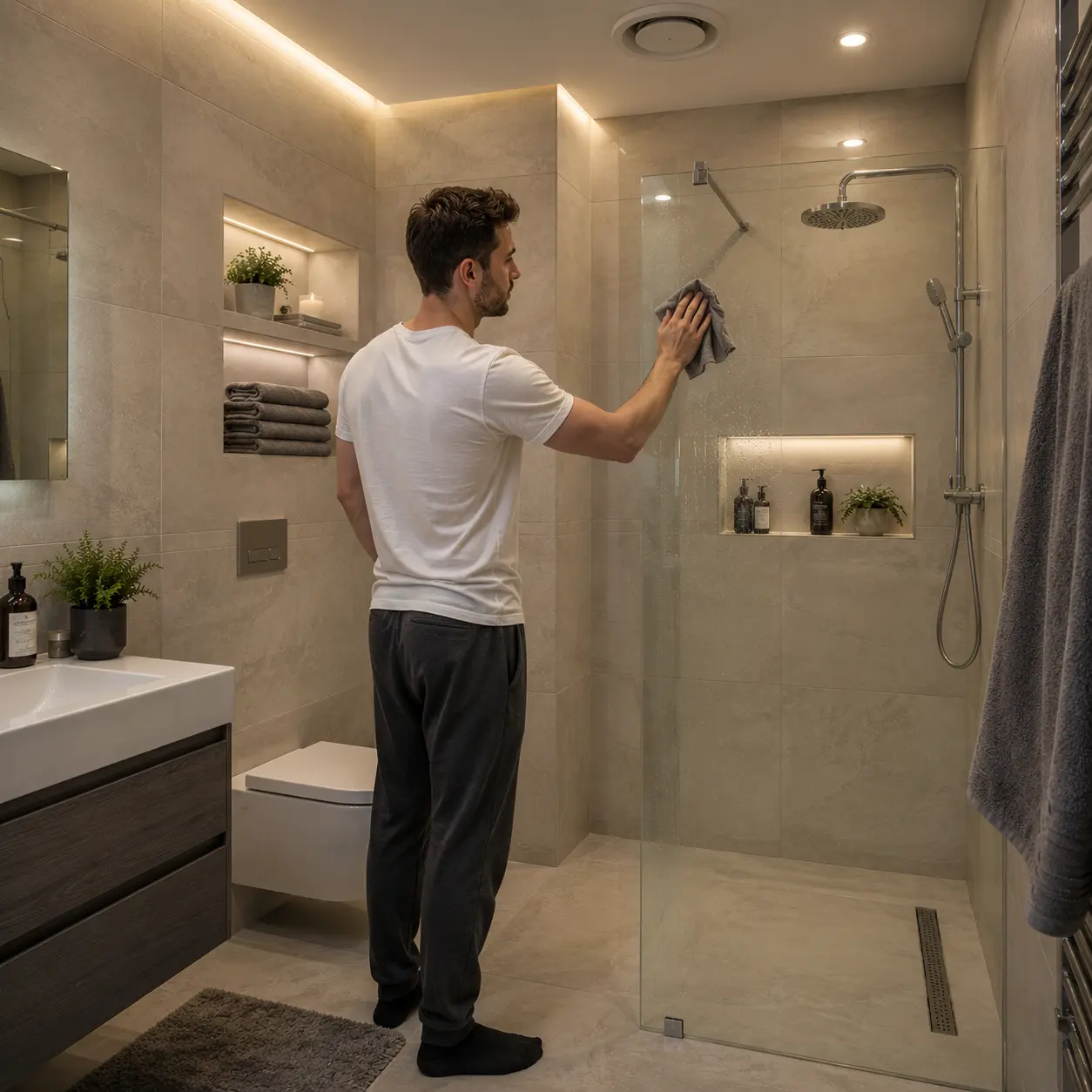
Bathroom cleaning routines should focus on keeping tiled surfaces dry and free from heavy soap residue. Excess residue can trap moisture around joints and corners, particularly within shower areas exposed to daily use.
Drying shower walls after use can also reduce excess surface moisture significantly. Simple habits such as improving airflow and removing standing water help maintain a healthier bathroom environment throughout the year.
When Professional Advice May Be Necessary
Some bathroom damp issues cannot be fully solved through cleaning or simple maintenance alone. If mould repeatedly returns after treatment or tiles begin loosening, the underlying cause may already extend beneath the surface.
Persistent odours, structural tile problems, or spreading damp patches often indicate deeper water ingress within the wall construction. In these situations, professional assessment can help determine whether waterproofing failure, leaking pipework, or deteriorating substrates are contributing to the problem.
Abel Tiler provides professional bathroom tiling and wall tiling services across London with a strong focus on careful preparation, durable installation, and long lasting moisture protection. Addressing early warning signs quickly can help prevent more extensive bathroom damage later.
Conclusion
Preventing hidden bathroom damp requires a combination of effective waterproofing, proper ventilation, quality installation, and regular maintenance. Moisture problems rarely develop overnight, but small weaknesses around grout, sealants, or airflow can gradually lead to more serious structural damage beneath tiled surfaces.
Careful preparation and suitable materials help create bathrooms that remain durable and resistant to damp conditions for many years. If you notice signs of concealed moisture or recurring bathroom mould, it may be worth contacting Abel Tiler before the issue becomes more extensive.