Introduction
Large format porcelain tiles, feature walls, and full height bathroom designs have become increasingly popular in London homes. While appearance often drives these choices, tile weight is an equally important factor during bathroom wall tiling projects. The size, thickness, and density of a tile can influence installation methods, wall preparation requirements, and long-term performance.
Understanding how heavy wall tiles affect an installation can help avoid unnecessary complications. From porcelain tile weight and substrate suitability to adhesive selection and moisture protection, careful planning plays a vital role in achieving a secure and durable finish.
Why Tile Weight Matters
More Than a Design Decision
The visual appeal of a tile is only part of the decision-making process. Larger and heavier tiles can create a striking appearance, but they also place greater demands on the wall surface supporting them.
Unlike floor tiles, wall tiles rely entirely on the strength of the substrate and adhesive system. This makes weight an important consideration during installation planning, particularly in bathrooms where moisture and humidity are constant factors.
Understanding Tile Density and Weight
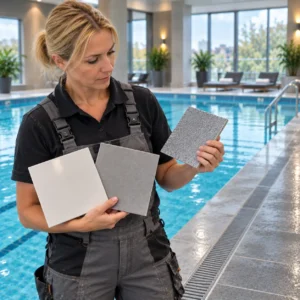
Tile weight is influenced by both thickness and material composition. Dense porcelain tiles generally weigh more than standard ceramic alternatives of the same size.
As tile dimensions increase, overall weight rises accordingly. A large-format porcelain wall tile may place considerably more load on a wall than a smaller decorative tile, requiring additional attention during preparation and installation.
Porcelain Tiles on Walls
Understanding Modern Porcelain Tiles
Most porcelain wall tiles can be installed successfully on suitable bathroom walls when the substrate, adhesive, and fixing method are correctly specified.
Porcelain wall tiles are commonly used throughout bathrooms because they provide durability, moisture resistance, and a wide range of design options. Modern manufacturing methods have also produced tiles that combine strength with manageable installation requirements.
When Weight Becomes a Consideration
Weight becomes a greater factor when working with larger tile formats, thicker products, or floor to ceiling wall layouts. As coverage increases, the demands placed on the supporting surface become more significant.
The condition of the wall should therefore be assessed carefully before installation. This is particularly relevant in older London properties where backgrounds may not always be perfectly level.
The Importance of Wall Preparation
Assessing the Existing Surface
Before installation begins, the existing wall must be assessed thoroughly. Plasterboard, cement backer boards, masonry walls, and previously tiled surfaces all present different requirements.
A surface that appears acceptable at first glance may not be suitable for supporting heavier wall tiles without additional preparation. Identifying weaknesses early helps avoid future issues.
Creating a Stable Installation Base
The condition of the wall has a direct impact on the success of the installation. Surfaces should be sound, level, and capable of supporting the selected tile without unnecessary movement.
In bathroom environments, suitable waterproofing and substrate preparation also help create a dependable base for the tiled finish and the materials behind it.
Choosing the Best Adhesive for Heavy Wall Tiles
Why Adhesive Selection Matters
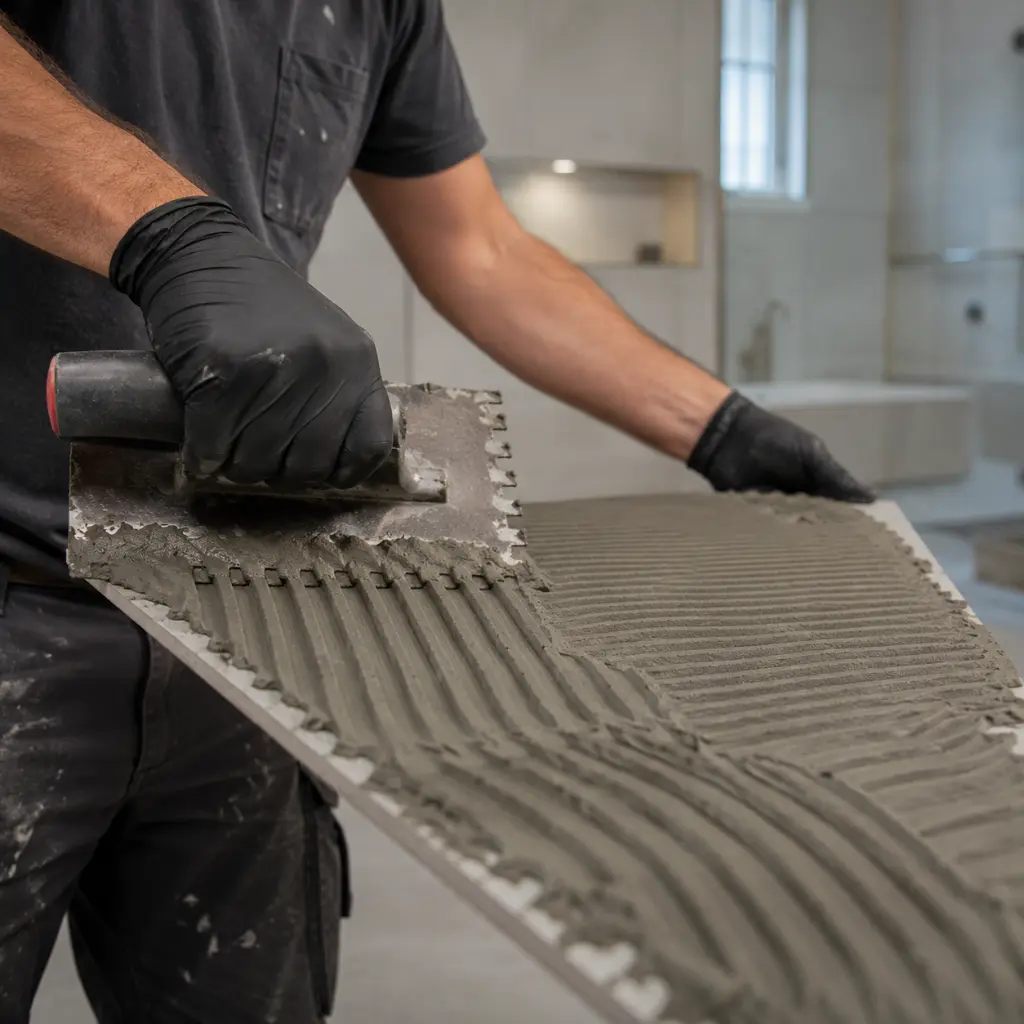
Adhesives play a central role in supporting heavier wall tiles. The product chosen must be capable of maintaining a secure bond while remaining suitable for the conditions typically found in bathrooms.
As tile size and weight increase, the demands placed on the adhesive system increase as well, making product selection an essential part of the specification process.
Flexible Adhesives and Bathroom Conditions
Bathrooms are exposed to fluctuating temperatures, regular humidity, and normal building movement. Flexible tile adhesives are often selected because they are better suited to these changing conditions.
Used alongside appropriate fixing methods, they help create a stable tiled surface capable of coping with everyday bathroom use.
Installation Challenges
Large Format Tiles and Handling
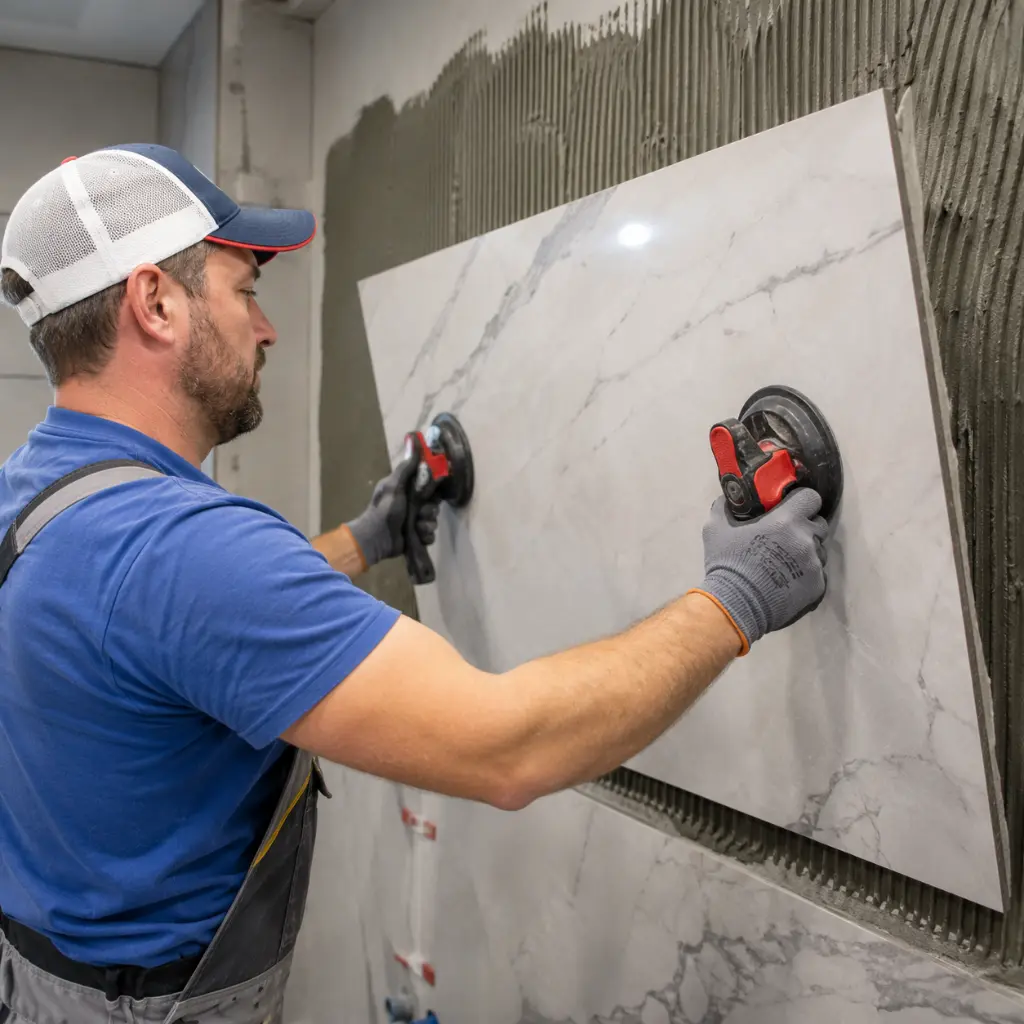
Larger tiles can transform the appearance of a bathroom, but they also require greater control during installation. Positioning, alignment, and support become increasingly important as dimensions increase.
Because fewer tiles cover a larger area, inconsistencies may be more noticeable, particularly across prominent feature walls.
Managing Alignment and Support
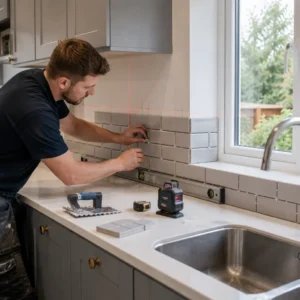
Installation aids such as levelling systems and spacers help maintain consistency throughout the tiling process. They also assist in keeping tiles correctly positioned while the adhesive sets.
Accurate spacing and uniform grout joints contribute significantly to the overall appearance, particularly when larger tiles are used.
Wall Height and Tile Weight Considerations
Full Height Bathroom Tiling
Floor-to-ceiling tiling remains a popular choice in contemporary bathrooms. Full-height installations can create visual continuity while helping protect walls from moisture exposure.
However, when heavy wall tiles are used across an entire elevation, wall condition and support requirements should be assessed carefully before installation begins.
Partial Height Installations
Half-wall tiling, three-quarter wall tiling, and bath surrounds often place fewer demands on the substrate simply because a smaller surface area is being covered.
These layouts can still provide excellent moisture protection while allowing greater flexibility in material selection and overall bathroom design.
Moisture and Durability
Environmental Conditions Bathrooms Create
Bathrooms expose wall surfaces to changing temperatures, regular moisture, and everyday use. These conditions influence the selection of suitable substrates, adhesives, and fixing systems for heavier wall tiles. While moisture protection remains important, the primary consideration is ensuring the wall structure is capable of supporting the chosen tile safely and reliably.
Protecting Wall Installations
Waterproofing measures help safeguard both the tiled surface and the structure behind it. Suitable backing materials, sealed joints, and moisture-resistant systems all contribute to a more resilient installation.
Together, these elements help bathroom walls withstand everyday exposure to steam, condensation, and water use.
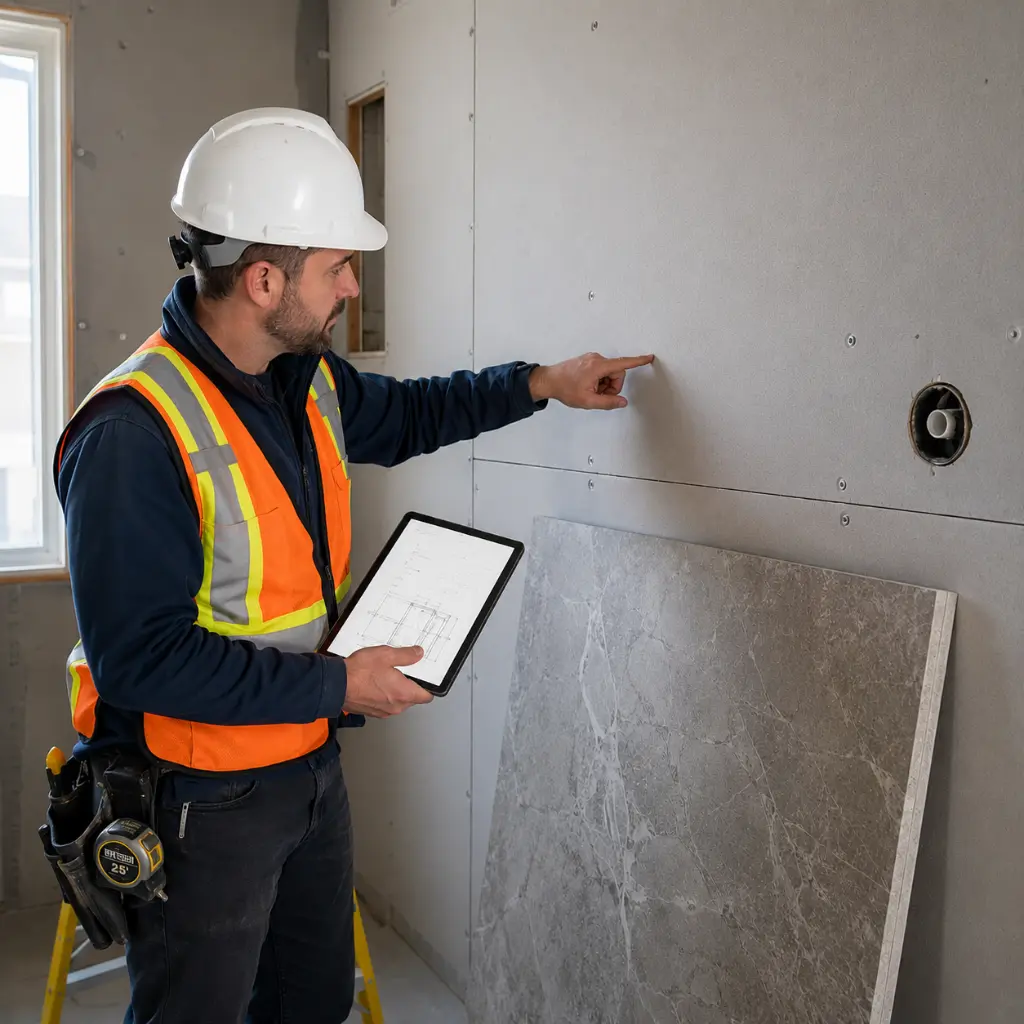
Heavy vs Lightweight Tiles
Benefits of Heavy Wall Tiles
Heavier tiles are often chosen for their visual impact and ability to create expansive, uninterrupted wall surfaces. Larger formats can help achieve a contemporary appearance with fewer visible joints.
For this reason, they are frequently specified in modern bathroom refurbishments where a clean and refined finish is desired.
When Lightweight Bathroom Tiles May Be Better
Lightweight bathroom tiles may be a practical option in compact bathrooms, older properties, or projects where wall suitability is uncertain.
They are generally easier to handle during installation and may require fewer structural considerations. The most appropriate choice depends on the specific bathroom, wall construction, and design objectives.
Common Installation Mistakes
Inadequate Surface Preparation
Many installation issues can be traced back to the condition of the wall before tiling begins. Uneven backgrounds, unstable substrates, or unresolved damp problems can all affect the finished result.
Identifying and correcting these concerns beforehand helps create a more reliable foundation for the installation.
Incorrect Material Selection
Installation problems do not always result from workmanship alone. In some cases, issues arise when tiles, adhesives, and wall substrates are not properly matched to one another.
Ensuring compatibility between these elements helps create a more dependable installation and reduces the likelihood of performance issues later.
Planning the Project
Balancing Design and Practicality
The most successful bathroom wall tiling projects consider both appearance and functionality. Tile dimensions, wall condition, room layout, and intended use all influence the suitability of a particular product.
Assessing these factors before work begins can help create a finish that performs well while still meeting the design objectives of the space.
The Value of Professional Installation
Heavy wall tiles can perform exceptionally well when installed correctly. Achieving that outcome depends on preparation, material selection, and installation standards working together.
For homeowners planning bathroom renovations, obtaining professional advice before work begins can help ensure the chosen tiles are suitable for both the design and the structure supporting them.
Conclusion
Tile weight influences many aspects of bathroom wall tiling, including substrate suitability, fixing methods, and material selection. Understanding these factors before installation begins can help avoid unnecessary complications during the project.
Whether choosing large format porcelain tiles or lighter alternatives, selecting products appropriate for the wall and environment remains essential. Abel Tiler provides bathroom wall tiling services across London, helping homeowners achieve secure and professionally finished results.