Introduction
Victorian tiles continue to shape the character of many London homes, particularly in entrance hallways, porches, kitchens, and bathrooms. From original terraced houses to carefully renovated flats, these decorative floors remain popular because they combine durability with strong architectural character. Many homeowners investing in traditional Victorian slate tiling in London are now faced with an important design decision between single colour tiles and more decorative multi coloured Victorian tiles.The right choice often depends on room size, property style, lighting, maintenance expectations, and how bold you want the finished interior to feel.
Understanding Single Colour Victorian Tiles
Single colour Victorian tiles create a calmer and more balanced appearance through subtle tones such as black, white, charcoal, beige, and soft grey. Many London homeowners prefer them because they suit both period and modern interiors without making smaller spaces feel visually crowded.
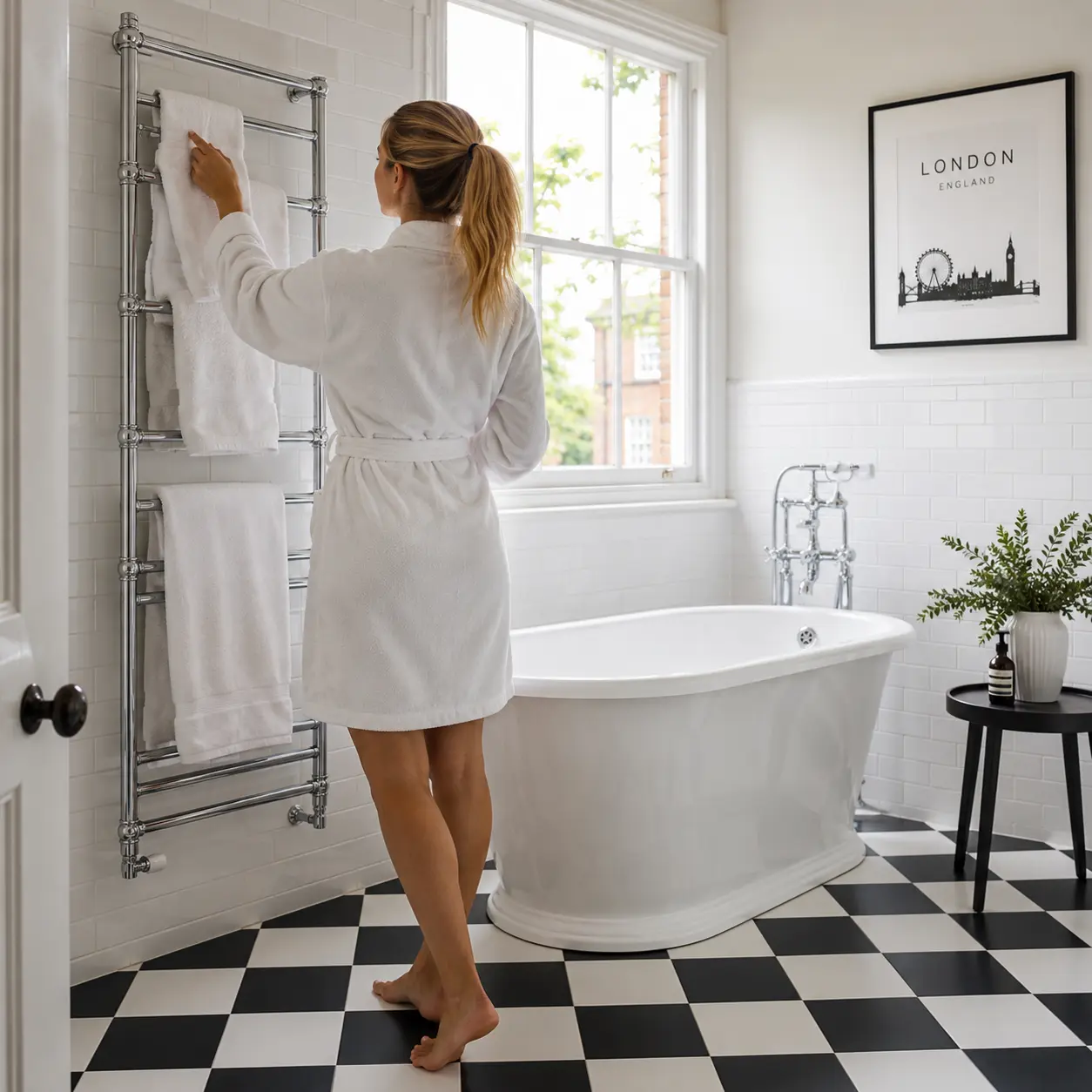
They also work well in homes with existing architectural features like fireplaces, staircases, or decorative mouldings, where simpler flooring helps maintain visual balance. Classic black and white checkerboard Victorian tiles remain especially popular for their timeless style and long term versatility.
Why Multi Colour Victorian Tiles Create More Character
Multi colour Victorian tiles remain popular in London period homes because they combine geometric patterns, decorative borders, and heritage colours to create a richer and more distinctive appearance. Unlike simpler monochrome flooring, patterned Victorian tiles often become a focal point, adding stronger character to hallways and entrance spaces.
Decorative layouts work especially well in larger Victorian and Edwardian properties, where colours such as deep red, muted green, cream, and terracotta help recreate a more authentic period style that complements traditional architectural detailing.
Which Style Works Better in Different Rooms?
Narrow Hallways
Single colour Victorian tiles often work better in narrow hallways because they create a cleaner and less crowded appearance. Strong geometric patterns can sometimes feel too busy in compact entrance spaces.
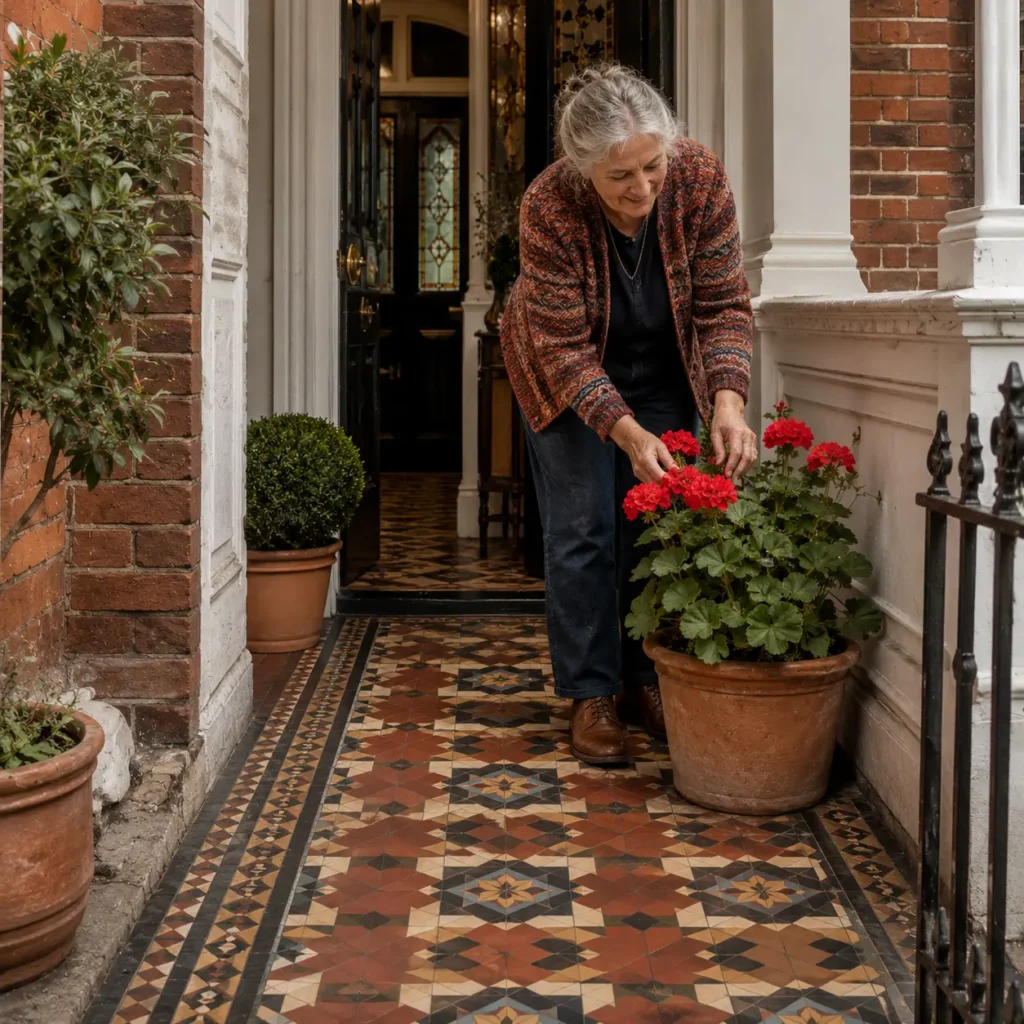
Large Entrance Halls
Larger entrance halls usually suit multi colour Victorian tiles more effectively because there is enough space for decorative geometric patterns to be fully appreciated. Patterned flooring helps strengthen the period feel often associated with Victorian and Edwardian homes. In wider hallways, plain flooring can occasionally feel slightly understated compared to more decorative layouts.
Bathrooms
Single colour Victorian tiles are often easier to coordinate with bathroom fittings, wall colours, and sanitaryware, especially in smaller London properties where simplicity helps maintain visual balance. Multi colour Victorian tiles can still work beautifully in bathrooms, although they are often more suitable as feature flooring rather than throughout the entire room. In areas exposed to regular moisture, such as bathrooms and entrance porches, non slip Victorian floor tiles are often preferred because they provide better grip while still preserving the period inspired appearance of the flooring.
Kitchens
Kitchen flooring needs to balance practicality with appearance. Single colour Victorian tiles generally provide a softer and more practical finish for busy family kitchens, particularly in homes with modern cabinetry and neutral interiors. Multi colour Victorian tiles introduce stronger decorative detail that tends to complement more heritage inspired kitchen designs.
Victorian Porches
Victorian porches are one of the areas where decorative flooring often performs particularly well. Multi colour Victorian tiles can recreate the authentic appearance commonly associated with classic British entrances, helping to restore period character within older properties. Simpler single colour layouts usually suit more understated entrances or homes with less decorative architectural detailing.
Modern Flats and Contemporary Interiors
Single colour Victorian tiles usually suit contemporary interiors more naturally because they complement minimalist décor and cleaner styling. Patterned flooring can still work effectively when balanced with simpler surrounding finishes.
Choosing the Right Style for Your Property
Neither single colour nor multi colour Victorian tiles are universally better. The most suitable option depends on the proportions of the room, the amount of natural light available, and the overall character of the property.
Smaller Victorian hallways often benefit from softer layouts with less contrast, while larger entrance spaces can accommodate more detailed geometric flooring successfully. Properties with strong architectural detailing may also support bolder flooring patterns more naturally than minimal contemporary interiors.
Tile size can also influence the final appearance. Smaller Victorian tiles often create a more authentic period look in narrow hallways and porches, while slightly larger formats may feel more balanced in open kitchens and wider entrances.
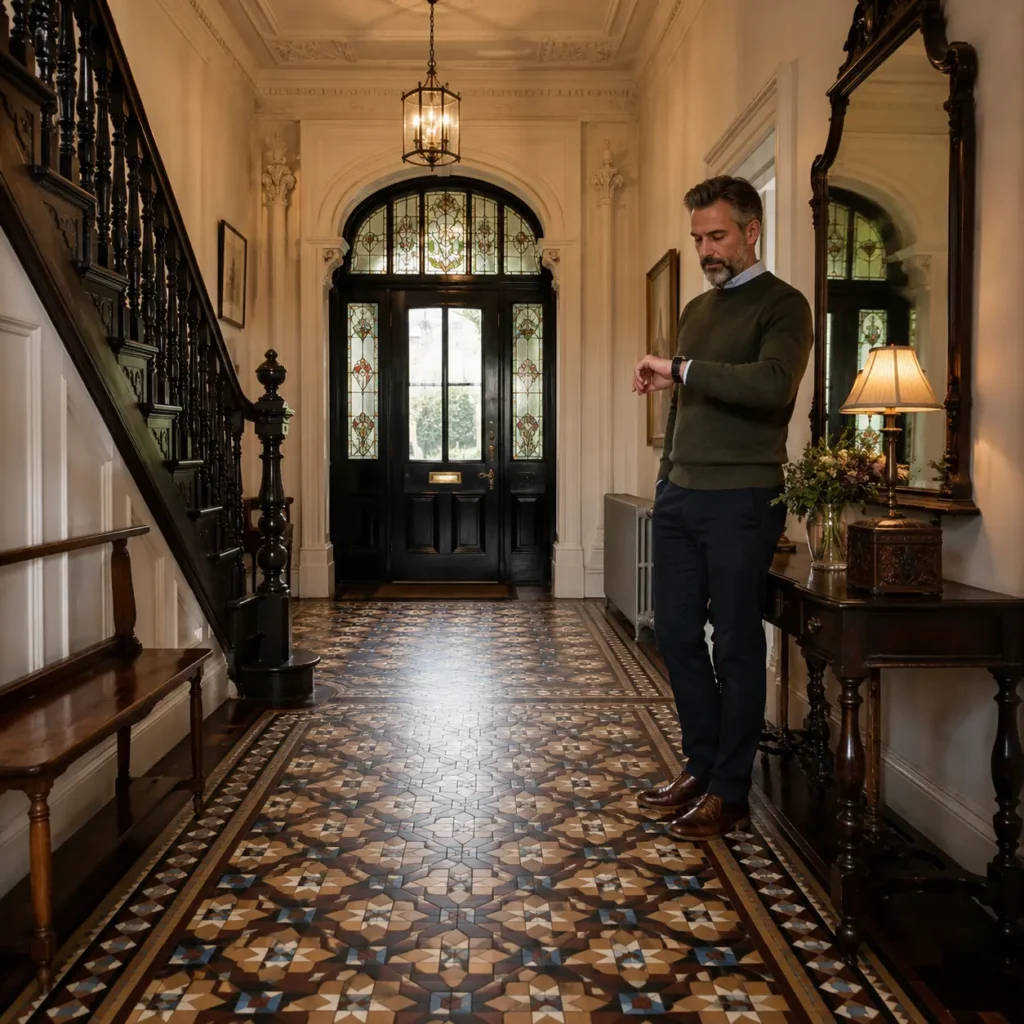
Which Option Is Easier to Maintain?
Practicality matters in busy London homes exposed to wet weather and daily foot traffic. Single colour Victorian tiles usually appear easier to maintain because dust, marks, and gradual discoloured grout blend more naturally across softer neutral surfaces. Mid toned shades such as charcoal, stone, or aged black are often preferred in high traffic areas.
Multi colour Victorian tiles can also hide dirt effectively because patterned layouts help disguise marks and minor wear. However, repairing decorative flooring later may be more difficult, as matching patterned Victorian tiles can be harder than replacing simpler single colour designs.
Why Installation Quality Matters More With Patterned Tiles
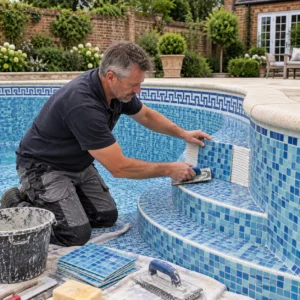
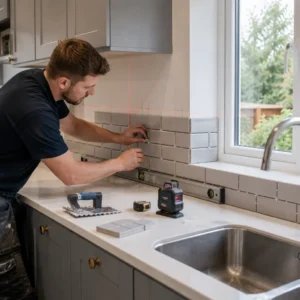
Victorian flooring relies heavily on precision because geometric layouts and decorative borders depend on accurate alignment throughout the floor.
Patterned Victorian tiles are far less forgiving than single colour layouts because even small positioning errors become highly noticeable once the design repeats across the room. Older London properties often contain uneven subfloors that can affect tile alignment if preparation work is not completed properly.
Stable floor preparation and careful levelling are particularly important in period homes where ageing structures may already show signs of movement. Cracked Victorian flooring, loose tiles, or uneven patterned borders often indicate underlying preparation issues that should be addressed early.
So, Which Works Best?
Single colour Victorian tiles generally work best for smaller rooms, modern interiors, and homeowners wanting a cleaner and more adaptable finish. They are easier to coordinate with changing décor and usually create a calmer appearance within compact spaces.
Multi colour Victorian tiles tend to work best in larger entrance hallways, period restorations, and homes where decorative flooring is intended to become a central design feature. They offer stronger heritage character and create a more authentic Victorian atmosphere when used correctly.
For many London properties, the most successful approach is often a balanced combination of both styles. Decorative patterned flooring may suit the entranceway beautifully, while simpler monochrome tiles create continuity throughout kitchens, bathrooms, or adjoining spaces.
Conclusion
Choosing between single colour and multi colour Victorian tiles ultimately depends on the character of the property and how the flooring interacts with the surrounding interior. Monochrome layouts provide softness, flexibility, and understated elegance, while decorative geometric flooring delivers stronger period detail and visual impact.
The best results usually come from selecting a layout that suits the room size, lighting, and architectural style rather than simply following trends. With careful planning and professional installation from Abel Tiler, Victorian flooring can add lasting character and practicality to both period and contemporary London homes.