Introduction
London flats rarely offer endless square footage, which means every design decision matters. In compact properties, wall tiling has a far greater impact than many homeowners initially expect. The right surfaces can brighten darker interiors, improve moisture resistance, and create a cleaner sense of flow throughout smaller rooms. Whether you live in a converted Victorian property in North London or a modern flat in a new build development, carefully selected wall tiles can completely change the atmosphere of your home.
Choosing tiles for small spaces requires more than simply picking a colour you like. Tile dimensions, finishes, grout spacing, surface texture, and placement all contribute to how spacious a room feels. In many London homes, limited natural light and awkward room proportions make thoughtful wall tiling even more important.
For homeowners planning a small flat renovation, London properties often benefit from seamless layouts and durable materials that are easy to maintain throughout daily life. Professional wall tiling can also help protect surfaces from moisture, particularly in kitchens and bathrooms where condensation is common during colder months.
Why Wall Tiling Works So Well in Small Apartments
Compact flats need practical finishes that can handle everyday wear without making interiors feel overcrowded. Wall tiles offer durability while helping rooms appear brighter and more organised. Wall tiling also creates a cleaner and more refined finish while helping protect vulnerable surfaces in busy areas of the home.
Modern apartment interiors often rely on simplicity to create a sense of openness. Large uninterrupted surfaces and minimal visual clutter help smaller rooms feel calmer and more balanced. Unlike painted walls that may require regular upkeep in moisture prone environments, ceramic wall tiles and porcelain wall tiles remain practical for everyday living.
Wall tiling also allows homeowners to introduce texture and personality without overwhelming compact interiors. Carefully chosen decorative wall tiles can create depth while maintaining an elegant and understated appearance.
Large Format Tiles Create a More Open Feel
Large format wall tiles are often used to help smaller interiors feel more open and less visually crowded. Because larger tiles create fewer grout lines across the surface, walls appear smoother and more continuous, which can make compact rooms feel calmer and more spacious.
In many London flats and smaller terraced properties, porcelain wall tiles are commonly chosen for bathrooms, kitchens, and open plan areas because they combine durability with a clean contemporary finish. Light grey shades, soft off white tones, and subtle stone effect surfaces can also reflect natural light more effectively, helping darker rooms feel brighter.
Tile positioning can further influence how much space a room appears to have. Vertically laid rectangular tiles are frequently used in narrow bathrooms to draw the eye upwards and create the impression of greater ceiling height. In compact kitchens, continuing the same tile design across splashback sections and adjacent walls often creates a more seamless overall appearance.
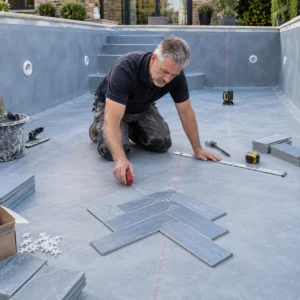
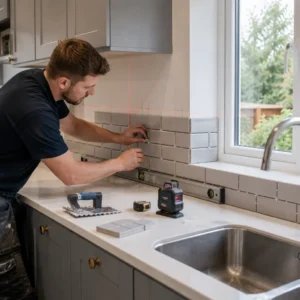
Careful tile layout planning is equally important. Professional tilers usually assess grout placement and tile alignment before installation begins to ensure the finished surface feels balanced and visually consistent throughout the room.
Small Bathroom Tile Ideas London Homeowners Can Use Effectively
Bathrooms are often among the most challenging rooms in smaller London flats. Limited floor space, restricted ventilation, and moisture exposure mean materials need to perform well while still looking stylish.
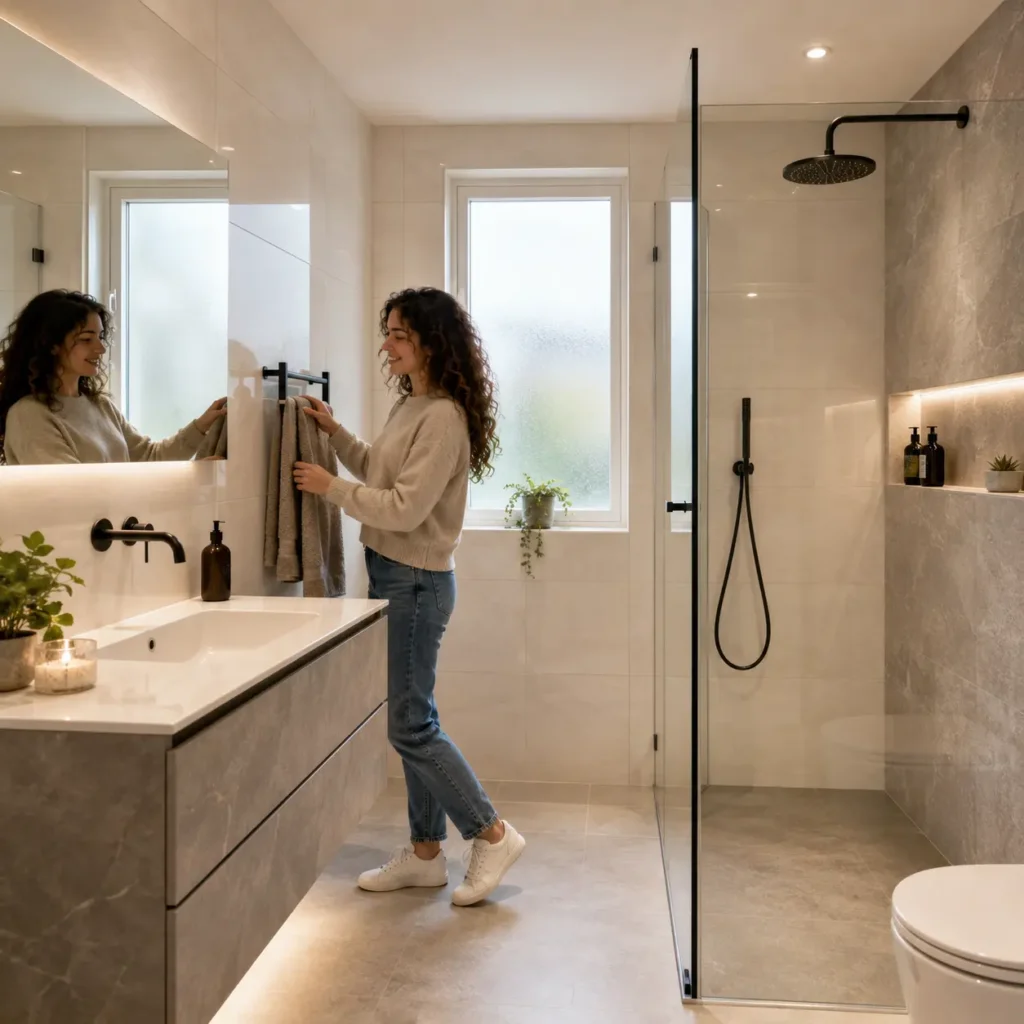
Many homeowners searching for small bathroom tile ideas in UK properties can realistically benefit from choosing reflective finishes and practical layouts. Glossy wall tiles remain popular because they reflect available light and help compact bathrooms feel brighter. Marble effect wall tiles are also widely used because they add texture and visual movement without making the room appear crowded.
Subway wall tiles continue to work well in smaller bathrooms because of their clean and timeless appearance. When paired with light grout, they help maintain an airy finish that suits both period and contemporary properties.
Mosaic wall tiles can also be introduced carefully within shower niches or vanity areas to add subtle decorative detail. Applying this approach within selected sections helps maintain a cleaner layout in compact bathrooms.
In many London flats, moisture control is equally important. Professional preparation behind bathroom wall tiles helps reduce the risk of future damp related problems, while properly installed bathroom wall tiles can also help reduce the risk of mould developing behind tiled surfaces over time, particularly in bathrooms with limited ventilation.
Wall Tiles Design for Small Living Room Spaces
Living rooms in smaller flats often serve several purposes at once. They may function as entertainment areas, dining spaces, home offices, and relaxation zones within the same layout. The wall finishes chosen for these spaces should therefore create warmth and openness without dominating the room.
A carefully planned wall tile design for small living room interiors can help create visual structure while keeping the overall appearance calm and uncluttered. Minimalist wall tiles with subtle texture designs are often more effective than heavily patterned surfaces in compact rooms.
Wood effect wall tiles remain a popular option for London apartments because they introduce warmth without requiring the upkeep associated with real timber panelling. Soft oak inspired tones pair well with modern apartment décor and work especially well behind media units or shelving.
Stone effect wall tiles can also add texture and depth to living rooms. In flats with limited natural character, these surfaces help create a more inviting atmosphere while complementing both contemporary and traditional furniture.
For homeowners who prefer bolder interiors, geometric wall tiles may be introduced through a single accent section. Horizontal tile layouts behind media walls can also help visually widen narrower living rooms commonly found in compact London flats.
Stylish Kitchen Wall Tiling for Compact London Flats
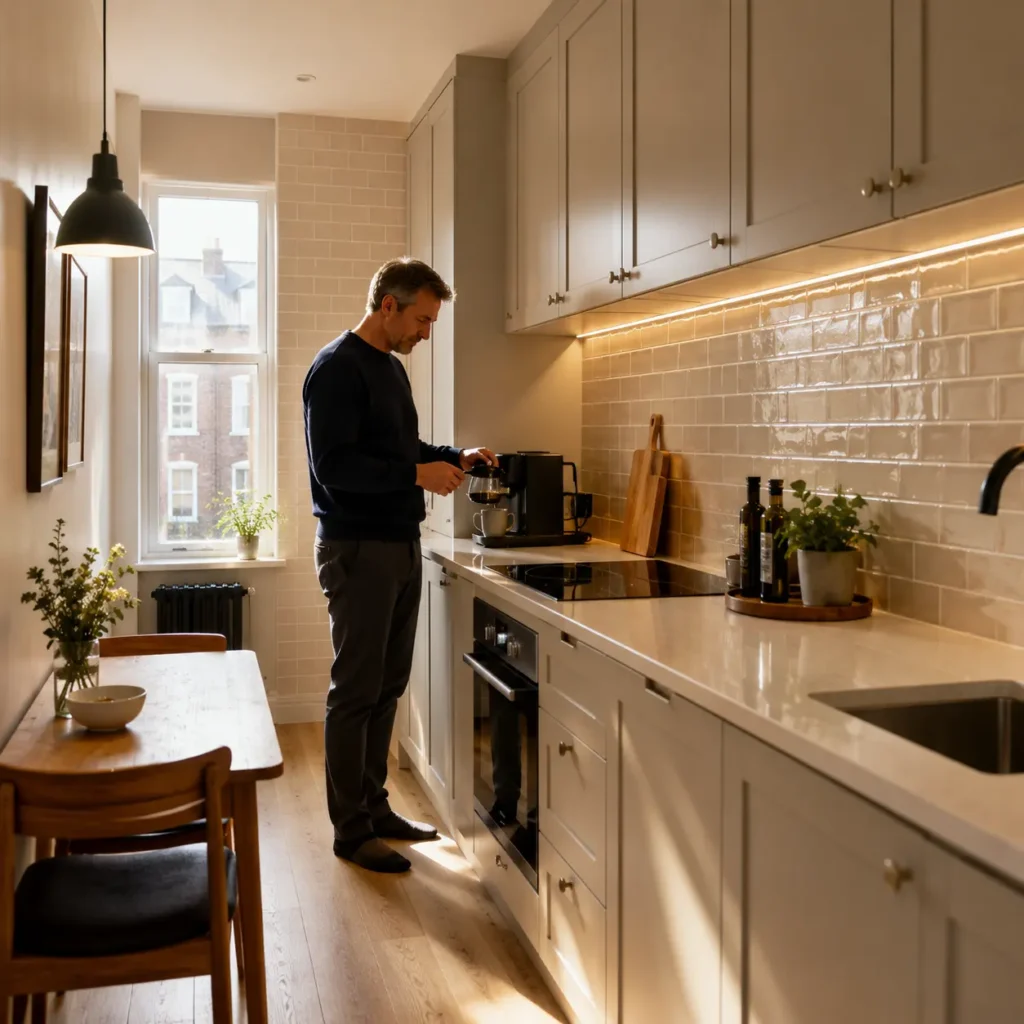
Kitchen layouts in London apartments are often narrow and highly functional, which means wall finishes must combine practicality with visual simplicity. Ceramic wall tiles continue to be a practical option for compact kitchens because they cope well with daily use, resist common stains, and require very little upkeep.
Modern wall tile design ideas for kitchens increasingly focus on clean lines and uncluttered surfaces. Light coloured tiles with minimal grout contrast help kitchens feel larger while supporting better visual continuity throughout the room.
Tile splashback ideas have also evolved beyond traditional square layouts. Many homeowners now prefer vertically stacked subway wall tiles, textured ceramic surfaces, or slim rectangular designs that create a more contemporary appearance.
Mosaic splashback tiles can still work effectively in smaller kitchens when used carefully. Used selectively around cooker splashbacks or alcoves, mosaic tiles can introduce texture without dominating the kitchen.
Open plan apartments particularly benefit from consistent finishes between the kitchen and adjoining living spaces. Matching floor and wall tiles across connected areas creates smoother visual flow and helps the apartment feel less divided.
Feature Wall Tiles That Work in Smaller Homes
Feature walls can bring personality into a flat, but they must be approached carefully in compact spaces. Overly busy patterns or dark surfaces across multiple walls can quickly make a room feel smaller. In most compact interiors, limiting stronger tile patterns to one focal area usually creates a more balanced result.
The most successful feature wall tiles in London apartments usually focus on texture rather than excessive colour contrast. Textured wall tiles, soft geometric patterns, or subtle marble effect finishes create interest without overwhelming the space.
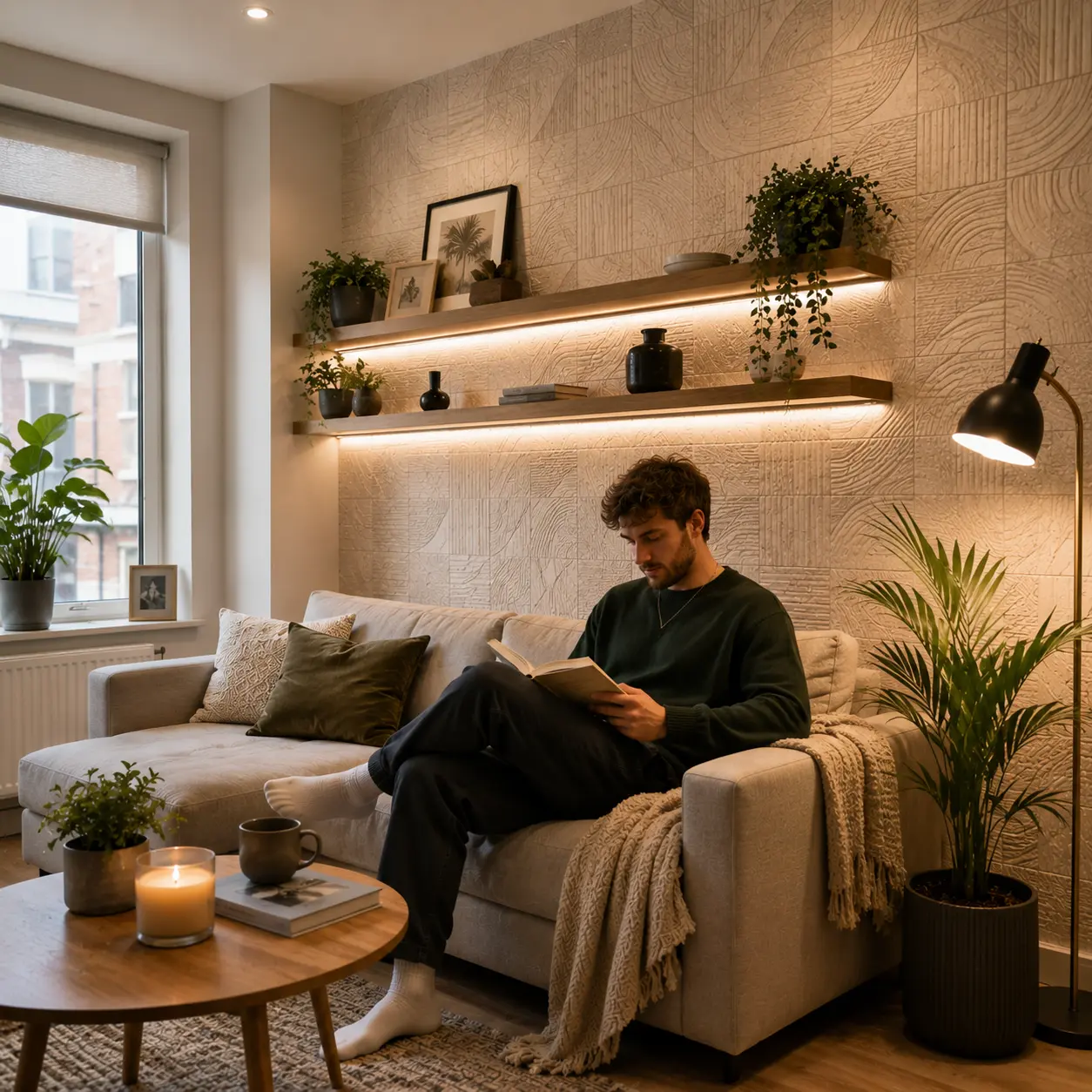
3D wall tiles can work particularly well in dining areas or behind television walls when lighting is positioned correctly. The shadows created by textured surfaces help introduce depth and movement into otherwise flat interiors.
Hexagonal and patterned wall tiles are also increasingly used within entrance hallways, alcoves, and vanity areas. In many London flats, entrance walls are especially effective locations for decorative tiling because they help establish the style of the apartment immediately.
Professional installation becomes especially important with decorative layouts because poor alignment or uneven spacing is often far more noticeable in compact rooms.
Colour Combinations That Suit Small London Flats
Warm greys, soft stone shades, and muted beige tones often work particularly well in London flats because they complement the cooler natural daylight commonly found in urban properties. These softer combinations help interiors feel calmer while supporting a more open appearance.
Neutral wall tiles continue to remain popular because they pair easily with both contemporary and traditional décor styles. Off white wall tiles combined with pale wood finishes can create a softer Scandinavian inspired look, while stone effect wall tiles paired with charcoal accents produce a more modern urban feel.
Monochrome wall tiles can also work effectively when balanced correctly. Combining matte grey wall tiles with slightly darker floor finishes can add depth without making the room feel enclosed.
In kitchens with limited daylight, combining glossy wall finishes with matte flooring can create subtle contrast while maintaining a brighter overall appearance. Meanwhile, matte finish wall tiles often suit bedrooms and living spaces where homeowners prefer a softer and less reflective finish.
Practical Tiling Considerations for London Properties
Many London homes present structural challenges that directly affect wall tiling projects. Older Victorian and Edwardian properties may contain uneven walls, ageing plaster, or hidden moisture issues beneath existing finishes. Proper preparation before installation is therefore essential.
Professional wall tile installation should always begin with careful surface assessment. Any instability, dampness, or movement within the substrate must be addressed before tiling begins. Ignoring these issues can eventually lead to cracking grout, loose tiles, or moisture penetration.
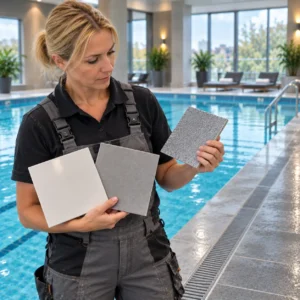
Tile size selection also matters in compact properties. Oversized wall tiles may appear elegant, but they must still suit the room proportions and wall dimensions. In some smaller bathrooms or awkward alcoves, medium sized tiles provide a cleaner overall result.
Grout colour should also be considered carefully. Matching grout to tile colour creates smoother visual continuity and reduces harsh line separation across smaller surfaces.
For landlords and property managers, easy maintenance wall tiles often provide long term value because they withstand regular cleaning and daily wear more effectively than painted surfaces.
Hallway Tiling Ideas for Narrow London Flats
Hallways are often overlooked during apartment renovations, despite being one of the first spaces people notice when entering a flat. In narrow London properties, carefully planned hallway tiling can help create a stronger sense of openness from the entrance onwards.
Using the same floor tiles throughout the hallway and adjoining living spaces can improve continuity and reduce visual breaks between rooms. This approach works particularly well in open plan flats where uninterrupted flooring helps the layout feel larger.
Slim rectangular wall tiles or subtle textured finishes can also brighten narrow entrance areas without overwhelming the space. In smaller hallways, vertically arranged wall tiles may help create the impression of additional height.
Why Professional Installation Matters in Small Spaces
Compact rooms often make tiling imperfections far more noticeable, which is why precise installation becomes especially important in smaller interiors. Uneven tile cuts, poorly aligned grout lines, or awkward layouts can quickly disrupt the overall appearance of confined spaces.
This is particularly relevant in older London flats where walls and surfaces are not always perfectly level. Careful tile positioning and accurate finishing help smaller bathrooms, kitchens, and living areas feel cleaner, more balanced, and visually organised.
Whether you are refreshing bathroom wall tiles, upgrading a kitchen splashback, or adding a feature wall within a living space, high quality workmanship can make a significant difference to the final result. If you are planning a renovation and want a professional finish suited to compact London homes, Abel Tiler can help create practical and visually effective tiling solutions for your space.
Conclusion
Choosing suitable tiles for small spaces can make a noticeable difference to how compact London flats look and feel. From improving brightness and visual flow to adding texture and practicality, the right wall tiling choices help smaller interiors appear more open, organised, and comfortable for everyday living.
Whether you are updating a bathroom, modernising a kitchen, or refreshing your living areas, carefully planned wall tiling can completely elevate the overall appearance of your property. If you are looking for professional tiling solutions tailored to London flats and apartments, Abel Tiler offers reliable workmanship and thoughtfully finished installations designed to suit modern urban homes.