Introduction
A hollow tile sound on walls is often one of the first signs that something beneath the surface is not performing as expected. Many property owners notice this when tapping tiled areas, yet it is often overlooked at an early stage.
Understanding what causes this issue allows you to respond before visible damage develops. Factors such as poor bonding and installation errors can contribute, making early awareness important for maintaining reliable wall tiling.
Expert wall tiling solutions tailored for London properties help ensure a durable and well-finished result from the start.
What a Hollow Sound Means in Wall Tiling
When tiles produce a hollow sound, it usually indicates incomplete contact between the tile and the surface behind it. Small voids form where bonding has not been achieved properly.
Although the tiles may appear fixed in place, these gaps undermine the fixing and affect load distribution. This can limit long-term performance, particularly on vertical surfaces where consistent contact is essential.
How to Check for Hollow Tiles
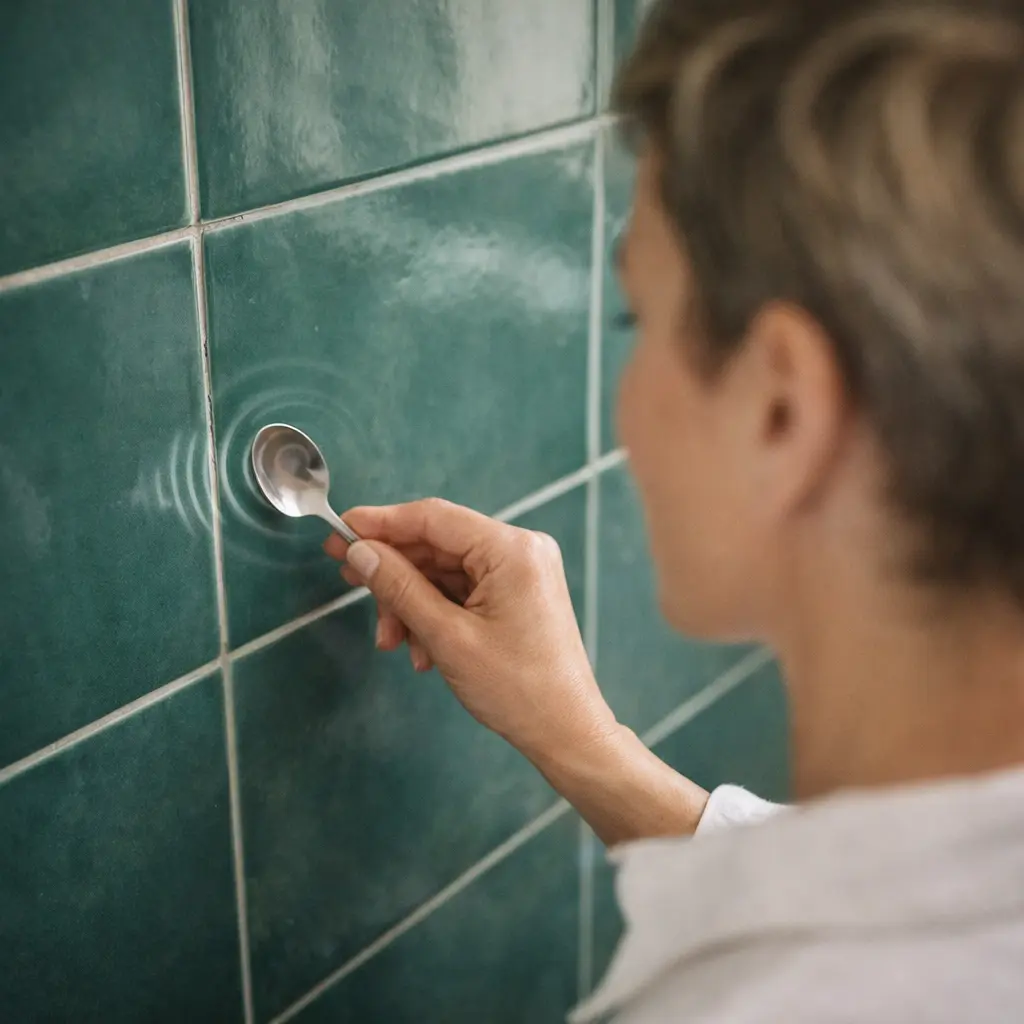
Identifying hollow areas early helps prevent more serious issues later. A simple tapping test using your knuckles or a small tool can highlight differences in sound across the surface.
Solid tiles produce a firm, consistent tone, while hollow areas sound lighter or slightly echoing. Marking these spots during inspection makes it easier to assess whether the issue is isolated or spread across a larger section.
Common Causes of Hollow Wall Tiles
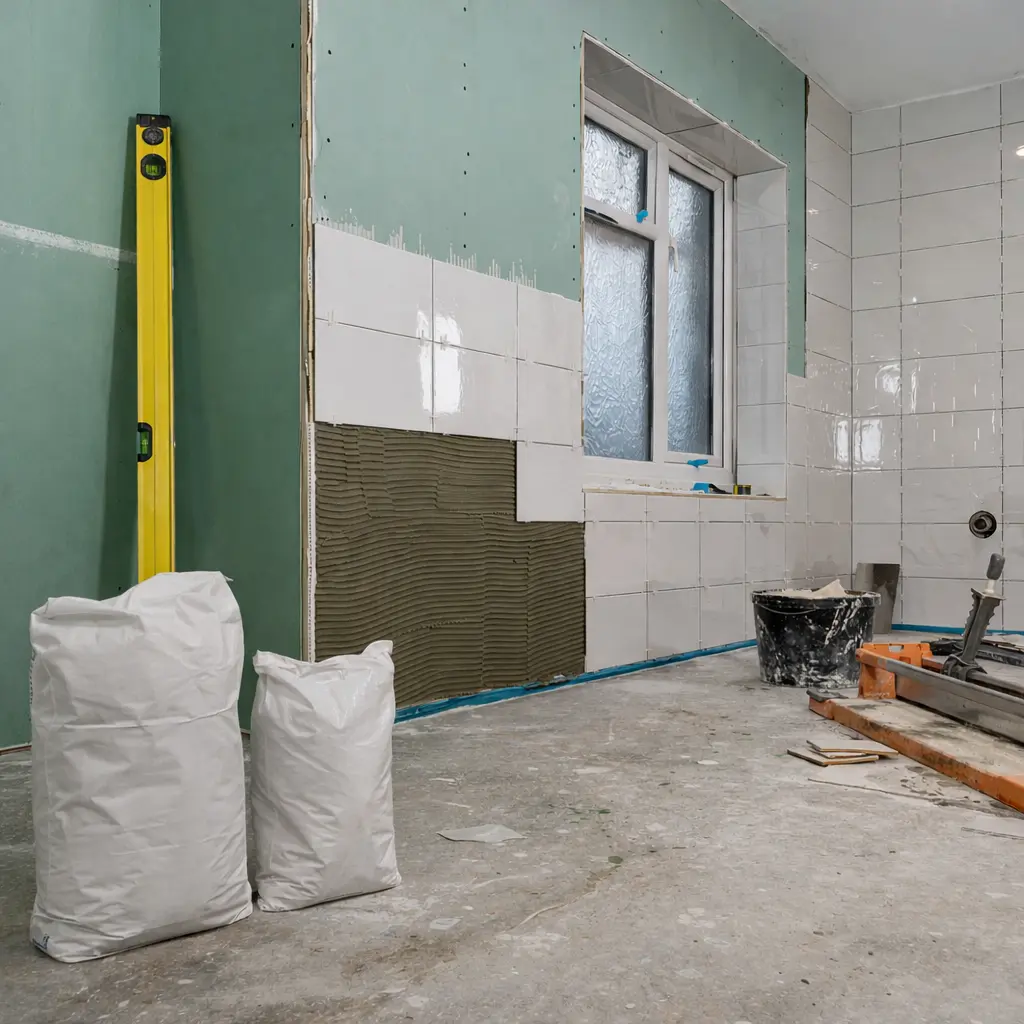
Hollow wall tiles typically develop when the bond between the tile and the wall is incomplete. One major cause is inconsistent adhesive coverage, where certain sections fail to make proper contact with the surface. This creates voids behind the tile, reducing overall support.
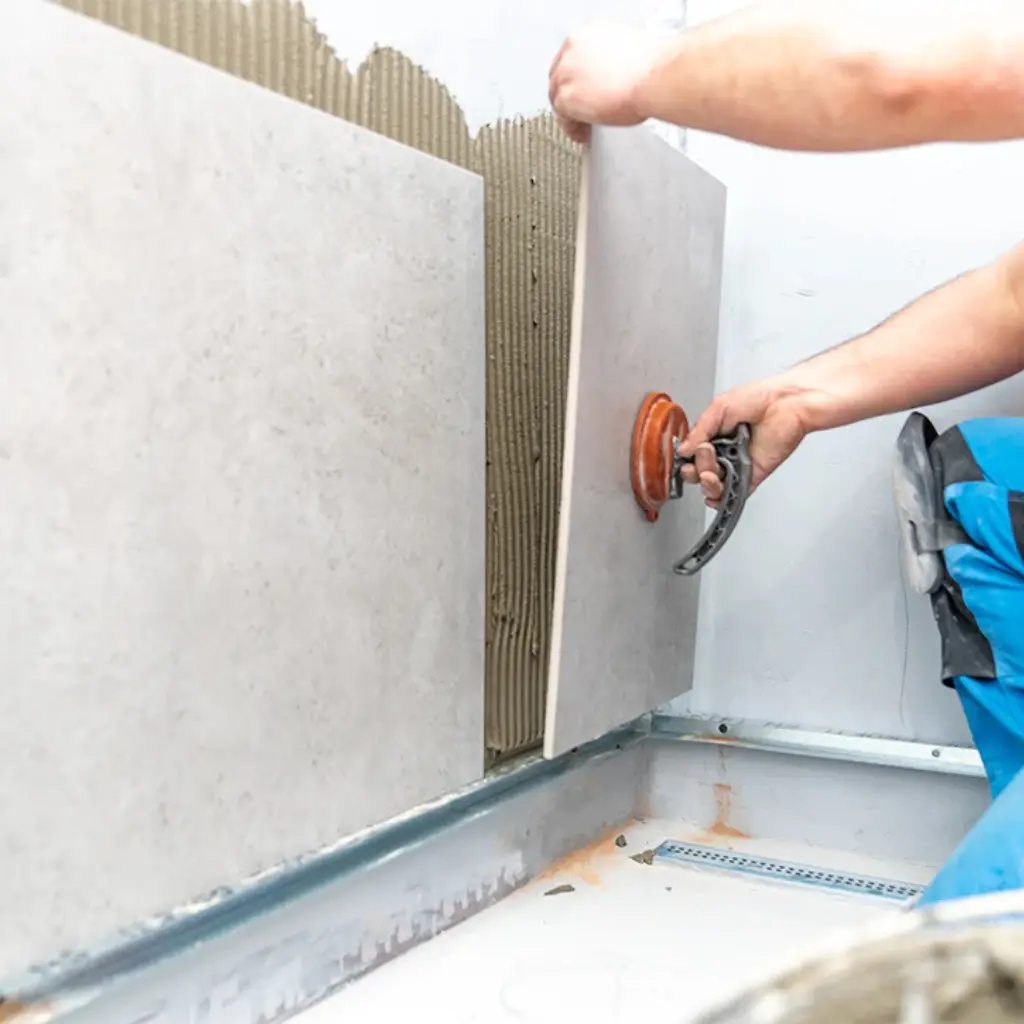
Application technique also influences the outcome. If tiles are not aligned carefully or pressed evenly during installation, air pockets can form beneath them. These gaps weaken the fixing and affect long-term stability.
The condition of the wall itself is another key factor. Surfaces that are uneven, contaminated, or insufficiently prepared can prevent proper adhesion. Without a suitable base, even high-quality materials may not perform effectively.
External conditions can further impact performance. Exposure to moisture or structural movement within the wall can gradually disrupt the bond, especially in areas subject to regular temperature or humidity changes.
Effective Fixes for Hollow Wall Tiles
Addressing hollow tiles requires selecting the right approach based on the extent of the issue. In cases where only small sections are affected, targeted repair methods can be used to restore support beneath the tile without disturbing the surrounding area.
For more widespread problems, removing and reinstalling tiles may be necessary to achieve proper contact with the wall. This allows for correct preparation and ensures the bonding material is applied evenly across the surface.
It is also important to resolve any contributing factors before carrying out repairs. Issues such as moisture presence or unstable substrates should be corrected first, as this helps maintain the effectiveness of the solution.
Choosing the appropriate repair method and addressing underlying conditions ensures the tiled surface remains secure and performs reliably over time.
Why Hollow Wall Tiles Should Be Addressed Early
Addressing hollow wall tiles at an early stage helps prevent gradual deterioration that may not be immediately visible. While the surface may appear intact, the lack of proper support behind the tile can weaken its ability to stay securely fixed over time.
As daily use continues, even minor movement can place stress on surrounding tiles and grout lines, affecting the overall stability of the wall. Early action allows the issue to be contained before it spreads to adjacent areas, reducing the need for more extensive repairs.
It also helps maintain the consistency of the tiled surface, ensuring that both appearance and structural reliability are preserved. Taking prompt steps supports a more controlled repair process and avoids disruption later.
When to Contact a Professional Wall Tiler
Minor issues can sometimes be managed early, but larger affected areas require professional assessment.
A professional tiler prepares surfaces, selects suitable materials, and installs tiles with accurate alignment.
They also apply adhesive properly and complete the finishing with care so the wall remains stable and visually consistent.
If multiple tiles show signs of poor bonding or movement, it is advisable to consult a specialist. Early intervention helps use the right repair method and limits further damage.
After Repair: Ensuring Long-Term Stability
Once repairs are completed, maintaining a stable environment plays a key role in preserving the effectiveness of the work. Allowing sufficient time for materials to settle and avoiding unnecessary stress on the surface helps the repaired area perform as intended.
Consistent care, such as monitoring grout condition and keeping surfaces clean, supports the integrity of the installation over time. Attention to surrounding conditions, including moisture control and proper ventilation, also contributes to long-term performance.
Periodic checks can help identify any subtle changes before they develop into larger concerns. A balanced approach to maintenance ensures that the repaired section remains secure and blends seamlessly with the rest of the tiled wall.
Conclusion
A hollow sound in wall tiles is a clear indication that the surface beneath is not providing proper support. While it may not cause immediate failure, it highlights a weakness that can worsen if left unresolved.
Compared to wall paint, tiled surfaces offer stronger bonding and better resistance to issues like hollow sounds.
Identifying the cause and applying the correct solution is essential to maintaining dependable wall tiling. Abel Tiler focuses on accurate installation techniques and thorough surface preparation, helping ensure tiles remain firmly bonded and perform reliably over time.