Introduction
Understanding what happens during a tiling project helps you plan effectively and minimise disruption. A well-structured approach ensures each stage is carried out efficiently with attention to detail.
Preparation, surface condition, and correct installation methods all influence how well the finished result performs. Working with professional wall tiling services in London helps ensure the right approach is followed from the start.
Having a clear idea of the process also allows you to prepare your space in advance, making it easier for the work to progress smoothly from start to finish.
Who Is a Professional Tiler and What Do They Do
A professional tiler in the UK is responsible for preparing surfaces, selecting suitable materials, and installing tiles with precision. Their work includes measuring, planning patterns, and ensuring tiles are positioned correctly across the surface.
A skilled tiler adapts techniques to suit each property, ensuring tiles sit properly and the finished surface appears balanced.
The Tiling Process Step by Step in the UK
Consultation and Site Assessment
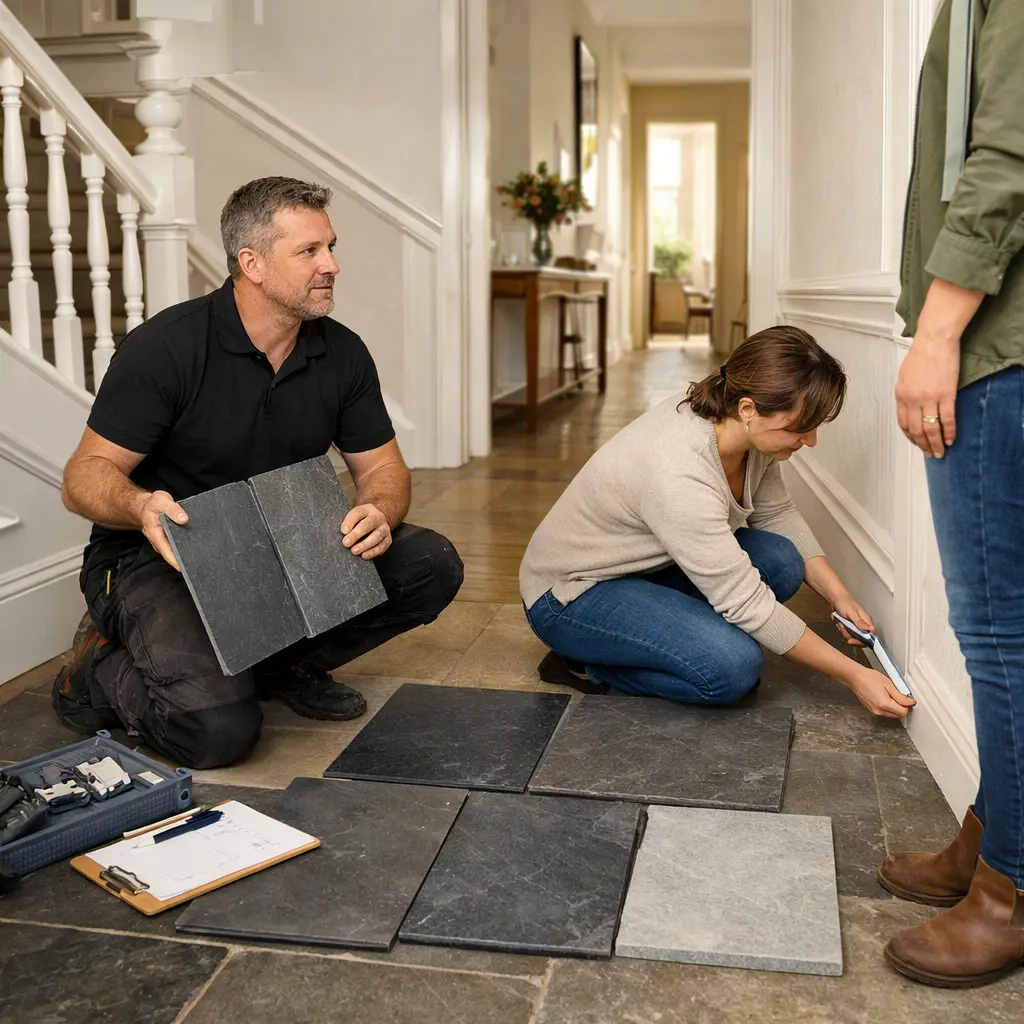
The process begins with a site inspection. The tiler measures the area, reviews the wall condition, and discusses design preferences. This stage highlights any concerns that may affect installation, such as moisture exposure or access limitations.
A clear quotation and project outline are provided so expectations are aligned before work begins.
Surface Preparation
Without proper preparation, the adhesive may not bond effectively, and the tiles can shift after installation. Existing materials may need to be removed, and surfaces are cleaned and adjusted where required.
In many London homes, walls that are not level need correcting before tiling can begin. This ensures the adhesive bonds cleanly and the tiles stay flat over time.
Layout Planning and Marking
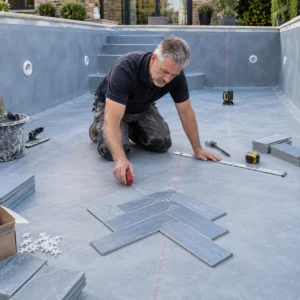
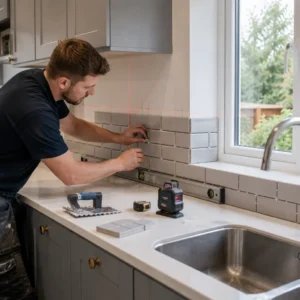
Before fixing any tiles, their arrangement is carefully planned. Reference lines guide placement and keep the wall balanced.
Dry positioning is often used to confirm spacing and reduce awkward cuts. This approach creates an even pattern across visible areas.
Tile Installation
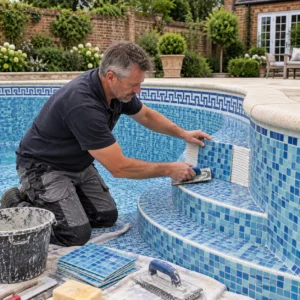
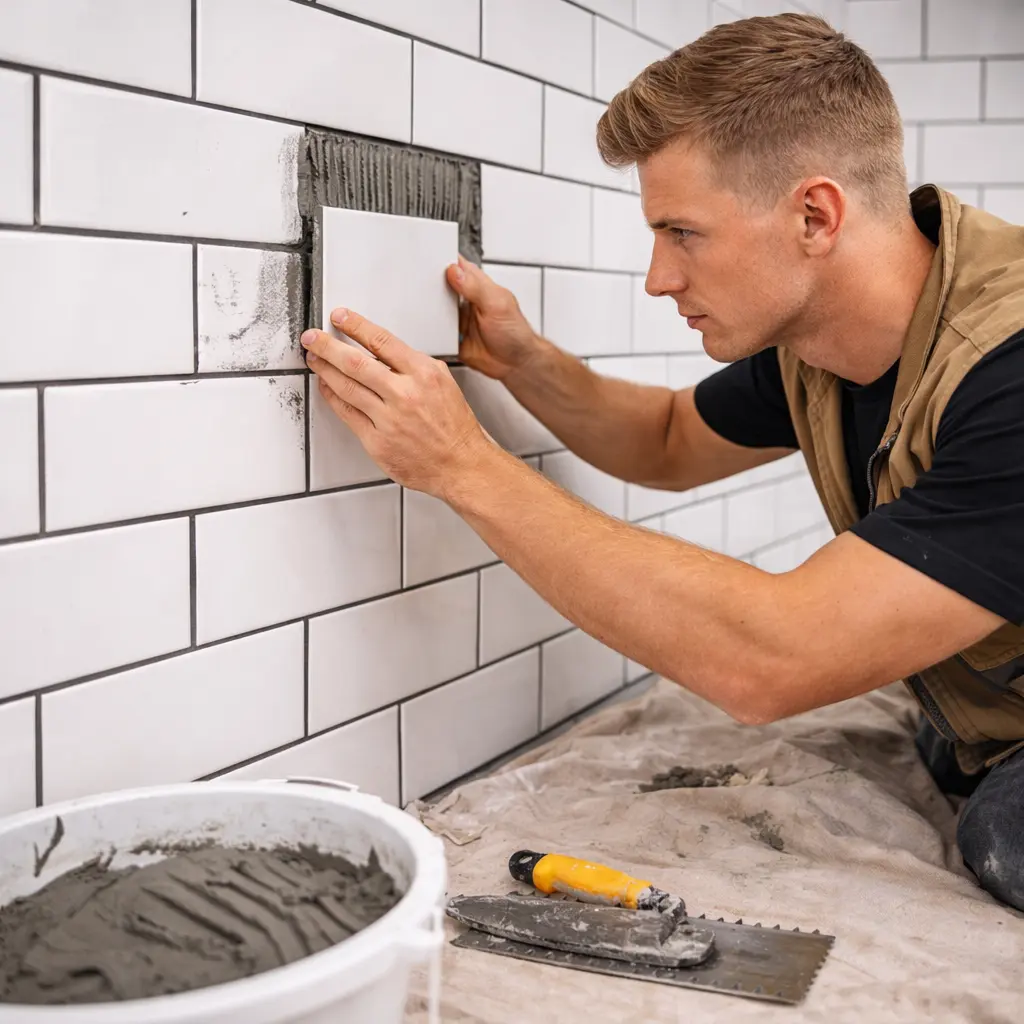
Tiles are fixed using a suitable adhesive applied evenly across the surface. Each tile is placed carefully and adjusted to maintain alignment and spacing.
Spacers are used to keep gaps uniform, and accuracy at this stage influences the overall look of the finished wall.
Different types of adhesive are used depending on the surface and tile material, including cement based and flexible options for improved bonding. Choosing the right product ensures proper fixing and supports consistent alignment during installation.
Grouting and Finishing
Once tiles are set, grout is applied to fill the joints and secure the tiles in place. Excess material is removed, and the surface is cleaned carefully.
Grout colour choice at this stage can either frame the tile pattern neatly or draw unwanted attention to irregular spacing.
What Affects the Timeline of a Tiling Project
The duration of a tiling project depends on several factors. Larger spaces take longer to complete, while detailed patterns require additional planning and cutting.
The extent of preparation work required can also influence progress. Material availability and unexpected repairs can affect timing, so allowing flexibility keeps the project on schedule.
Health and Safety During Tiling Work
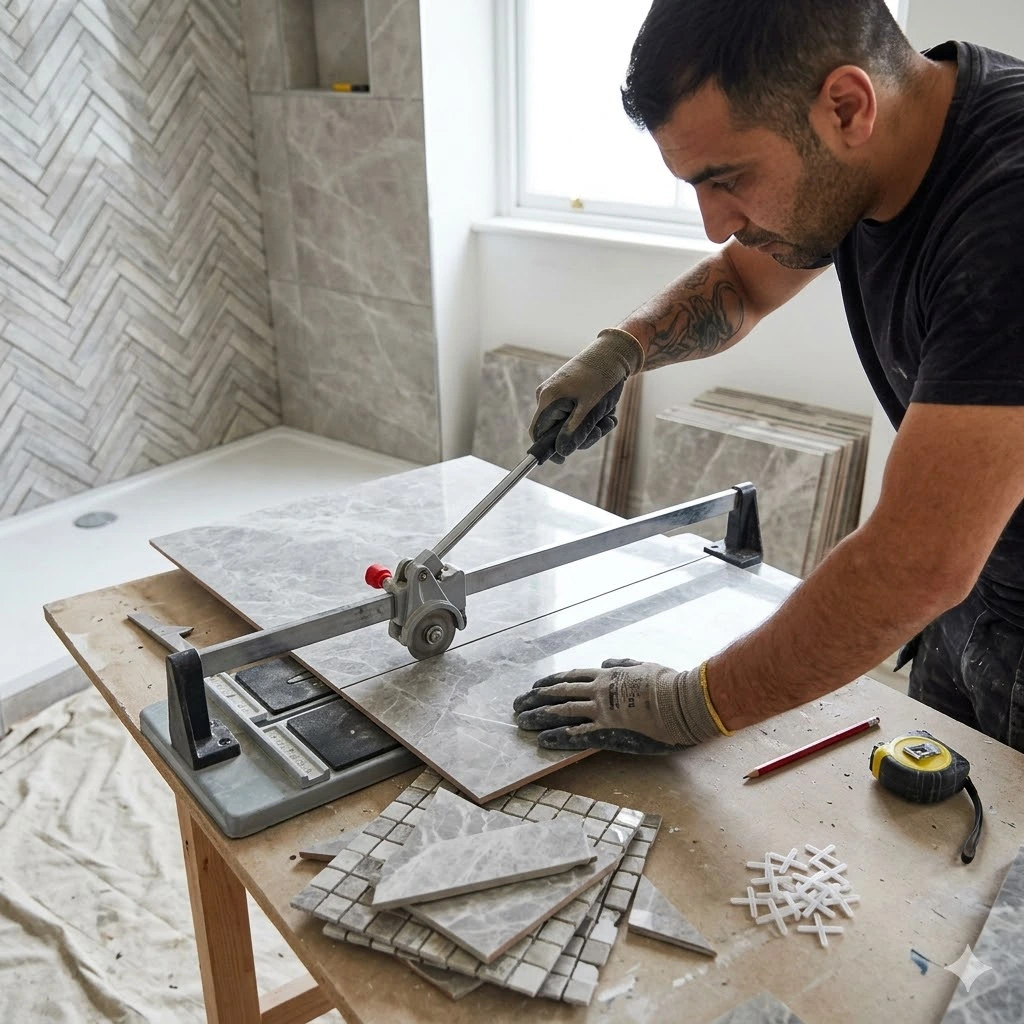
Tiling involves tools, materials, and working conditions that require careful handling. Dust from surface preparation, cutting equipment, and adhesive materials all need to be managed properly.
Professional tilers follow safety practices to protect both the workspace and occupants of the property. Keeping the area organised and minimising hazards ensures the work is carried out efficiently and responsibly.
Common Issues a Professional Tiler Helps Prevent
Certain problems arise when installation is rushed or poorly planned. Misaligned tiles can affect the visual balance, especially in prominent wall areas, while poor bonding may cause tiles to loosen over time.
A hollow sound when tapping tiles can indicate gaps beneath the surface or insufficient adhesive coverage. This usually occurs when adhesive is not applied evenly, which can affect long term stability.
Aftercare and Maintenance Following Installation
Once the tiling is complete, proper aftercare plays an important role in preserving both the appearance and durability of the finished surface. Regular cleaning using appropriate, non-abrasive products helps prevent residue build-up and keeps tiles looking consistent over time. Paying attention to grout lines is equally important, as these areas can collect dirt and moisture if not maintained properly.
In the initial days after installation, it is advisable to avoid exposing the tiled surface to excessive moisture or heavy use. This allows the adhesive and grout to cure fully, ensuring a secure and lasting bond. Gentle use during this period helps maintain alignment and prevents unnecessary stress on newly fixed tiles.
Over time, routine checks can help identify early signs of wear, such as minor grout cracks or loose tiles. Addressing these small issues promptly reduces the risk of larger repairs later. With consistent care and mindful use, tiled walls can retain their finish and structural integrity for many years.
Conclusion
The difference between a smooth tiling job and a disruptive one usually comes down to what happens before the first tile goes up. Preparation, planning, and correct material choices all influence how well the finished surface performs.
Professional tilers working in London properties are expected to account for period surfaces, restricted access, and moisture exposure from the outset. Abel Tiler delivers tailored solutions for each property, ensuring every stage is handled with precision to achieve a durable and consistent finish.