
Choosing between ceramic vs porcelain tile for a kitchen floor can dramatically transform both the look and practical functionality of your space. By selecting the right tile, homeowners and renovators throughout London can achieve a high-end finish that stands up to everyday use, boosting property value and aesthetic appeal. Abel Tiler London brings local expertise to every project, understanding the nuances of UK property styles and regulations. Our focus on meticulous installation ensures your kitchen floor remains durable, waterproof, and easy to clean over the long term. From modern kitchen schemes to traditional British homes, we tailor tiling solutions to suit each client’s unique needs. Our commitment to exceptional craftsmanship ensures a flawless finish that beautifully enhances your London property.
Understanding the Differences: Ceramic vs Porcelain Tile for Kitchen Floor
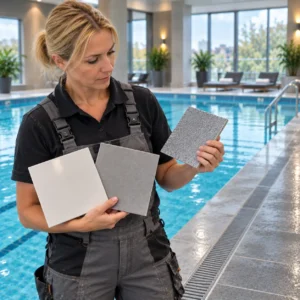
Ceramic and porcelain may seem similar, but there are crucial differences. Porcelain tiles typically go through a more refined manufacturing process, resulting in higher density and lower porosity. This can make porcelain tiles ideal for spill-prone areas liable to experience heavy foot traffic. Ceramic tiles, on the other hand, are often more budget-friendly and come in a wide variety of styles, making them suitable for many kitchen renovation goals. Considering factors like tile hardness and strength, stain resistance, and water resistance helps homeowners decide which option better suits their lifestyle and design preferences.

Factors to Consider for Your Kitchen Flooring Comparison
Traffic and usage are vital in choosing tiles for the kitchen. Porcelain tiles often excel in high-traffic spaces because of their robust, non-porous structure, while ceramic tiles can be perfect for lower-traffic areas. Aesthetics also matter. For those seeking bold statements, both ceramic and porcelain can be adapted to modern kitchen flooring designs or timeless classics. Maintenance is another pivotal concern. Porcelain tiles generally require less upkeep because of their non-porous nature, whereas ceramic tiles might need sealing if exposed to water frequently. Nonetheless, with the right installation and proper care, both offer high-quality kitchen tiling results that are durable, long-lasting kitchen flooring.
Ceramic vs Porcelain Tile for Kitchen Splashback
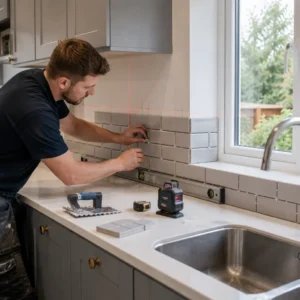
A kitchen splashback faces frequent splashes, moisture, and heat. Porcelain tiles, with their non-porous, heat-resistant properties, stand up excellently to these conditions. Ceramic tiles also perform well, especially when appropriately glazed and sealed, and can be a cost-effective way to bring a decorative flair to the kitchen. Abel Tiler London’s experience with London homes ensures we recommend and install materials that complement not only your kitchen design but also the practical needs of everyday cooking and cleaning. We also provide valuable kitchen tile cleaning tips to keep both splashback and floor tiles looking fresh and spotless for years.
Porcelain vs Ceramic Tile for Kitchen Worktop
Kitchen worktops demand hard-wearing, water-resistant surfaces that can endure regular cooking and cleaning tasks. Porcelain shines for its non-porous finish and ability to withstand high temperatures. Ceramic remains a contender for those wanting a range of styles on a more modest budget. Whether you lean towards porcelain or ceramic, our dedicated grouting and sealant process at Abel Tiler London ensures minimal moisture intrusion. We understand how vital it is to have a smooth, easy-to-clean, and visually striking work surface in your kitchen.
Bespoke Tiling Solutions from Abel Tiler London
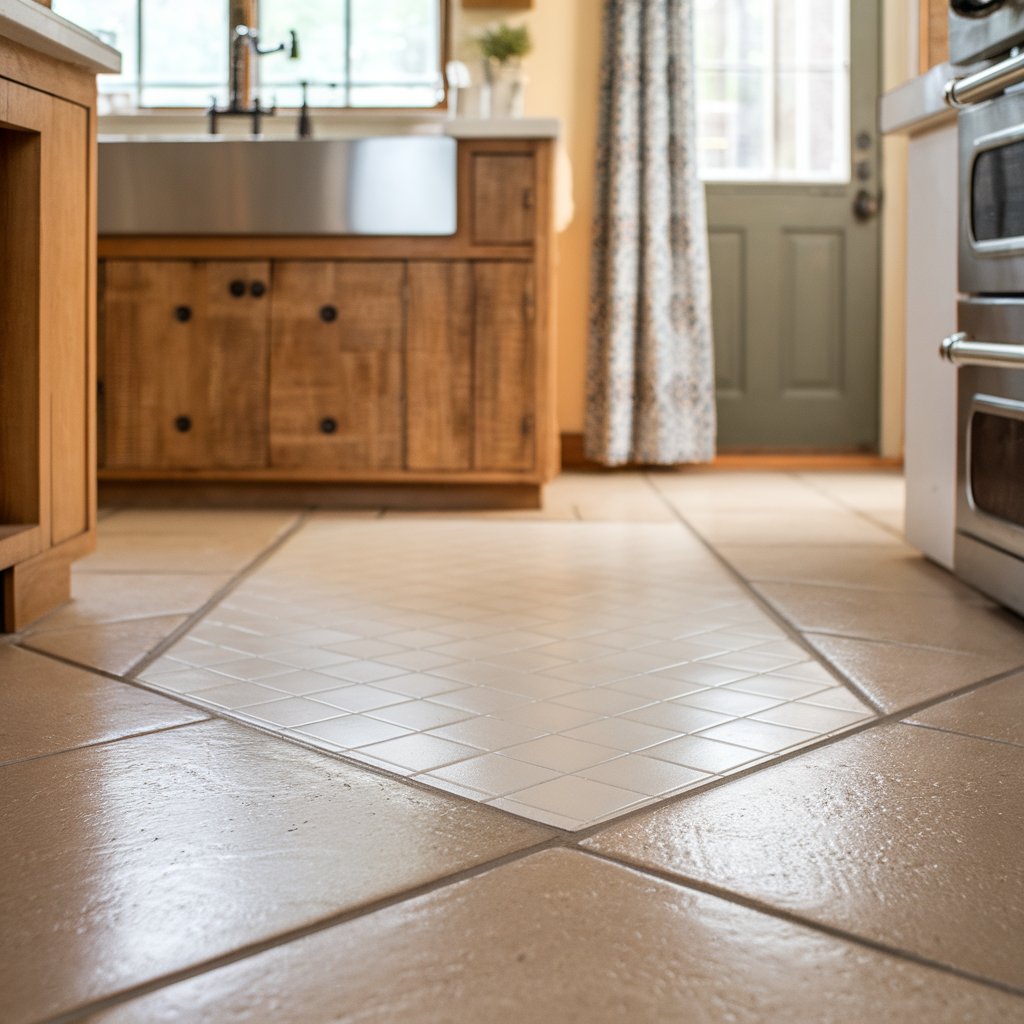
Abel Tiler London customises every tiling project to match your vision. While porcelain kitchen floor tiles might be perfect for contemporary London flats craving sleek finishes, ceramic tiles might better suit those seeking traditional or rustic vibes. We also handle underfloor heating compatibility, subfloor preparation, and any required moisture barriers, giving you confidence that every detail is addressed. Our kitchen floor tile replacement services ensure a seamless installation, whether you are replacing a single damaged tile or renovating the entire floor. Our dedication to high-end workmanship means each project receives focused attention, from tile selection to final polishing.
Additional Value-Added Services
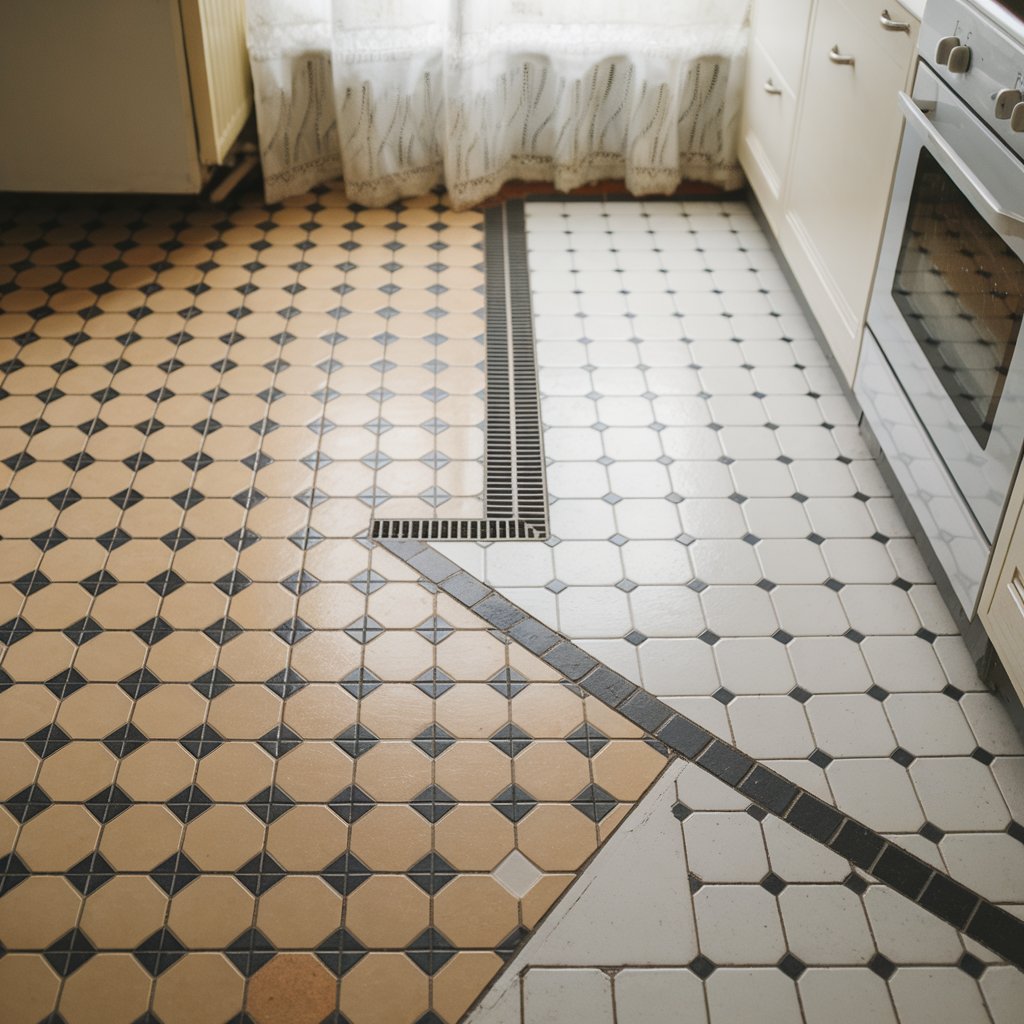
We offer grouting and sealant replacement to ensure ultimate water resistance and stain protection over time. Through careful planning, we advise on an optimal tile surface texture—matte or glossy—to balance slip resistance with visual style. We also guide you on tile density and hardness, ensuring the longevity of your kitchen floor without compromising on design. For clients keen on modern trends or classic finishes, trust our London expertise to help you achieve an impressive outcome.
Conclusion
Ceramic vs porcelain tile for kitchen floor projects is ultimately about balancing looks, budget, and durability. Both materials can transform London homes when installed by an expert team. Abel Tiler London specialises in delivering tailored results that match each client’s distinct style and functional needs, whether you choose porcelain for its superior water-resistant properties or ceramic for budget-friendly versatility. We invite you to contact us for a quote or consultation, so we can help you create a long-lasting, stylish kitchen floor that enhances both your comfort and your property’s overall value.