Introduction
Many homeowners spend time choosing tile colours, grout styles, and decorative finishes during bathroom or kitchen renovations but pay far less attention to the sealants protecting those surfaces. In reality, poorly sealed joints and corners are often where long term moisture problems begin, particularly in bathrooms, wet rooms, and kitchen splashbacks exposed to daily steam and water contact.
Choosing the right tile sealant UK homeowners can rely on is essential for protecting tiled walls, maintaining grout condition, and reducing the risk of hidden damp problems developing behind the surface. For property owners planning renovations or upgrades, investing in specialist wall tiling services in London can also help ensure tiled areas are prepared, waterproofed, and sealed correctly from the beginning.
Understanding the Role of Sealant in Tiled Areas
Many people assume grout alone waterproofs tiled walls, but grout is not designed to provide complete moisture protection. Adhesive secures the tile to the wall, grout fills the spacing between tiles, and sealant protects vulnerable movement areas and exposed joints.
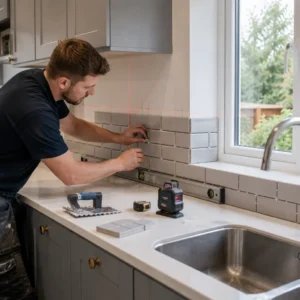
Sealants are particularly important around shower corners, bath edges, basins, wall to floor joints, and pipe openings where moisture can gradually penetrate behind the tiled surface. These areas often experience repeated movement and regular water exposure, making proper sealing especially important.
A reliable wall tile sealant creates a flexible barrier that helps stop water from reaching the surfaces beneath the tiles. This protection also supports easier cleaning and reduces staining around grout joints.
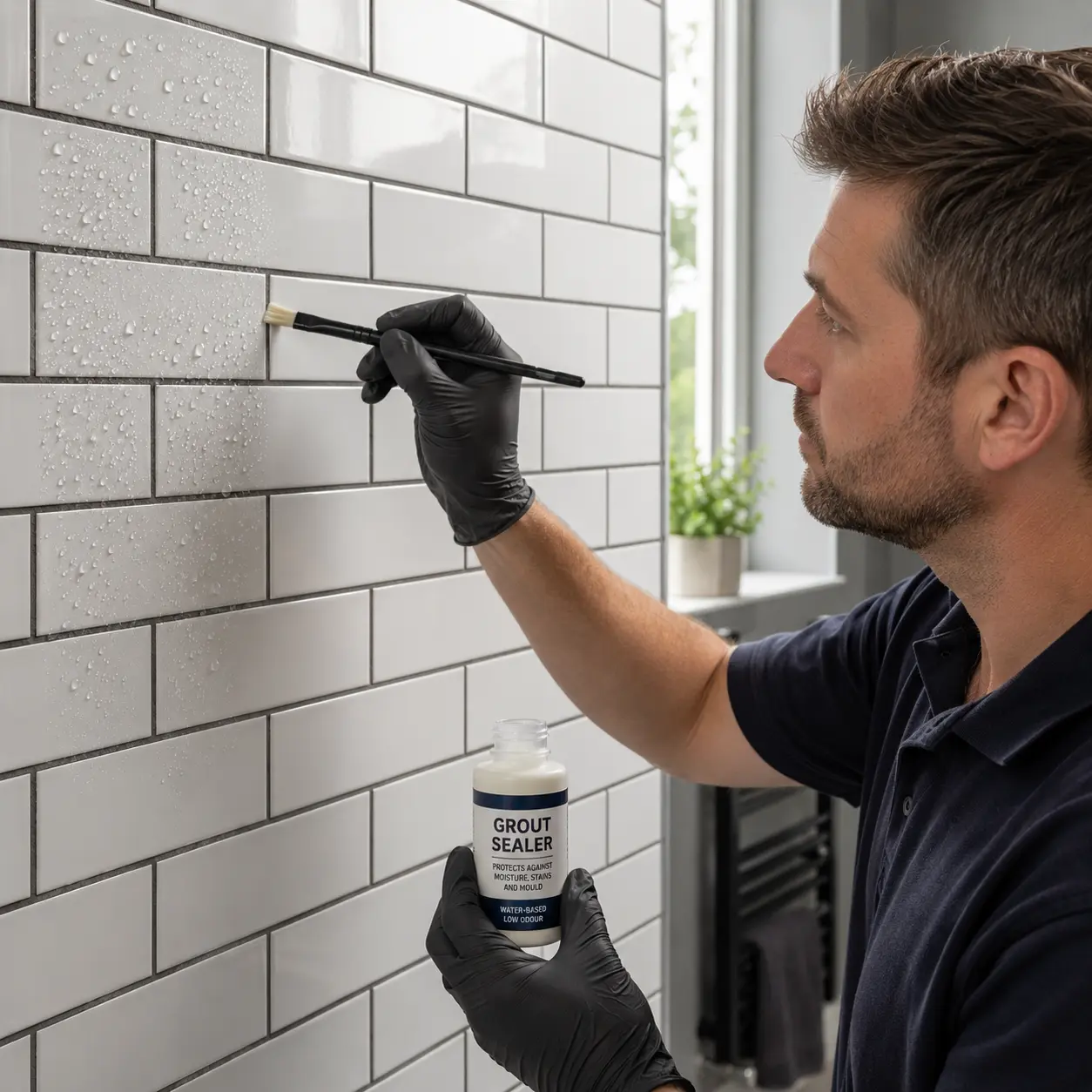
Grout sealing products work differently from silicone sealants. Grout sealant UK treatments are designed to absorb into grout lines and improve moisture resistance, while silicone products remain flexible to accommodate movement and prevent cracking around edges.
Do All Wall Tiles Need Sealing?
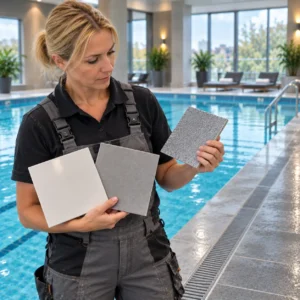
Not every wall tile requires the same level of treatment. Porcelain tiles are generally less absorbent and often arrive with a protective finish already applied during manufacturing. In many cases, the tile itself may not require additional sealing, although surrounding grout lines still benefit from protection.
Ceramic tiles may also resist moisture reasonably well, but heavily used bathrooms can still develop grout related issues if joints are left untreated. Areas around sinks, baths, and splash zones are particularly vulnerable because water repeatedly collects in the same locations.
Some materials require much greater protection than others. Natural stone surfaces, for example, should always be sealed correctly due to their absorbent structure. The type of finish, texture, and location of the tile all influence how much maintenance will be required over time.
Choosing the Best Sealant for Tiles in Wet Areas
The best sealant for tiles depends on both the tile material and the environment where it is being used. Wet rooms, swimming pool areas, and family bathrooms all place different levels of pressure on tiled surfaces.
Silicone Sealants
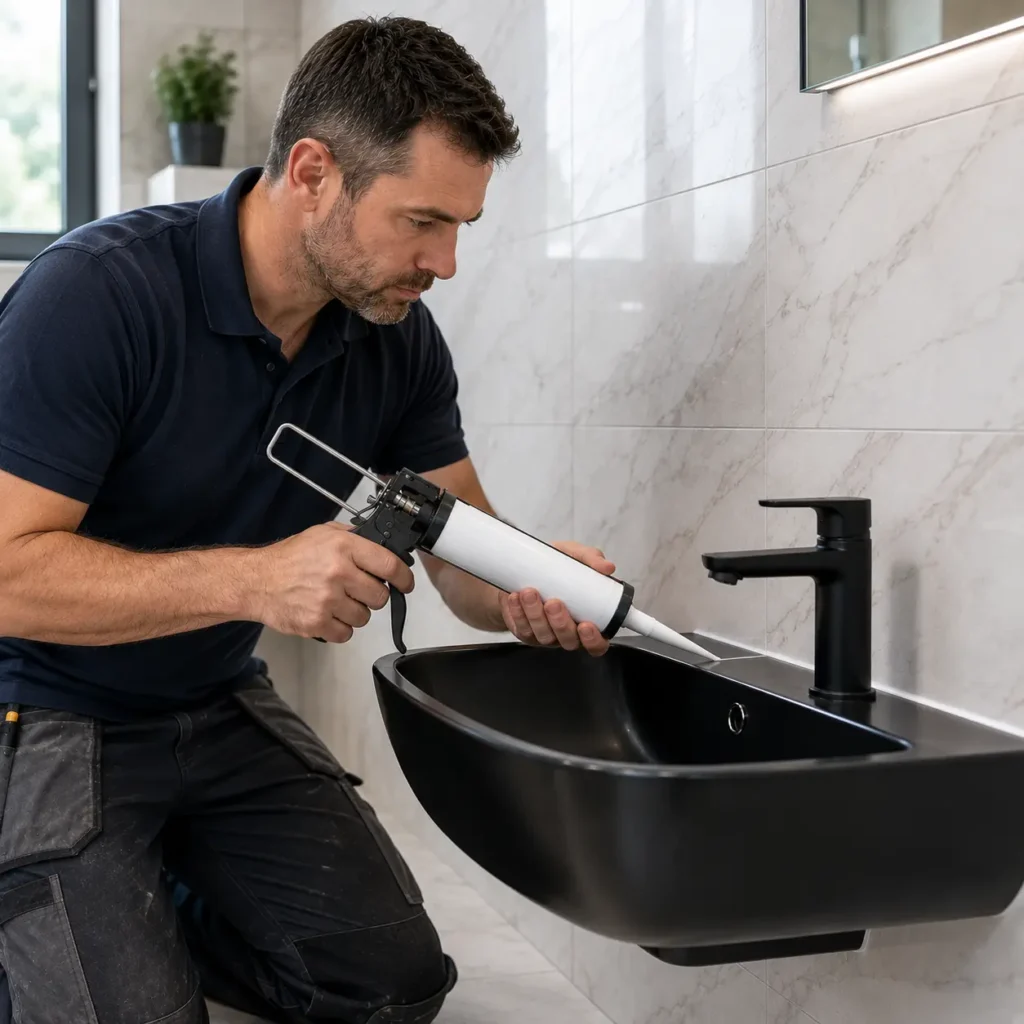
Silicone remains one of the most widely used options for bathrooms because it provides flexibility after curing. This allows it to cope with slight movement and temperature changes without splitting or shrinking.
Anti mould silicone products are particularly useful around baths, sinks, and wet room joints where steam and moisture are present daily. Correctly applied silicone helps maintain a watertight finish around corners and fittings while supporting cleaner and more durable joints.
Penetrating Sealers
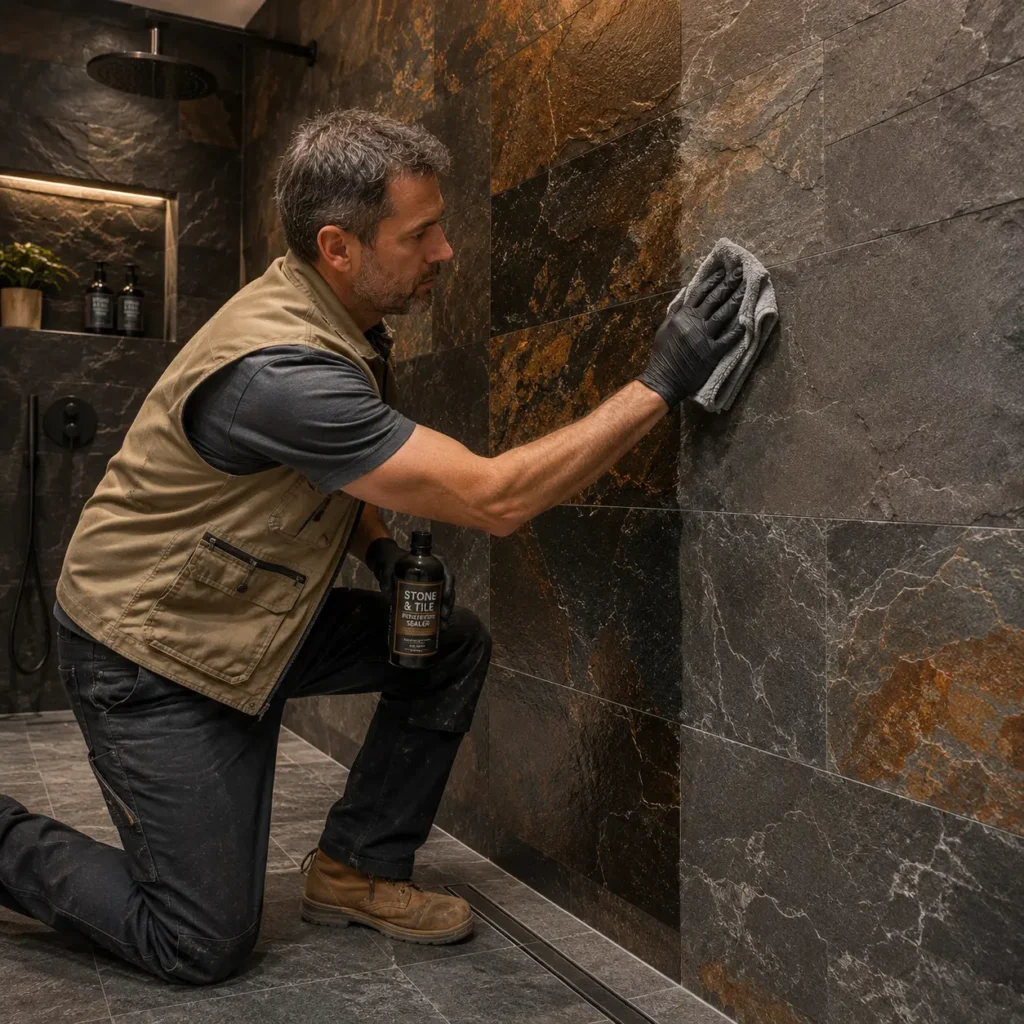
Penetrating sealers absorb beneath the surface rather than forming a visible coating. These products are commonly used on natural stone surfaces because they help limit water absorption while preserving the appearance of the material.
Slate, limestone, marble, and travertine all benefit from this type of protection. Without sealing, these surfaces can absorb moisture, soap residue, and staining much more easily than porcelain or ceramic tiles.
Surface Sealers
Surface sealers sit on top of the tile and create a protective layer against staining and surface wear. They are often used on decorative wall tiles, splashbacks, and polished finishes where maintaining appearance is especially important.
Some surface sealers can slightly deepen colour tones or enhance texture, making them suitable for feature walls and statement bathroom designs.
Common Tile Sealing Mistakes
Even good quality products can fail if applied incorrectly. One of the most common mistakes is sealing over damp grout or recently cleaned surfaces before they have dried properly. Trapped moisture may weaken the sealant bond and eventually lead to peeling or sealant failure.
Applying excessive amounts of sealant can also create uneven finishes and reduce performance during the drying stage. Sealants should always be applied evenly and carefully according to the product instructions.
Another issue is neglecting grout maintenance altogether. Many homeowners replace silicone joints when visible mould appears, but overlook the condition of the grout itself. Once grout begins absorbing water quickly, resealing is usually required.
Using harsh chemical cleaners can also shorten the lifespan of some sealants. Strong cleaning products gradually break down protective barriers and increase the likelihood of staining or cracking.
Proper Tile Sealing Techniques for Better Protection
Preparation is one of the most important parts of the sealing process. Before any sealant is applied, tiles and grout should be cleaned thoroughly to remove grease, soap residue, and dirt from the surface.
The area should then be allowed to dry completely before sealing begins. In bathrooms with poor ventilation, additional drying time is often necessary to ensure moisture does not remain trapped beneath the treatment.
Sealant should be applied evenly across grout joints and exposed areas using the correct applicator or finishing tool. Excess material should be removed carefully before the sealant begins to harden.
Most waterproof sealant for tiles products require sufficient drying time before baths, sinks, or wet areas can be used again. Rushing this stage often weakens the finished result and reduces the effectiveness of the protection.
How Often Should Wall Tiles Be Resealed?
Resealing frequency depends on the material, room conditions, and level of daily use. Wet room joints and heavily used bathroom surfaces generally require more regular maintenance than decorative tiled areas with limited water exposure.
Natural stone usually requires resealing more frequently because of its absorbent structure. Grout joints should also be inspected periodically, particularly around bath surrounds and frequently used wet areas where water exposure is highest.
One of the easiest ways to identify whether resealing may be needed is by observing how water behaves on the surface. If moisture quickly darkens grout or no longer beads lightly on sealed areas, the protective barrier may be wearing away.
Routine inspection helps identify these issues before moisture begins affecting the wall structure behind the tiles.
When Professional Tile Sealing May Be Necessary
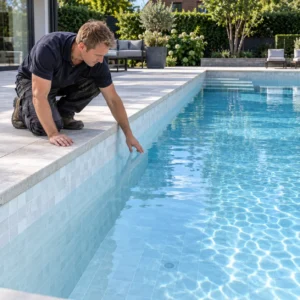
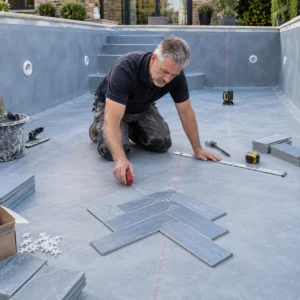
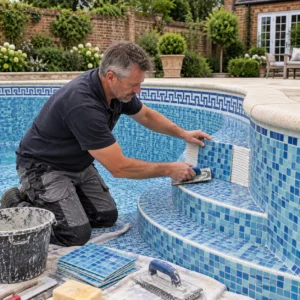
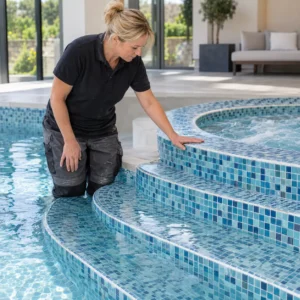
Some tiled areas are more complex to protect properly than others. Large wet rooms, swimming pool tiling, uneven surfaces, and natural stone installations often require more specialised preparation and sealing methods.
Bathrooms showing persistent mould, recurring grout cracks, or signs of water penetration may also need professional assessment to identify whether moisture has already travelled behind the tiled surface.
A professional tiler can identify hidden moisture issues, recommend suitable sealing products, and apply treatments correctly based on the tile material and room conditions.
Conclusion
Choosing suitable sealing products for wet areas plays a major role in protecting wall tiles from moisture related damage. Proper sealing helps maintain cleaner grout lines, reduces staining, and supports the overall condition of tiled surfaces exposed to regular humidity and water contact.
Whether the project involves a bathroom renovation, kitchen splashback, or office washroom, careful sealing and routine maintenance help preserve the appearance and reliability of tiled walls for years to come.
If you are planning a bathroom renovation or need advice on protecting tiled walls in wet areas, Abel Tiler provides specialist tiling services across London with careful attention to surface preparation, sealing, and long term durability.