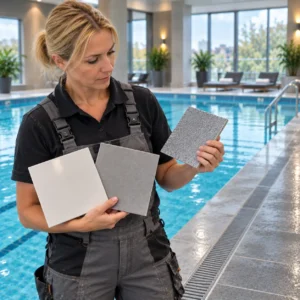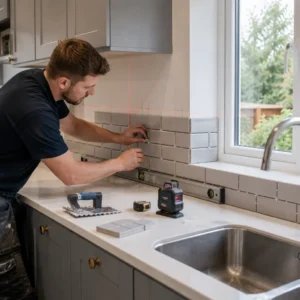
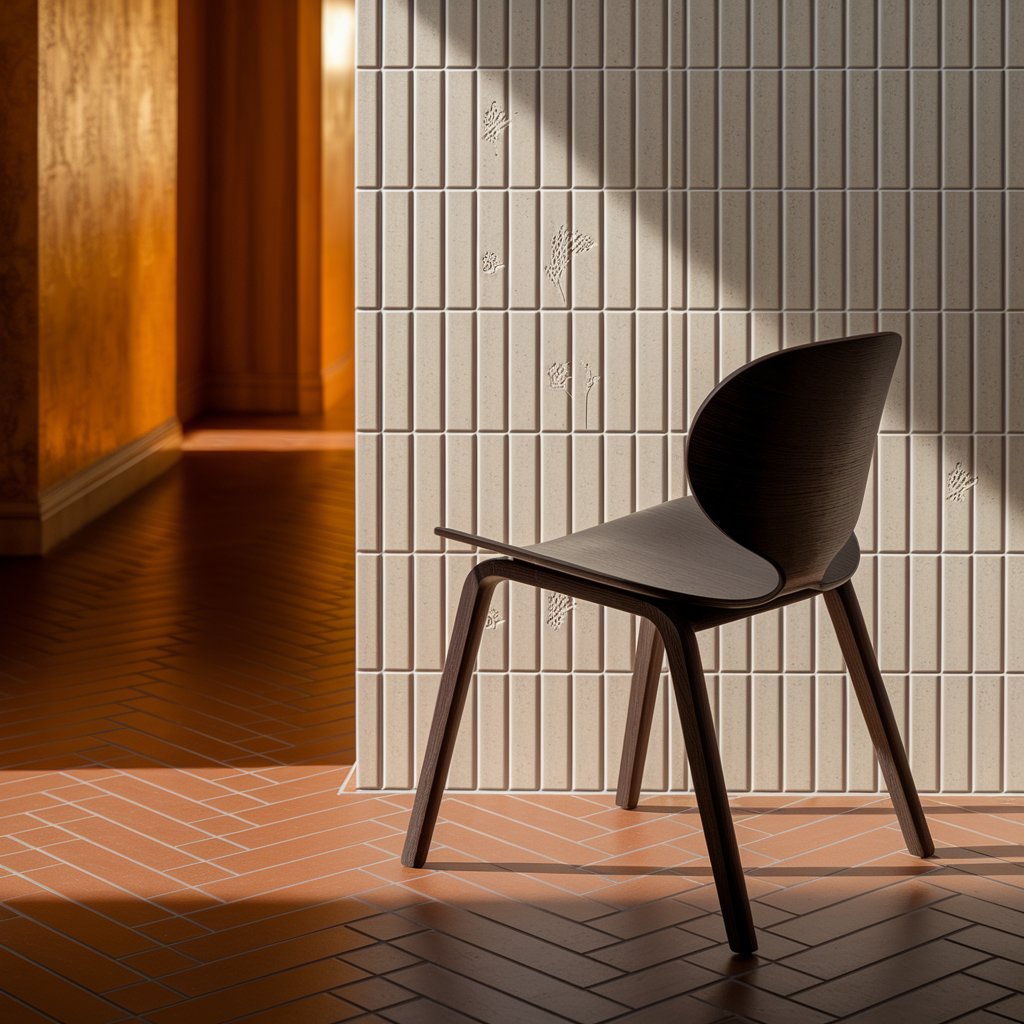
Selecting the right tile for a project can transform any space, whether it’s a modern London apartment or a historic townhouse. Homeowners often wonder what the difference is between floor and wall tile, especially when balancing style considerations with practical demands. Durability takes centre stage in busy households, and moisture resistance becomes essential in bathrooms, kitchens, or wet areas or pool surrounds. Abel Tiler’s expertise covers diverse tiling solutions, ensuring each surface receives the ideal tile for its purpose. Floor tiles demand sturdy construction, while wall tile options can be lighter. Recognising the appropriate tile for each surface simplifies maintenance, reduces potential damage, and extends longevity. Each space benefits from the correct combination of beauty, functionality, and resilience.
Floor Tiles in High-Traffic Areas
Floor tiles are designed to handle substantial wear, making them a strong choice for busy entrance halls, kitchens, and commercial spaces. In many London homes, daily foot traffic demands hardwearing finishes that resist chipping or cracking. The density of floor tile materials is typically greater, ensuring they endure consistent use and heavier loads. Commercial-grade porcelain or robust Victorian slate exemplify the durability sought after by homeowners seeking longevity without compromising style.
Wall-Only Tiles and Lighter Construction
Wall-only tiles often feature lighter materials and decorative finishes. They are thinner than floor-rated alternatives, which accommodate vertical installation without adding excessive weight to a property’s structure. In traditional London terraces, these lighter options are frequently used to achieve a classic look, especially in historic bathrooms or ornate kitchen splashbacks. Their primary focus is aesthetics, though some varieties also offer moisture resistance. They may not withstand the heavy impact floors endure, but they excel at elevating walls with patterns, colours, or textured designs that enhance interior style. Installation remains straightforward.
Differences in Strength and Weight Limits
Many property owners ask, “Are floor and wall tiles different?” A thorough understanding of tile strength ensures structural integrity. Tile weight limits on walls matter greatly, particularly in older London buildings where supporting frameworks might be less forgiving. Overly heavy tiles can cause damage or detachment over time. Professional assessment of a wall’s capacity helps maintain stable results, preventing complications and preserving the beauty of any fresh tiling endeavour. Longevity remains paramount.
Texture and Slip Resistance
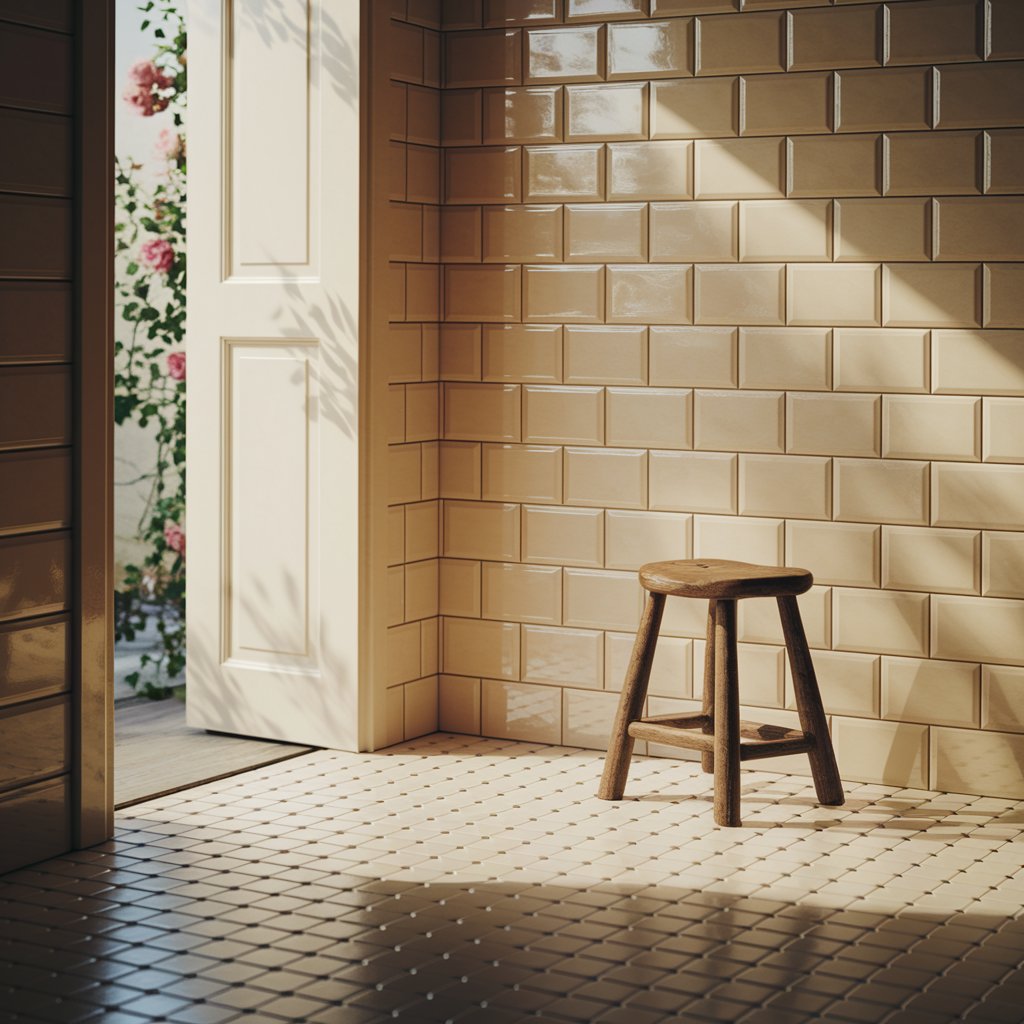
UK homeowners often appreciate slip-resistant finishes in areas exposed to moisture. This feature is particularly essential when understanding the difference between wall tiles and floor tiles. Floor surfaces typically demand grittier textures or glazed coatings that minimise slipping hazards. Wall tiles, on the other hand, may present smoother, decorative details. Consistent attention to grout lines and surface finishes further enhances overall safety, making everyday living more comfortable. Timeless design meets practical function.
Indoor and Outdoor Applications
Some homeowners wonder what the difference is between floor tile and wall tile when considering both indoor and outdoor spaces. Certain floor-rated options suit exterior surfaces like patios or garden pathways, with weather-resistant finishes that endure temperature changes and rainfall. Outdoor tiles tend to feature rougher textures that promote grip underfoot. Wall tiles in external areas might serve a decorative purpose around porches or exterior walls, but must still withstand moisture. Large-format tiles can unite indoor and outdoor aesthetics, creating seamless transitions for a unified look. Longevity remains guaranteed.
Using Floor Tiles on Walls
Floor tiles are sometimes installed on walls in modern design schemes, creating bold surfaces that showcase intricate textures or large-scale patterns. This approach can unify a bathroom’s look, covering both floors and walls with consistent bathroom wall tile materials. However, heavier and denser floor-rated tiles can be suitable for wall installation if the supporting structure is sufficient. This technique requires professional assessment to prevent weight-related issues. Many London renovators appreciate the seamless tile design for interiors and exteriors, elevating aesthetics in bathrooms, kitchens, and commercial lobbies without compromising strength. Quality installation ensures flawless results.
Modern UK Design Trends
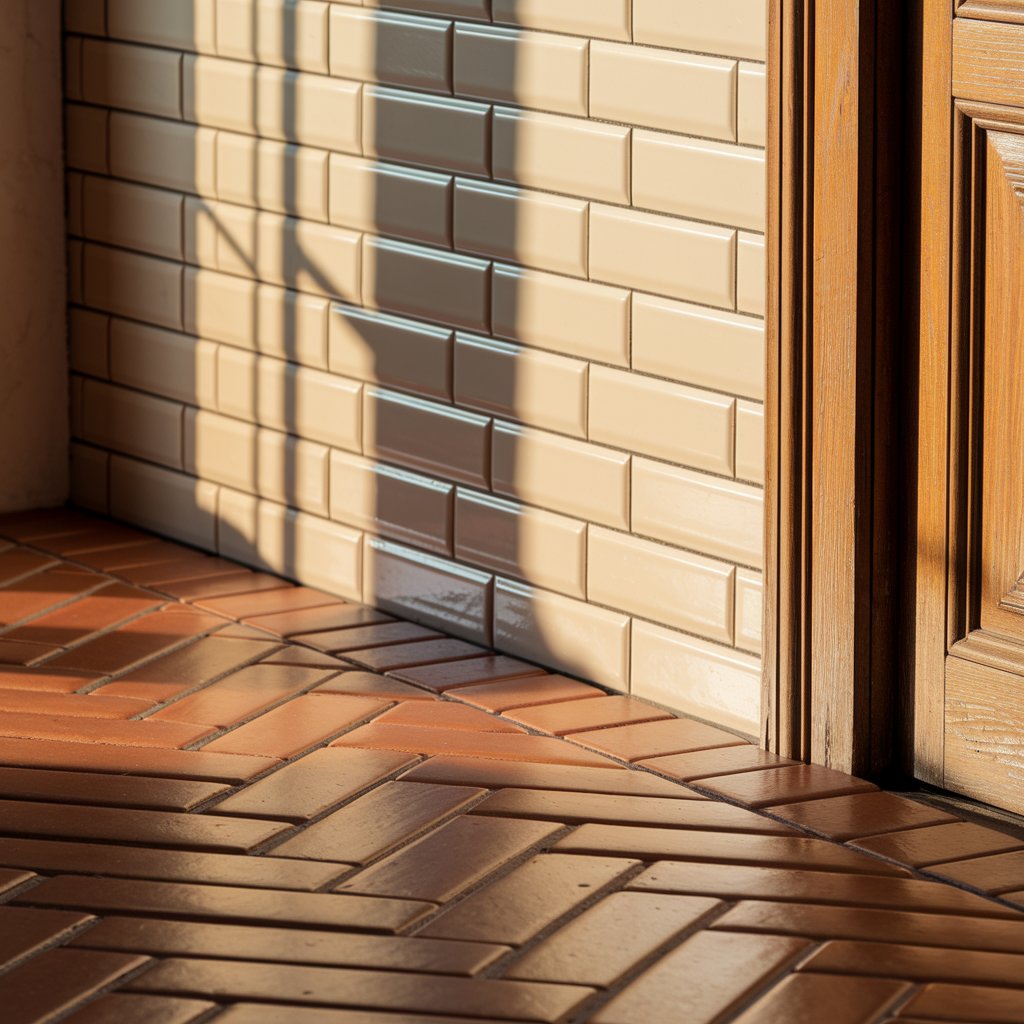
Many homeowners choose neutral tones for floors, pairing them with statement walls in bolder shades. Subtle contrasts create depth, allowing each area to feel spacious yet grounded. Porcelain remains popular for its durability and easy upkeep, while Victorian slate tiling highlights heritage elements in older buildings. Real stone styles also appeal to those seeking a natural appearance. Texture, colour, and layout harmonise to bring refined elegance. Many clients enjoy custom patterns.
Dependable Quality for Long-Lasting Results
Durability and wear resistance of floor tiles matter immensely in London homes facing rain, damp, and fluctuating temperatures. Wall-only tiles also require proper sealing for areas exposed to steam or splashes. Even small cracks or misaligned tiles may lead to water seepage, causing issues like mould or structural damage. Replacing compromised sections can be costly, so professional installation pays off in the long term. Abel Tiler prioritises reliable methods, ensuring every tile sits securely. High-quality adhesives and grouts further safeguard surfaces, granting peace of mind for years. Comprehensive workmanship ensures consistent performance.
Conclusion
Floor tiles possess the strength and texture needed to endure constant foot traffic, whereas wall tiles prioritise decorative appeal and lighter installation. In homes or commercial properties across London, understanding these distinctions helps preserve surfaces for years. wall tiling tips, such as moisture resistance, and the right material choice, all contribute to a professional finish. Incorporating premium products and expert methods results in high-quality setups that suit diverse climates and design styles. Abel Tiler delivers reliable workmanship, combining durability with aesthetic charm. Every tiling project upholds the standards of practicality, longevity, and refined elegance that meet the demands of discerning UK clients. Visual harmony remains a defining priority.