Tiling a wall is a rewarding way to revitalise a home or commercial space, especially in London, where damp weather and design preferences demand reliable finishes. Whether you’re planning a fresh bathroom upgrade or creating a sleek kitchen splashback, understanding how to tile a wall makes all the difference in achieving lasting beauty. At Abel Tiler, our approach focuses on meticulous preparation, precise measurements, and top-quality materials. From Victorian terraced homes to modern flats, every London property deserves a wall tiling solution that stands up to moisture, resists cracking, and exudes timeless style. Read on to discover professional advice that combines traditional craftsmanship with durable methods, helping you transform your walls flawlessly and enjoy a space that truly reflects your vision.
Assessing Your Space and Materials
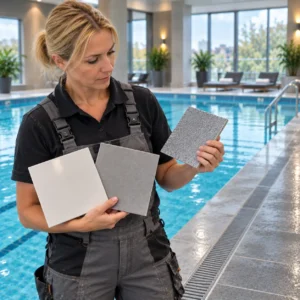
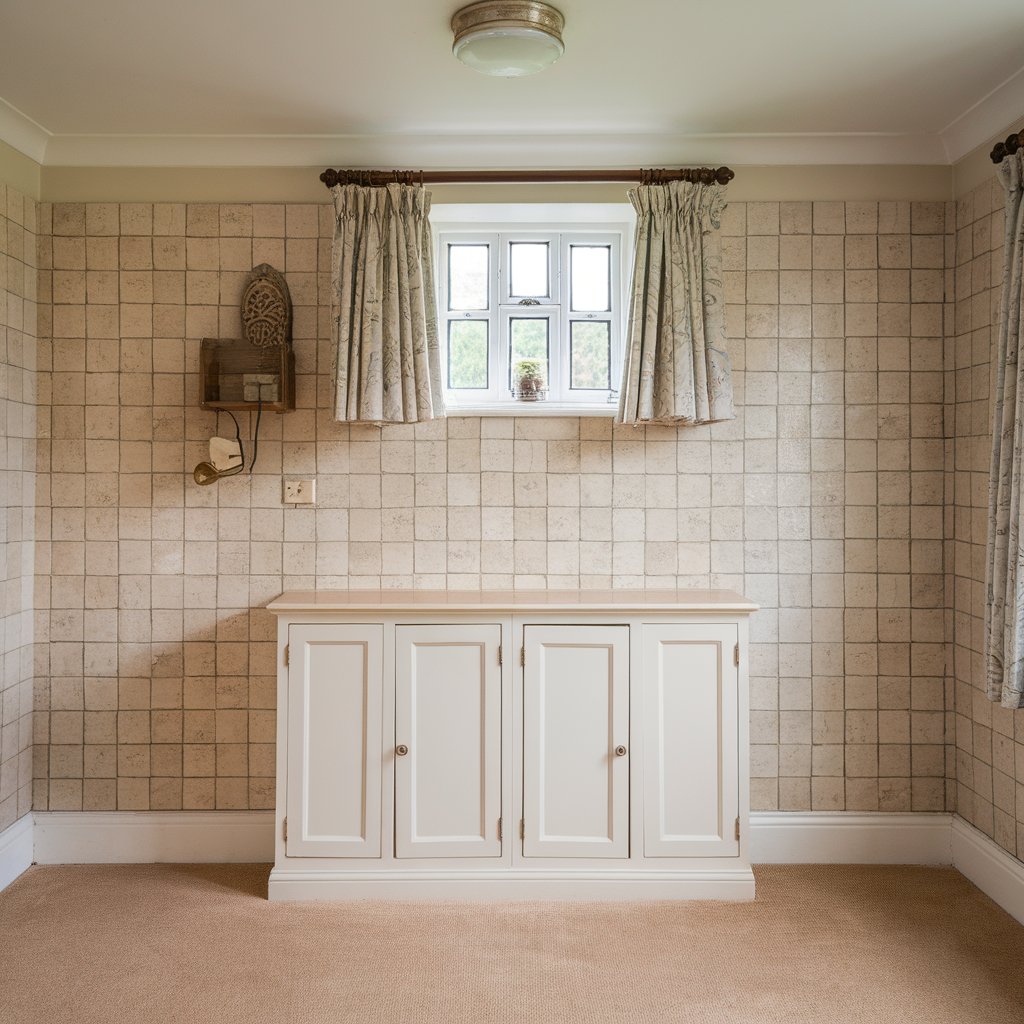
Before diving into how to tile a wall, it’s essential to evaluate the surface and plan the right materials. London homes often feature plasterboard, brick, or rendered walls that can affect how well tiles adhere. Begin by checking for any existing damage, like cracks or loose plaster. Abel Tiler always recommends addressing these issues first to ensure a firm foundation. Next, invest in durable wall tiles — whether ceramic or porcelain — that complement your decor. This careful approach keeps future problems at bay and sets the scene for a polished, long-lasting finish.
Preparing Walls for Tiling
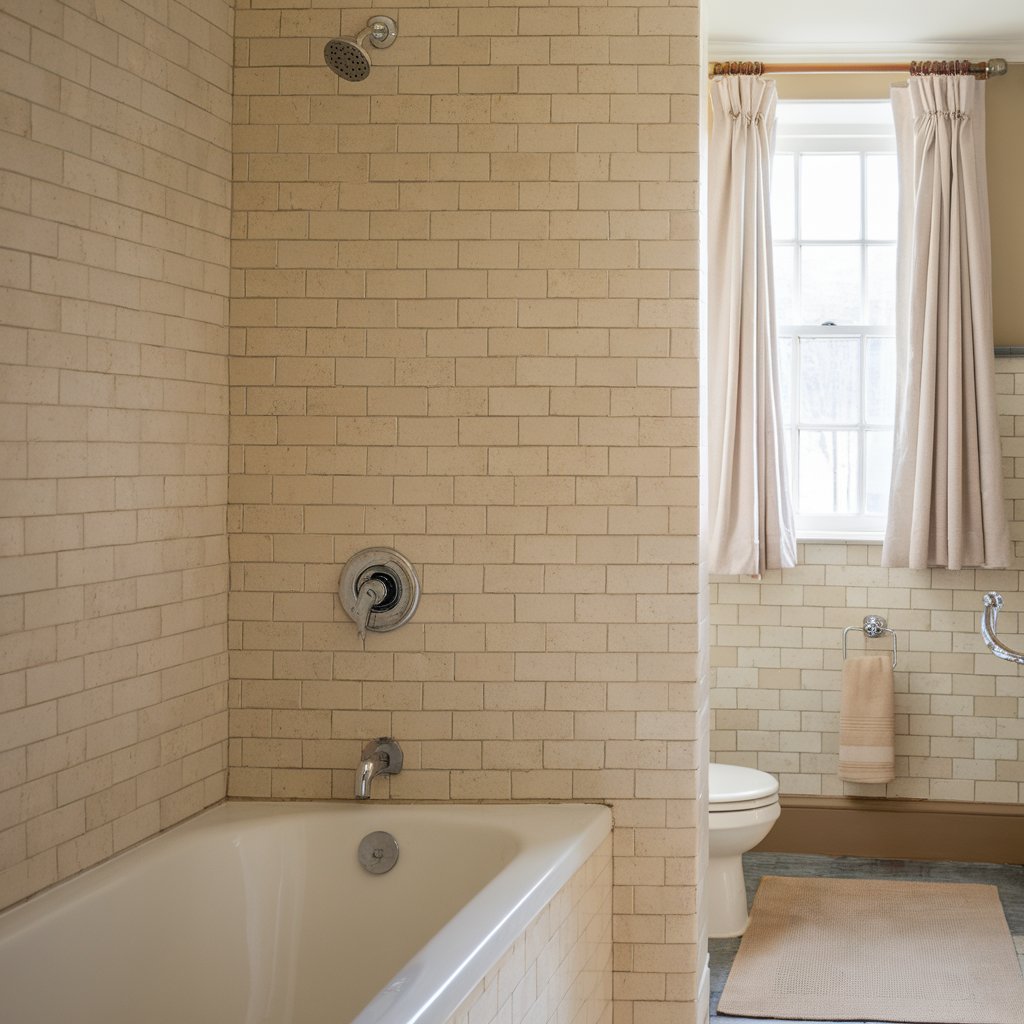
Proper preparation prevents many of the common issues homeowners face, such as moisture seeping behind tiles or uneven surfaces. Start by cleaning off any dirt, grease, or flaking paint. If necessary, use a quality primer or sealant to enhance adhesion, especially in bathrooms and kitchens where humidity is high—planning a new bathroom? Installing bathroom wall tiles requires additional waterproofing to handle London’s damp climate.
Planning Your Tile Layout
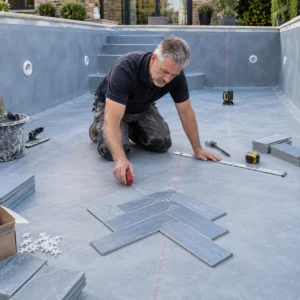
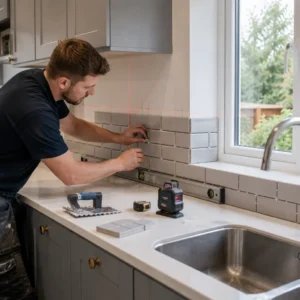
When considering how to tile a wall effectively, thoughtful tile placement is crucial. Begin with a measuring tape and pencil to mark reference lines, ensuring your final design stays neat and symmetrical. Take into account any decorative accents, window ledges, or fixtures like extractor fans. By establishing a balanced layout, you reduce the likelihood of awkward offcuts. Abel Tiler often uses small spacers between tiles for consistent spacing, creating a visually pleasing result that also allows for uniform grouting.
Measuring and Cutting Wall Tiles
Use a reliable tile cutter or wet saw for smooth edges, especially when dealing with porcelain or slate. Remember that corner angles in older London homes can be less than perfect. Always check angles before you cut, allowing for easier adjustments and less wastage in the long run.
Applying Tile Adhesive and Spacers
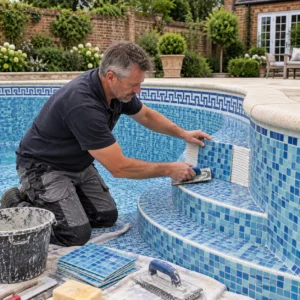
Learning how to tile walls confidently starts with selecting the right adhesive. Pick an adhesive suited to your tile type — ceramic or porcelain — and mix as directed. Spread it evenly using a notched trowel, working on a small area at a time to keep the adhesive from drying prematurely. Carefully set each tile in position, using spacers to ensure even spacing throughout.
Grouting and Finishing Touches
Once the tiles have fully set, the next step is grouting. Spread grout into the tile gaps with a rubber float, working it thoroughly to remove air pockets. Wipe away excess, but let the grout settle for a short time before polishing the surface with a damp sponge. Sealing grout and finishing touches help prevent discolouration and mould growth, especially important in London’s wet climate. A smooth, clean grout line is more than just cosmetic — it also seals out moisture, preserving the integrity of your tiled walls.
Ceramic vs Porcelain Wall Tiles
Selecting between ceramic and porcelain tiles largely comes down to your budget, durability requirements, and personal style preferences. Ceramic is often cost-effective and comes in an extensive range of styles, while porcelain boasts a denser composition that resists moisture and impact more effectively — making it ideal for busy households. Abel Tiler’s experience shows that either option can look stunning when properly installed. By factoring in usage, location, and colour palette, our team can help you find the perfect match for your walls.
Maintenance and Cleaning Tips
Clients often ask how to keep newly installed tiles looking flawless. Routine cleaning with mild, pH-neutral products prevents grime buildup. London’s moisture-heavy environment makes ventilation important — open windows or use extractor fans to reduce dampness, which can lead to mould or mildew. When it’s time for deeper cleaning, avoid overly abrasive tools that might damage grout lines. Regular checks for any cracks or loose tiles ensure issues are addressed early, preserving that pristine appearance for years to come.
Conclusion
A beautifully tiled wall can completely transform a room, creating a surface that stands up to London’s changing climate while enhancing the property’s style and value. From careful planning and adhesive selection to grouting and final touches, expert workmanship ensures flawless, lasting results. Abel Tiler specialises in bringing these techniques to life, offering personalised advice, high-quality materials, and skilled installation methods. Whether refreshing a bathroom or perfecting a kitchen splashback, our team is ready to help. Contact Abel Tiler today to transform your space with professional floor and wall tile services across London.