Introduction
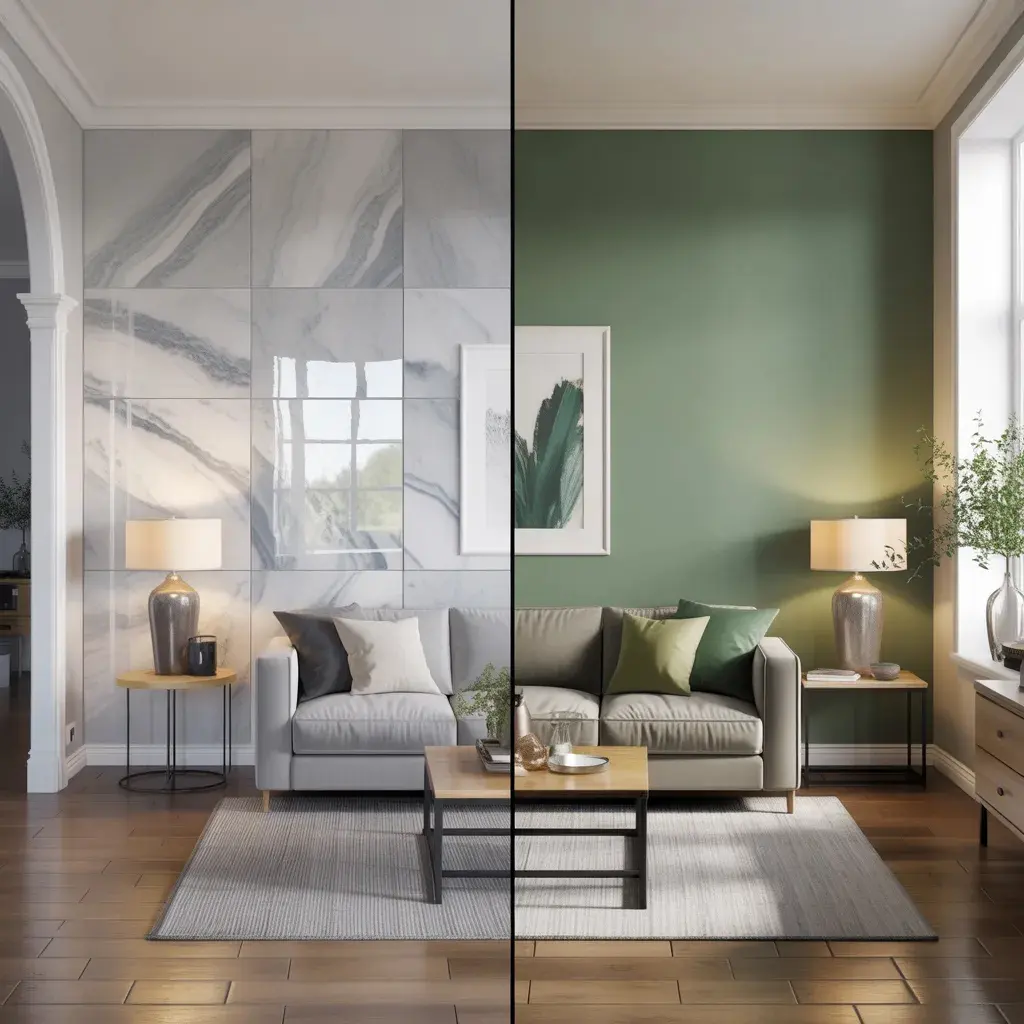
Choosing between feature wall tiles and painted walls affects more than how a space looks; it shapes how that space behaves once it’s used every day.
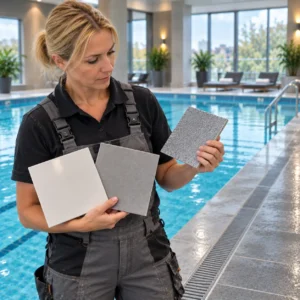
In UK homes, walls are exposed to everything from daily contact to humidity and cleaning routines. Looking beyond colour and finish, and focusing on how each option holds up once daily life begins, helps ensure the right choice is made from the outset especially when considering professional wall tiling in London.
Wall Tiles vs Painted Walls: Key Differences
Paint provides flexibility. It allows for quick updates and works well in spaces where change is expected. However, its coating is more exposed to wear.
Tiles form a fixed outer layer. Once installed, they create a more dependable wall finish that is less affected by contact, cleaning, or environmental changes, setting the baseline for how each option behaves.
How Each Surface Handles Daily Use
In busy areas, the difference becomes visible quickly. Painted walls begin to show marked fingerprints near switches, scuffs along walkways, and uneven fading where furniture sits close.
Tiles don’t show wear in the same way. The finish holds its look, so the wall continues to appear clean and uniform rather than gradually worn.
Comparing Long-Term Value
Painting may seem cost-effective at first, but most walls require repainting every few years. Labour, materials, and preparation costs repeat with each cycle.
Tiling avoids this pattern. Once installed, upkeep becomes predictable rather than recurring, reducing the need for repeated investment over time.
Repair and Replacement Considerations
Over time, all wall finishes may require some level of repair. Painted walls are easier to touch up, but matching colours and finishes can sometimes be challenging, especially after fading.
Tiled walls, on the other hand, are more resistant to daily wear, but repairs can involve replacing individual tiles if damage occurs. Keeping spare tiles from the original installation can make this process more straightforward and maintain consistency across the surface.
Cleaning and Upkeep
After cooking splashes or everyday marks, painted walls can be difficult to restore fully. Even when cleaned, patches can remain visible.
Tiles reduce the effort involved. A simple wipe is usually enough, saving time and making routine cleaning quicker rather than something that needs careful handling.
Performance in Moisture-Prone Areas (Bathrooms & Kitchens)
Rooms like bathrooms and kitchens expose walls to constant steam, water contact, and temperature changes.
Paint struggles under these conditions. Over time, the coating can deteriorate, leading to peeling, softening, or visible damage.
Tiles act as a barrier. They help prevent moisture from reaching the structure behind, protecting what sits behind it rather than just the visible layer.
Design Possibilities with Feature Wall Tiles
Creating a Focal Point
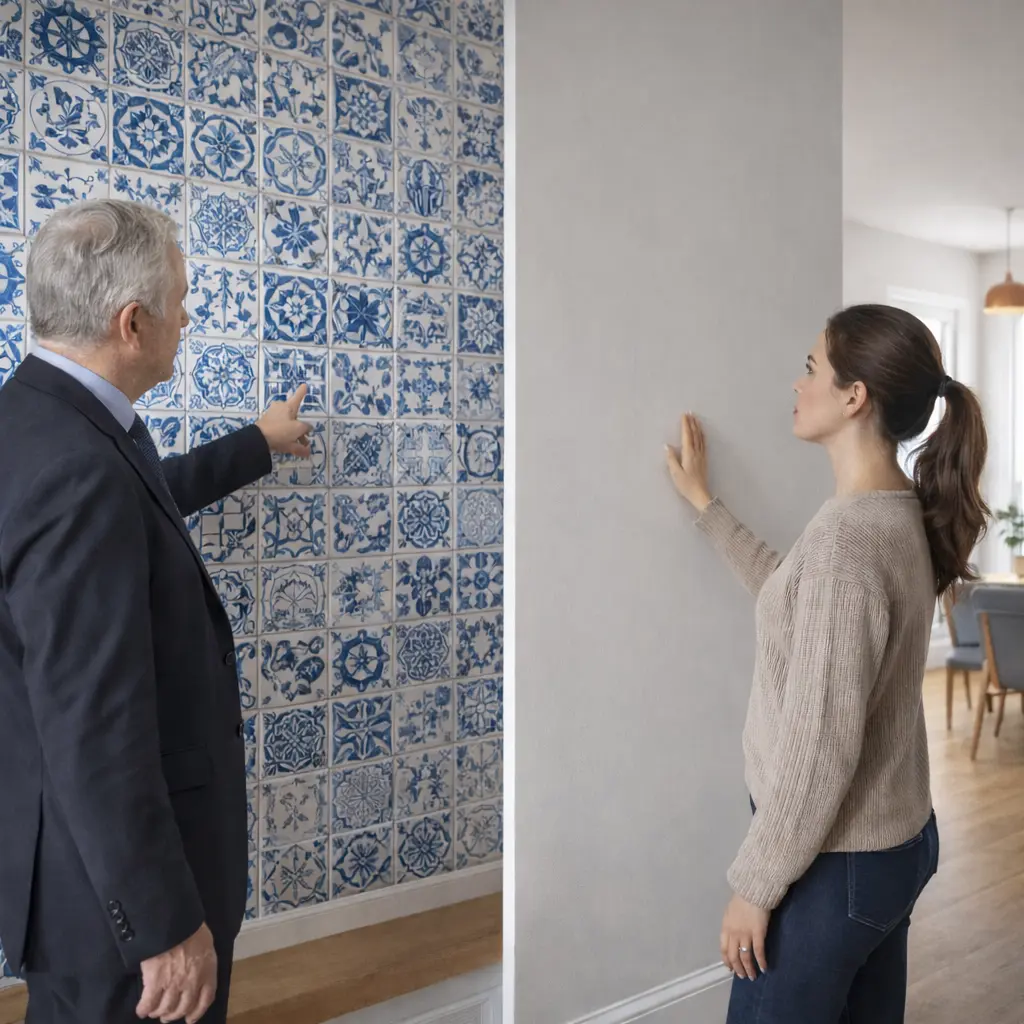
Feature wall tiles can turn one wall into a standout element, adding contrast or pattern without overwhelming the room.
This makes them effective in both modern and traditional interior design where a single wall defines the space visually.
Styles and Finishes Available
Tiles are available in a wide range of finishes from subtle matt textures to bold patterns and natural-look options.
This allows design choices to be tailored room by room, rather than relying on a single approach across the entire home.
Layout and Colour Options
Tile feature wall ideas go beyond colour alone. Layout patterns, grout contrast, and tile sizing all influence the final result.
Unlike paint, which depends mainly on shade, tiles introduce depth and structure, changing how the wall reads within the room.
Installation and Practical Considerations
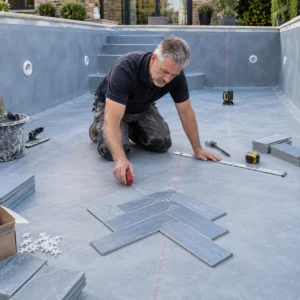
Preparing the wall properly before tiling is critical, including cleaning, levelling, and repairing any uneven areas. A well-prepared base ensures strong adhesion and reduces the risk of movement or failure over time.
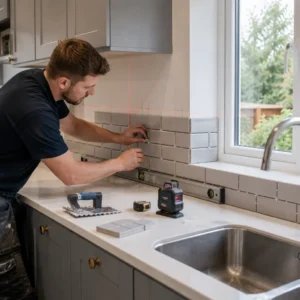
Layout planning then ensures the completed wall runs level and true from edge to edge.
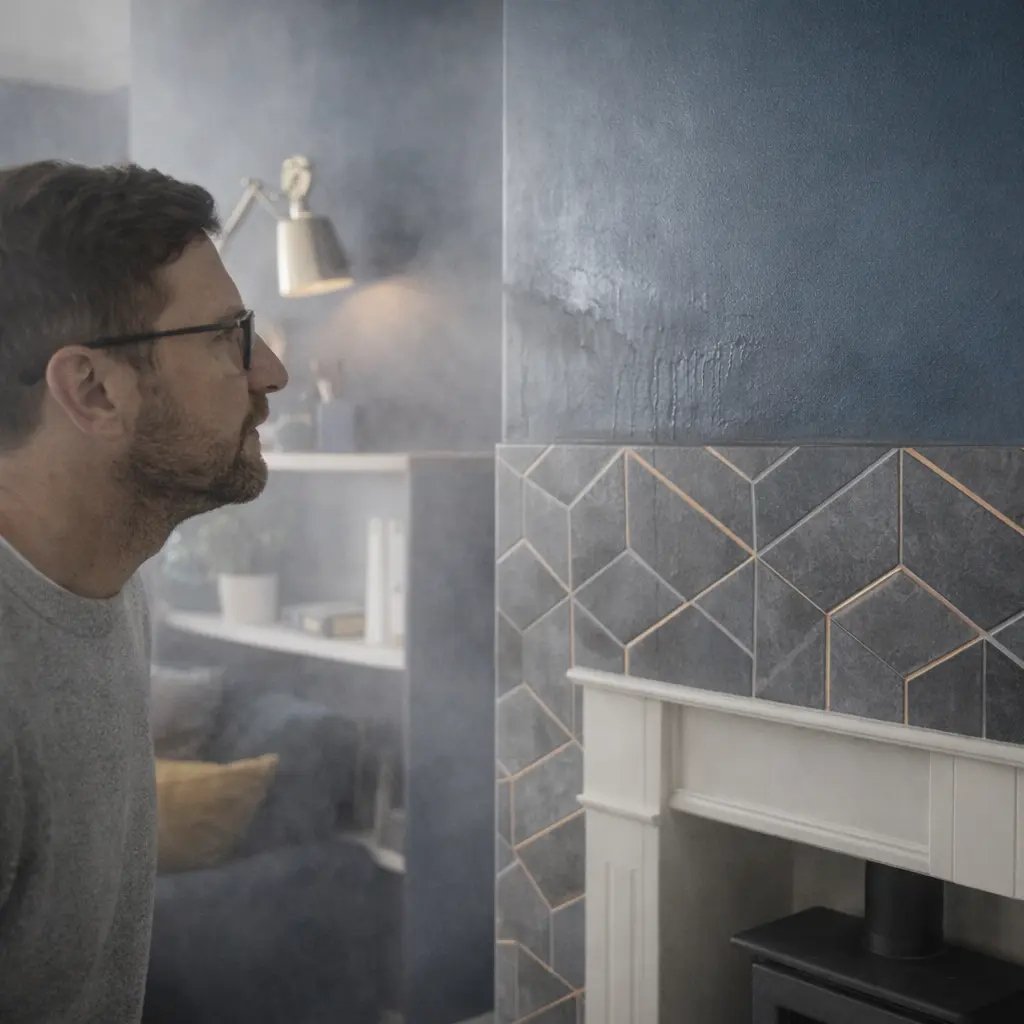
Feature wall tiles can sometimes produce a hollow sound when bonding is incomplete, highlighting the importance of proper surface preparation and adhesive application.
Choosing the Right Option for Your Space
The right choice depends on how each room is used:
- Bedrooms and low-use areas: paint works well where flexibility matters
- Kitchens and hallways: tiles handle regular contact more effectively
- Bathrooms and wet areas: tiled walls provide added protection
- Design-led spaces: tiles introduce texture, contrast, and dimension
- Short-term updates: paint allows quicker changes with lower upfront effort
This isn’t about one option always being better; it’s about choosing what fits the way the space is actually used.
Why Professional Tiling Matters
Professional tiling plays a key role in ensuring that the finished surface performs as expected over time. Beyond simply fixing tiles in place, it involves careful preparation, accurate measurement, and consistent application techniques that influence both durability and appearance.
Experienced tilers assess the condition of the wall before starting, making necessary adjustments to create a stable base. This helps prevent issues such as uneven alignment or weak bonding that may not be immediately visible but can affect long-term performance.
At Abel Tiler, each project is approached with attention to detail, from checking surface levels to applying adhesive evenly and maintaining precise alignment throughout the installation. This ensures a clean, consistent finish that remains secure under everyday use.
By handling every stage with care, professional tiling delivers results that not only look well-finished but also stand up to the demands of daily living.
Conclusion
The effectiveness of any wall tiling project is determined by how well each stage is planned and executed. From selecting suitable materials to ensuring proper installation, every step contributes to how the surface performs over time.
Rather than focusing only on the initial appearance, considering long-term reliability helps achieve a more dependable outcome. A well-installed tiled wall requires less ongoing attention and maintains its condition with minimal effort.
Taking a considered approach from the beginning supports a finish that remains stable, visually consistent, and suited to the demands of daily use.