Introduction
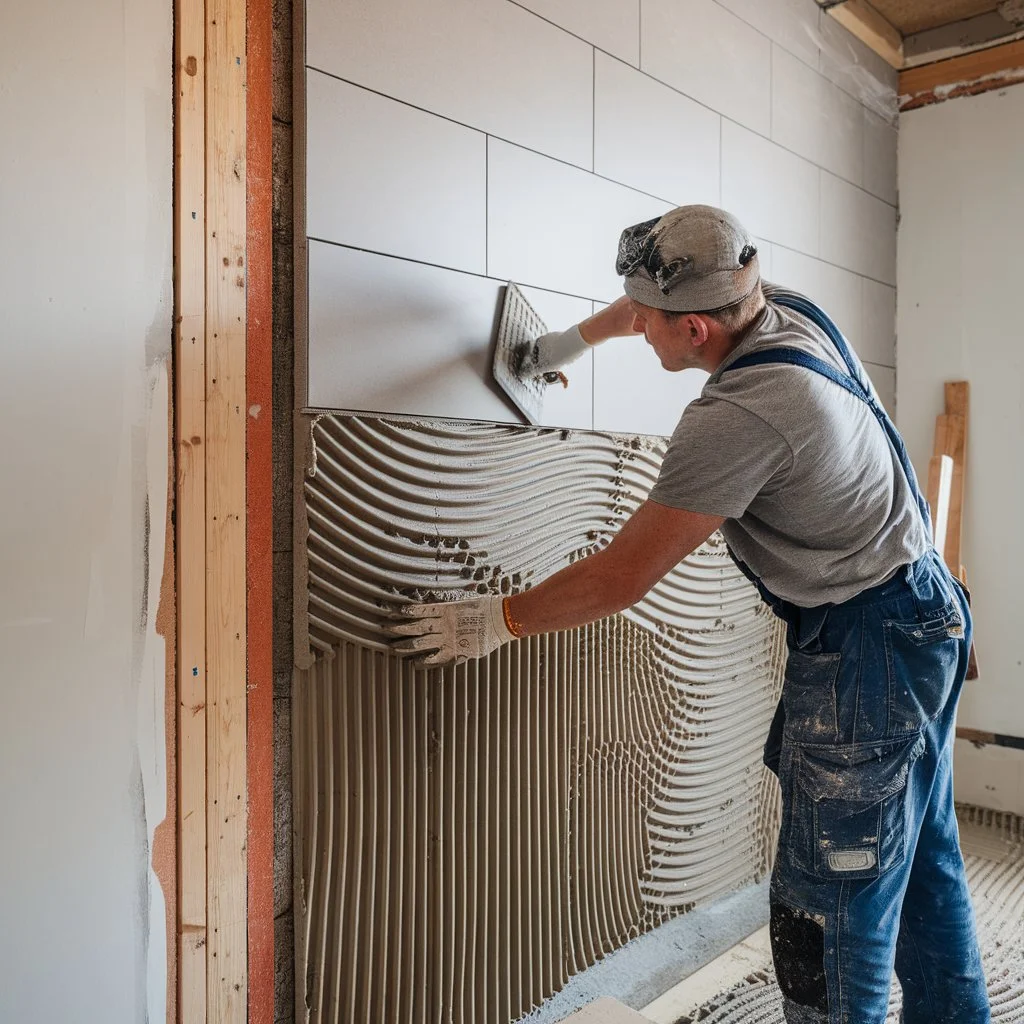
When planning wall tiling in London homes, the adhesive behind the tiles plays a crucial role in how long the finish will last. Flexible adhesive for wall tiles is often necessary in properties where walls may shift slightly or where temperature changes affect surfaces over time. Whether installing modern tiled feature walls, upgrading interior wall finishes, or choosing precision wall tile installation for a renovation, understanding when flexibility is required ensures the tiles remain secure and stable. The right adhesive strengthens the bond, supports movement control, and protects your investment.
What Makes Flexible Adhesive Different
Flexible adhesive contains added polymers that allow it to cope with minor wall movement without losing grip. Standard cement adhesive sets rigidly. Flexible adhesive, by contrast, has slight give once cured, meaning it can absorb natural shifts within the wall.
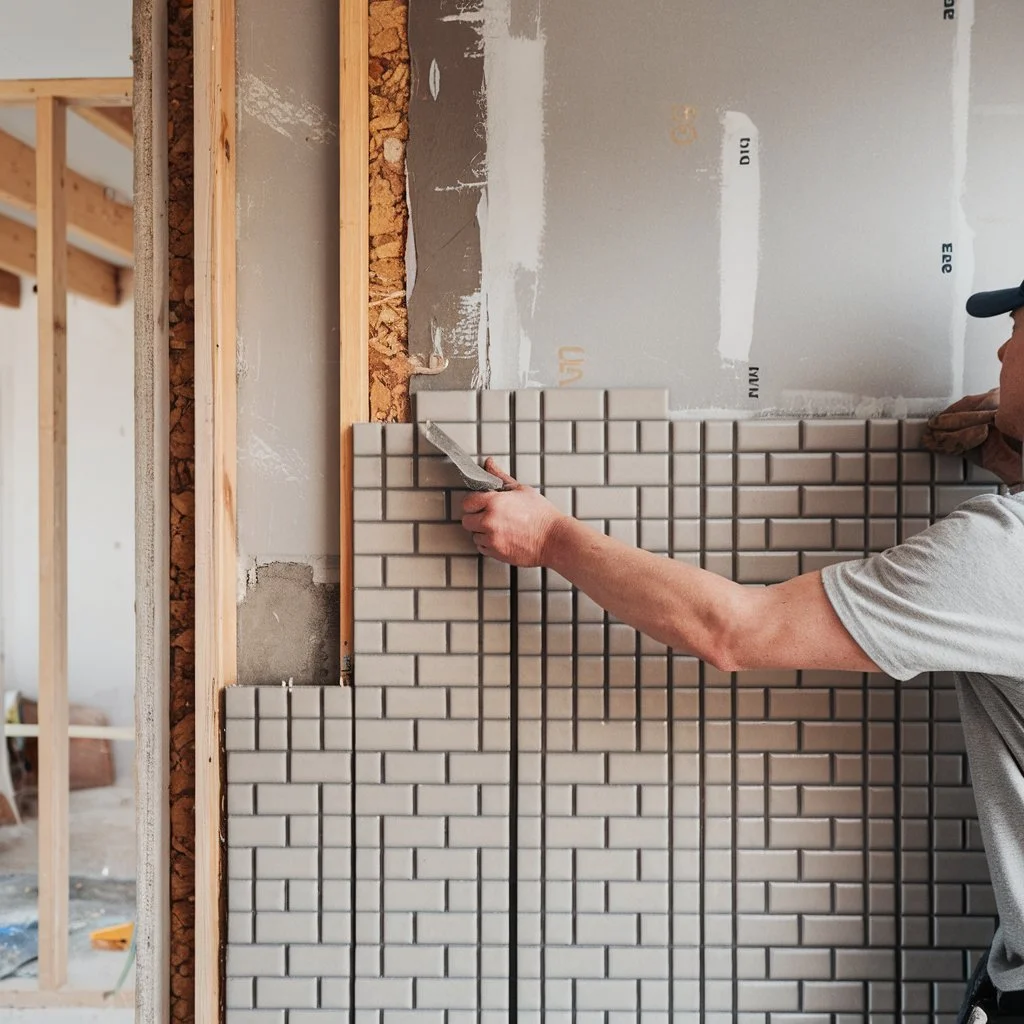
In many UK homes, especially those with plasterboard or stud partitions, small levels of movement are normal. Flexible cement based wall tile adhesive is designed to work with this movement rather than resist it. This added adaptability helps maintain a firm and consistent bond over time.
Flexible vs Standard Tile Adhesive
Understanding flexible vs standard tile adhesive helps clarify when flexibility is worth choosing. Standard adhesive performs well on solid brick or concrete walls where there is little to no movement.
However, modern construction methods often include lightweight partition walls. These walls can flex slightly when doors close or temperature changes occur. Flexible tile adhesive for wall tiling provides additional reassurance in these situations by helping prevent tension from transferring directly into the tile surface.
This difference becomes particularly important when installing larger or heavier wall tiles.
When to Use Flexible Adhesive for Wall Tiles
Knowing when to use flexible adhesive for wall tiles depends on the surface and tile type involved. Flexible adhesive is generally recommended in the following cases:
- Tiling onto plasterboard with flexible adhesive
- Adhesive for stud partition walls
- Adhesive for large-format wall tiles
- Adhesive for heavy porcelain wall tiles
- Tile adhesive for high moisture areas
- Adhesive for tiling over existing wall tiles
Where moderate movement may occur, S1 flexible adhesive for walls is typically suitable. For larger formats or heavier tiles, S2 adhesive for large-format wall tiles offers greater flexibility and strength.
What Does C2S1 Tile Adhesive Mean
C2S1 tile adhesive meaning refers to its official classification under BS EN 12004 tile adhesive standards. These ratings are designed to indicate performance level.
C2 means the adhesive has improved bonding strength compared with basic cement adhesive. S1 indicates that it is deformable, meaning it can accommodate slight movement without failure.
This deformable tile adhesive classification ensures wall tile bond strength requirements are met in everyday UK property conditions. Understanding these ratings helps homeowners feel confident about long-term durability.
Flexible Adhesive in Moisture-Exposed Areas
In areas exposed to humidity or steam, tile adhesive for high moisture areas should maintain strong adhesion. Flexible adhesive supports this by adapting to minor expansion and contraction that can occur due to temperature and moisture changes.
Bathroom wall flexible adhesive requirements are particularly relevant where walls may experience seasonal shifts. When homeowners are selecting finishes such as glossy or matte tiles for bathroom walls, the choice of adhesive remains equally important to ensure those tiles stay firmly fixed despite ongoing moisture exposure. The additional flexibility supports stable performance without compromising tile alignment or finish quality.
Large-Format and Heavy Wall Tiles
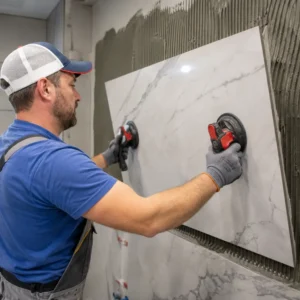
large-format tiles have become increasingly popular in London homes for their seamless and contemporary appearance. However, larger tiles place more stress on the wall surface and adhesive layer.
Adhesive for large-format wall tiles must provide consistent support across the entire tile. Polymer-modified tile adhesive improves coverage and grip. Flexible adhesive distributes pressure more evenly and helps maintain a secure and balanced installation.
This is especially important with heavy porcelain wall tiles, which require strong and reliable bonding.
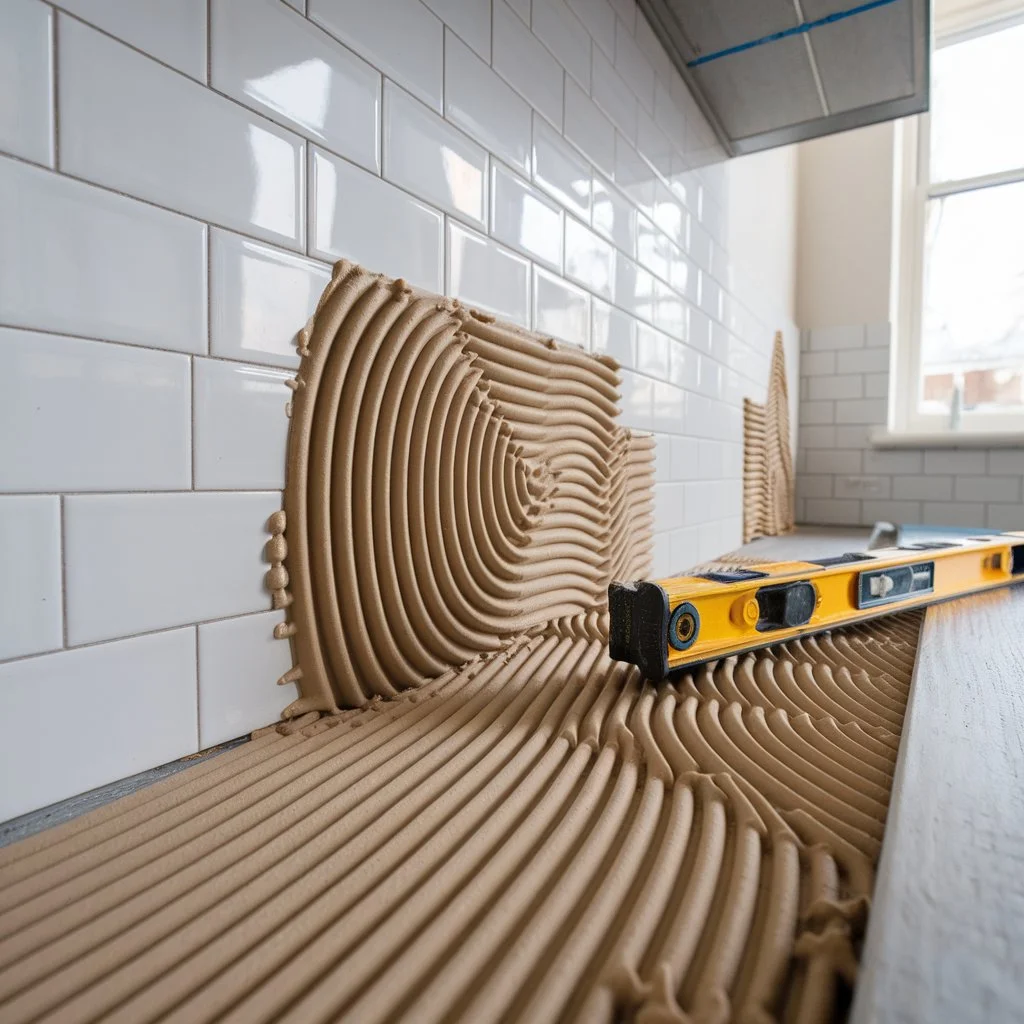
Simple Comparison: Standard vs Flexible Adhesive
| Standard Adhesive | Flexible Adhesive |
| Best for solid brick or concrete walls | Suitable for plasterboard and stud walls |
| Sets rigid once dry | Allows slight movement without cracking |
| Ideal for smaller tiles | Better for large or heavy wall tiles |
| Basic bonding strength | Improved bonding strength and flexibility |
This simple comparison shows why flexibility can make a noticeable difference in certain installations.
Why Professional Adhesive Selection Matters
Choosing the best adhesive for wall tiles is not simply about selecting the strongest product. It requires understanding the wall surface, tile weight, and environmental conditions.
Adhesive for plasterboard walls must differ from adhesive used on solid masonry. Wall tile adhesive for movement control ensures surfaces remain secure even as buildings naturally settle. When to use ultra-flexible tile adhesive depends on the scale and demands of the project.
Abel Tiler carefully assesses each wall before installation. By selecting the appropriate flexible tile adhesive for wall tiling, every project is completed to UK standards with stability and precision.
Ensure Secure and Durable Wall Tiling with Expert Installation
Using flexible adhesive for wall tiles enhances bond strength, supports movement control, and improves long-term durability in British homes. Choosing products that meet BS EN 12004 tile adhesive classification ensures reliability and peace of mind.
Abel Tiler specialises in professional wall tiling across London, combining expert preparation with careful adhesive selection. From lightweight partitions to heavy porcelain finishes, each installation is completed with craftsmanship and attention to detail.
Contact Abel Tiler today to achieve professionally installed wall tiling designed for strength, durability, and lasting performance.