Many London homes face the same design challenge, making rooms feel more open without major structural changes. From compact bathrooms in Victorian terraces to snug living spaces in modern flats, clever wall tiling choices can make a noticeable difference. Understanding vertical vs horizontal wall tiling helps homeowners use space more effectively through visual balance rather than costly extensions.
Tile orientation plays a quiet but powerful role in how a room feels. The direction of wall tiles influences height, width, and flow, shaping how the eye moves across a space. Choosing the right wall tiling solution early on helps create layouts that feel balanced, durable, and easy to live with. With experience across London properties, Abel Tiler helps clients choose layouts that feel natural, well proportioned, and suited to the realities of the UK climate.
How Wall Tile Orientation Influences Room Perception
Wall tile orientation affects how a room is perceived the moment you step inside. The human eye naturally follows lines, so tile direction guides attention either upwards or across the walls. This visual movement changes how spacious or enclosed a room feels, even when the dimensions remain the same.
In London homes where space is often limited, using wall tile orientation thoughtfully helps counter tight layouts or low ceilings. Vertical and horizontal tile layouts each serve a different purpose, and understanding how tile direction and room perception work together allows homeowners to create a more comfortable visual balance without overwhelming the space.
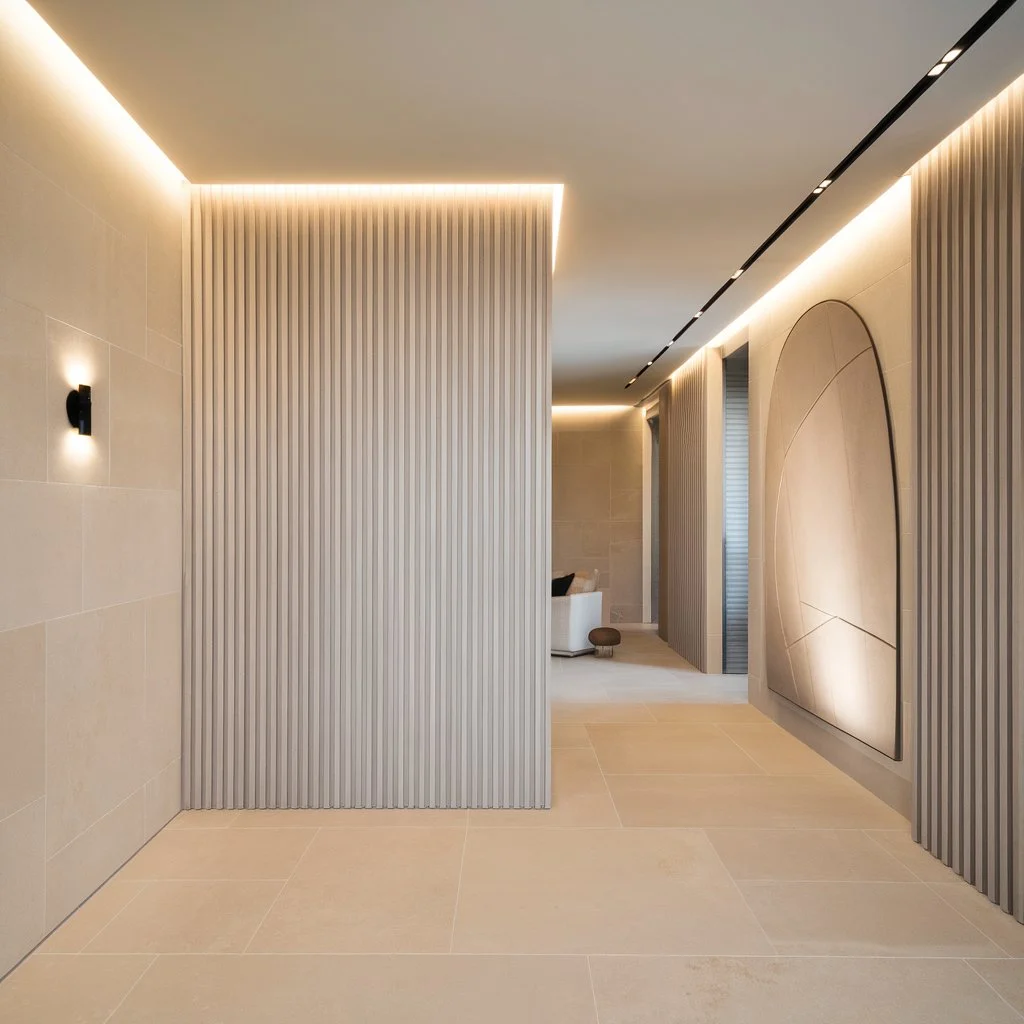
Vertical Wall Tiles and the Illusion of Height
Vertical wall tiles draw the eye upwards, creating the impression of added height. This makes them a popular choice for bathrooms, shower areas, and compact kitchens where ceilings may feel low. A vertical tile layout for height illusion works particularly well in period properties that benefit from emphasising architectural character without altering structure.
In properties affected by London dampness and frequent use, vertical wall tiles also support good water run off and cleaner grout lines when installed correctly. Abel Tiler ensures precise wall tile alignment and visual flow so the room feels taller, lighter, and more open rather than busy or cluttered.
Horizontal Wall Tiles and the Sense of Width
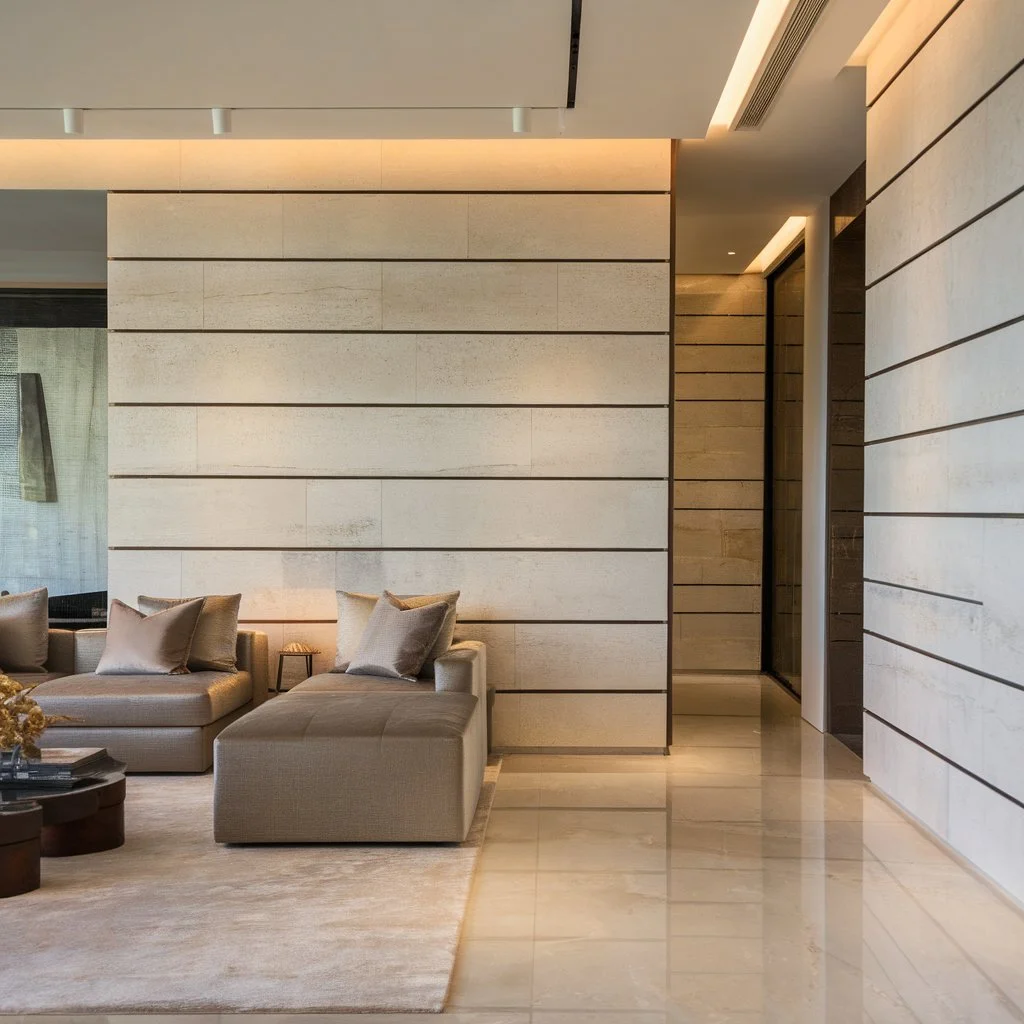
Horizontal wall tiles encourage the eye to travel across the room, which helps spaces feel wider and more relaxed. This layout is often effective in narrow rooms, hallways, or small living areas where width feels restricted. In shared spaces, thoughtful layouts can also inspire living room wall tile ideas that improve proportions while maintaining a calm, well balanced interior. A horizontal tile layout for width illusion can visually stretch walls and soften sharp proportions.
When using horizontal tile layout in London homes, careful spacing and consistent grout lines are essential. Poor alignment can quickly disrupt the illusion and create a boxed in feel. With expert installation, horizontal wall tiles create a calm and balanced look that suits both modern apartments and traditional homes.
Choosing the Right Wall Tiling Direction for Small Rooms
Selecting the right wall tiling direction depends on the room shape, ceiling height, and natural light. Many homeowners assume one approach works everywhere, but tile orientation should be tailored to each space. Vertical vs horizontal wall tiling should always be assessed alongside layout, fixtures, and daily use.
For example, a small bathroom with limited ceiling height often benefits from vertical wall tiles, while a narrow kitchen may feel more generous with a horizontal layout. Abel Tiler considers how tile direction and perceived room size work together, ensuring the final result feels comfortable rather than forced.
The Role of Tile Size and Alignment in Visual Space
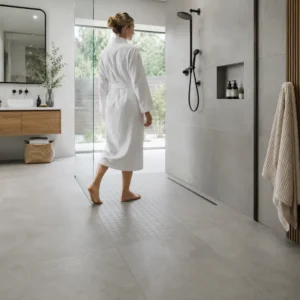
Tile size and alignment have a strong influence on how effective a layout appears. Large format tiles with fewer grout lines help create visual continuity, making rooms feel less broken up. Smaller tiles can still work well but require careful planning to avoid cluttered patterns.
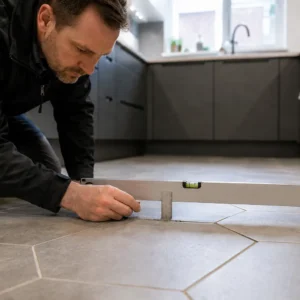
Wall tile alignment and visual flow are especially important in London homes where walls may not always be perfectly straight. Professional surface preparation ensures tile laying direction and room proportions work together, preventing uneven wall tiles that disrupt the intended illusion of space.
Using Light and Colour to Enhance Tile Direction
Light and colour play a supporting role in how wall tile orientation performs. Pale tones reflect light and amplify the effects of both vertical and horizontal layouts, while darker shades absorb light and can reduce perceived space if not balanced carefully.
In rooms with limited daylight, such as internal bathrooms or north facing kitchens, lighter wall tiles combined with the right orientation help counter shadowing. Abel Tiler advises on colour and finish selection that complements tile direction while standing up to moisture and everyday wear common in London properties.
Common Mistakes That Reduce the Illusion of Space
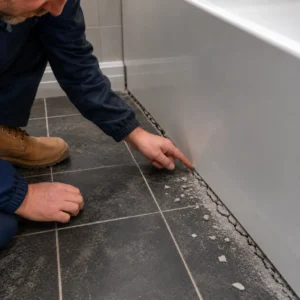
Even the best tile direction can fail if installation details are overlooked. Issues like uneven grout lines, incorrect tile spacing, or poor surface preparation for tiling quickly undermine visual impact. These common tiling errors distract the eye and make rooms feel smaller rather than larger.
Some mistakes to avoid include
- Mixing tile directions on the same wall without a clear design purpose
- Using overly busy patterns in compact rooms
- Inconsistent grout widths that interrupt visual flow
Professional planning and installation prevent these issues and protect the overall finish.
Matching Tile Orientation to London Property Styles
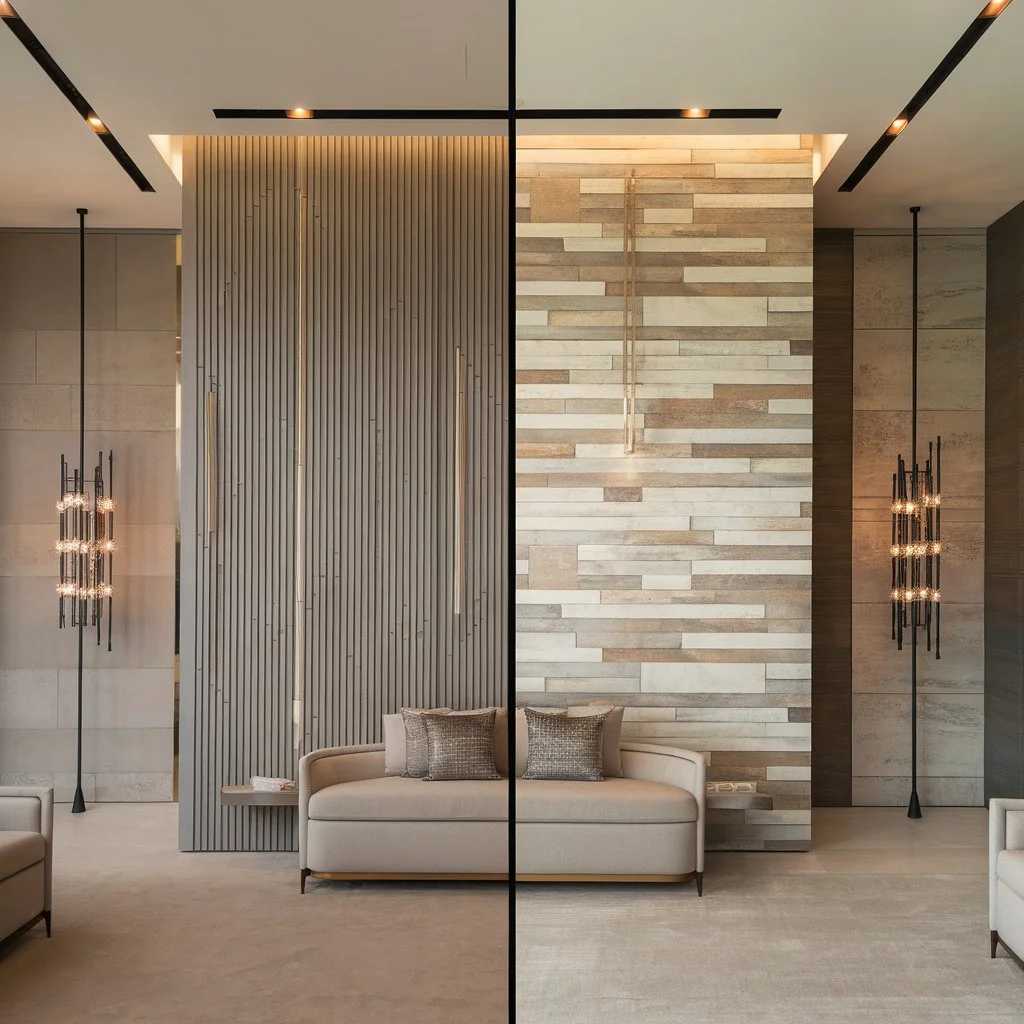
London homes vary widely, from Victorian terraces to contemporary developments. Each property style responds differently to tile orientation. Vertical wall tiles often complement period homes by enhancing height and elegance, while horizontal wall tiles suit modern spaces with clean lines and open layouts.
With experience across residential and commercial tiling projects, Abel Tiler adapts wall tiling patterns that enhance visual space while respecting architectural character. This ensures tile orientation feels appropriate rather than out of place, adding value and cohesion to the property.
Vertical vs Horizontal Wall Tiling in Wet Areas
Bathrooms, kitchens, and utility spaces face regular moisture exposure. In these areas, tile orientation must balance aesthetics with performance. Vertical tile layout can support efficient water flow in showers, while horizontal layouts provide visual calm in kitchen splashbacks.
Using tile direction to create the illusion of space in wet areas also relies on correct adhesive choice and precise installation. Abel Tiler focuses on durability, waterproofing, and long term performance so visual benefits do not come at the expense of function.
How Professional Installation Makes the Difference
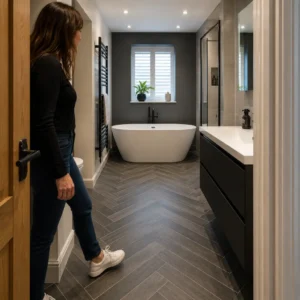
Understanding how tile orientation affects space is only part of the process. Proper execution ensures those design choices deliver real results. Professional planning also considers how wall and floor tile combinations work together, creating visual continuity that enhances space, flow, and long term durability across London homes. From assessing wall levels to managing alignment and grout finish, professional tiling eliminates guesswork.
Abel Tiler brings experience in space enhancing wall tile layouts that feel natural and refined. This attention to detail helps London homeowners achieve rooms that look bigger, brighter, and easier to maintain without ongoing issues.
Transform Your Space With Expert Wall Tiling Advice
Choosing between vertical vs horizontal wall tiling can transform how a room feels when done correctly. Tile direction shapes perception, enhances proportions, and adds long term value when paired with quality materials and skilled installation. For London homes facing space limitations, damp conditions, or changing design needs, professional guidance makes all the difference.
Contact Abel Tiler today to discuss wall tiling solutions that make your rooms feel bigger, brighter, and beautifully finished across London.