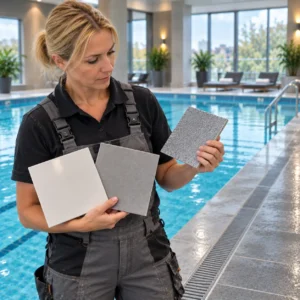
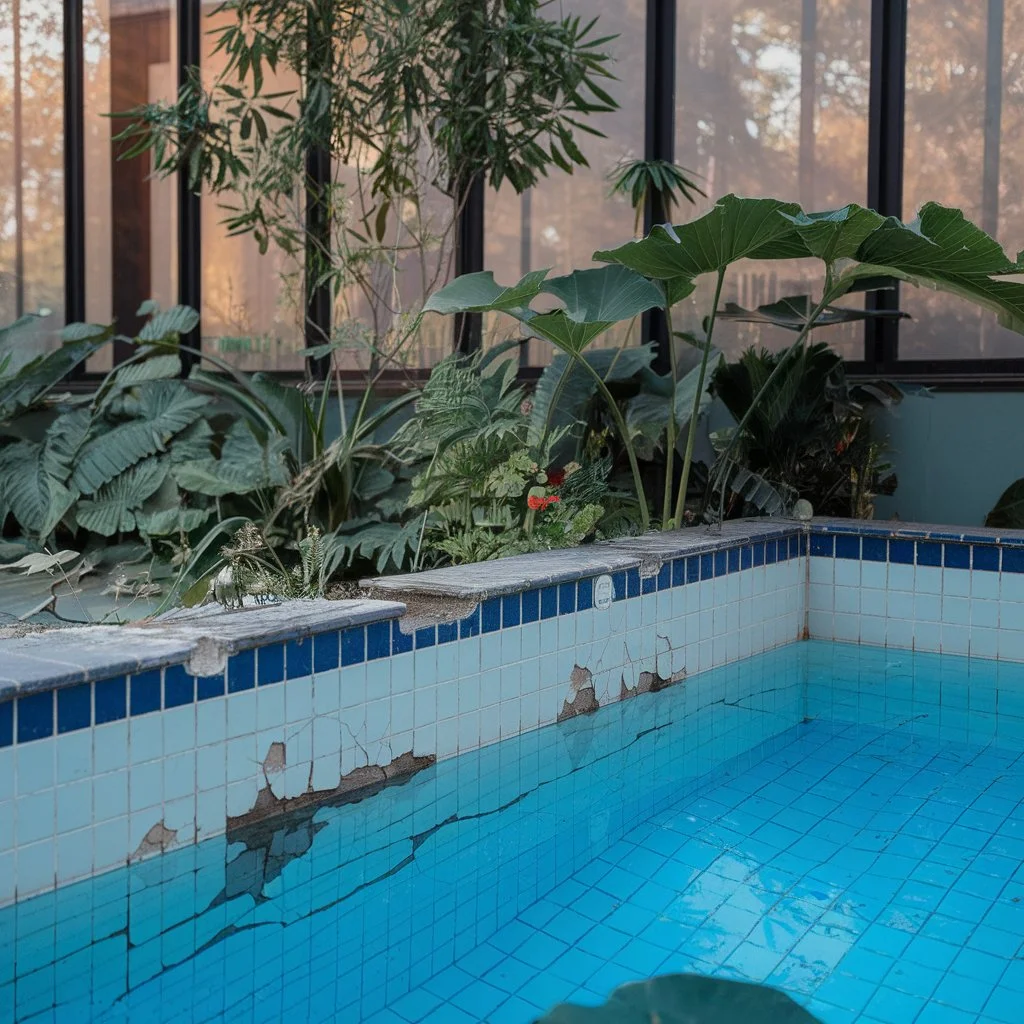
Over time, even a well maintained swimming pool can start showing signs of wear through its tiled surfaces. Small changes such as uneven tiles, visible stains, or areas that feel loose underfoot are often the first indicators that something beneath the surface is no longer performing as it should. In London, where pools are exposed to damp conditions, fluctuating temperatures, and regular chemical treatment, tiling systems are under constant pressure.
Understanding common swimming pool tiling problems helps property owners take timely action before minor issues develop into expensive repairs. When pool tiles are professionally installed and maintained, they continue to protect the structure, support safety, and preserve the overall appearance of the pool for many years.
Why Swimming Pool Tiling Problems Occur in London
London pools face a combination of moisture heavy conditions and seasonal temperature changes that can affect tiled surfaces over time. Outdoor pools are particularly vulnerable to winter dampness, while indoor pools experience constant humidity and chemical exposure. These conditions gradually weaken adhesives and grout if the tiling system is not designed to accommodate movement and moisture.
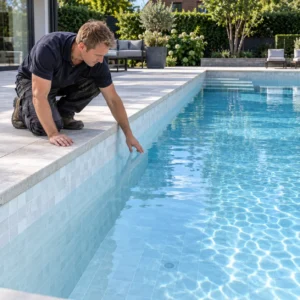
Many swimming pool tile problems develop slowly, making early signs easy to overlook. Professional inspection allows underlying issues to be identified before visible damage spreads across larger areas of the pool.
Cracked and Broken Swimming Pool Tiles
Cracked swimming pool tiles are often caused by stress beneath the surface rather than surface impact alone. Subtle movement within the pool shell or changes in temperature can cause rigid tiles to fracture over time. Once cracks appear, water can penetrate behind the tiles, accelerating further damage.
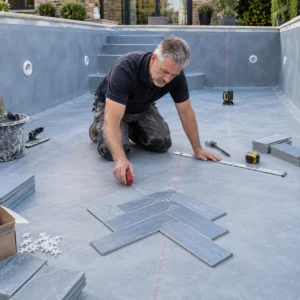
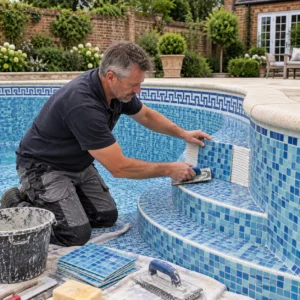
Broken pool tile repair requires more than simple replacement. In most cases, the damaged tiles need to be removed so the underlying surface can be checked for movement, moisture, or stress before new tiles are rebonded using flexible adhesives that help prevent future cracking.
Loose or Detached Pool Tiles
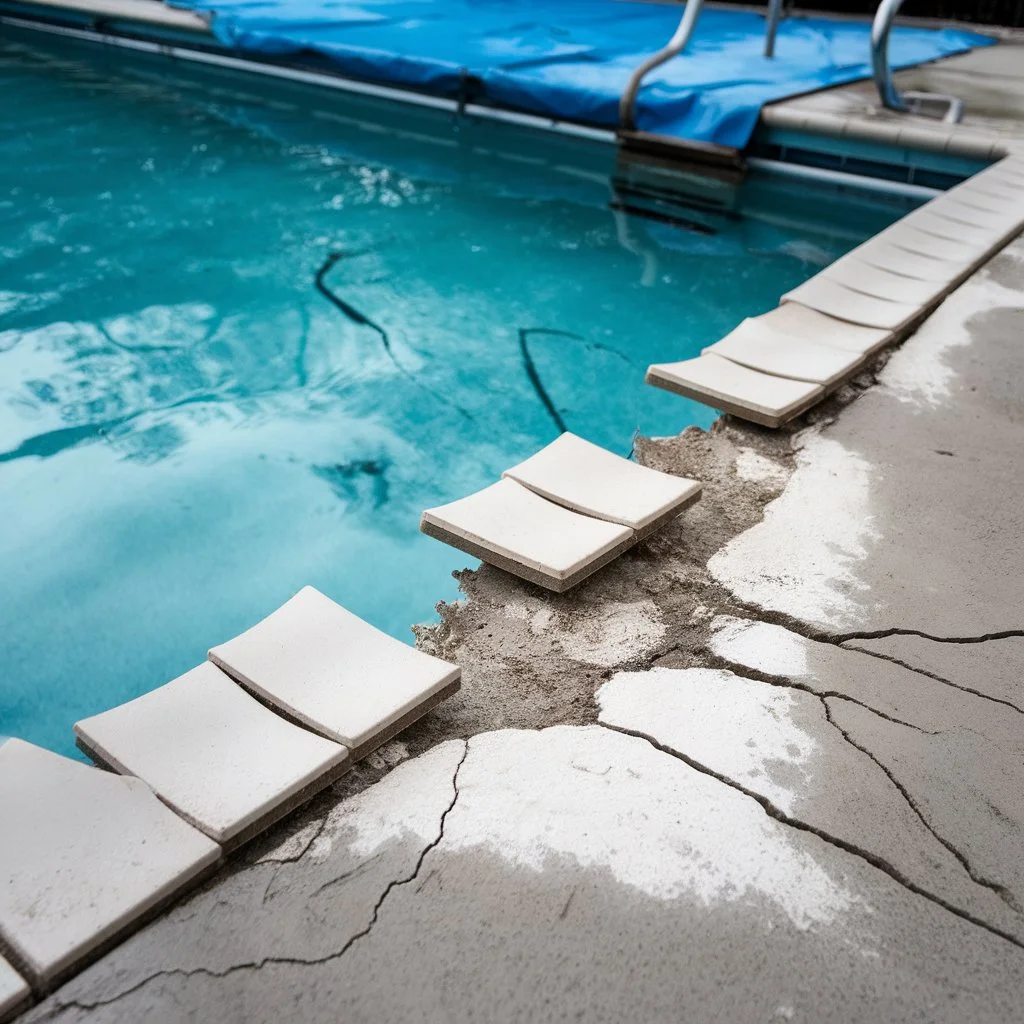
Loose swimming pool tiles usually indicate adhesive failure or prolonged moisture penetration behind the tile bed. This is often the stage where swimming pool tiles lift, caused by water slowly working its way through grout joints or by an installation that did not allow for natural movement.
Loose or detached pool tiles should always be addressed promptly, as they pose a safety risk and can lead to wider tile displacement if ignored. Effective repair involves lifting affected sections, allowing trapped moisture to dry, and rebonding the tiles once adhesive failure or water ingress has been properly resolved.
Grout Failure in Swimming Pools
Grout failure in swimming pools is a common issue caused by constant exposure to chemicals, water pressure, and regular cleaning. As grout weakens, gaps form between tiles, allowing moisture to reach the adhesive layer beneath.
Deteriorating grout not only affects appearance but also contributes to tile loosening and staining. Proper regrouting restores the protective seal, improves hygiene, and strengthens the overall tiling system. This usually means removing weakened grout joints and replacing them with chemical resistant materials designed to cope with constant water exposure and regular pool maintenance.
Slippery Swimming Pool Tile Problems
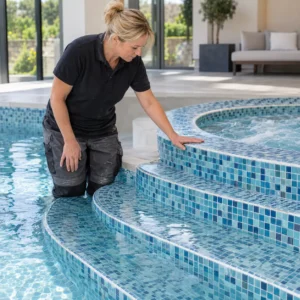
Slippery swimming pool tile problems often develop due to algae growth, calcium buildup, or inappropriate tile finishes for wet environments. These issues can make pool areas unsafe, particularly around steps and shallow zones.
Professional solutions address both surface condition and water balance. Depending on the cause, this may include deep cleaning to remove algae or calcium deposits, adjusting water chemistry, or upgrading certain areas with slip resistant tiles better suited to wet conditions.
Discoloured and Stained Pool Tiles
Discoloured pool tiles and surface staining usually result from mineral deposits, chemical imbalance, or long term exposure to untreated water. Calcium buildup on pool tiles can be difficult to remove without specialist equipment and knowledge.
In some cases, staining indicates deeper issues such as moisture trapped beneath the tiles. Professional assessment determines whether specialist cleaning, water chemistry correction, or selective tile replacement is required, particularly when staining points to moisture trapped beneath the surface rather than surface marks alone.
Substrate Movement and Structural Stress
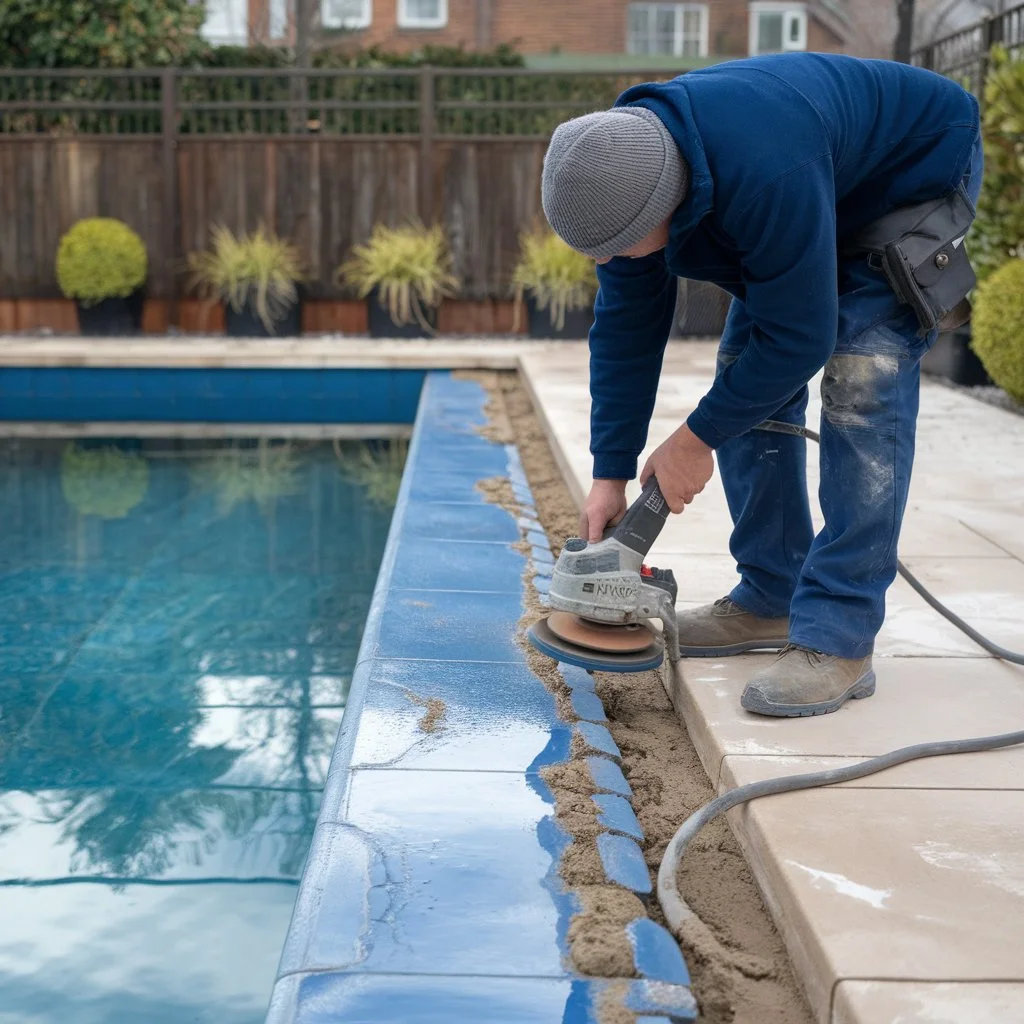
Substrate movement beneath pool tiles is a hidden but serious issue. Even slight shifts in the concrete pool shell can place stress on the tile layer, leading to cracking, lifting, or debonding over time.
Addressing substrate failure under pool tiles involves correcting movement issues and using appropriate adhesives and installation techniques that accommodate natural expansion and contraction.
Why Professional Pool Tile Repair Makes a Difference
Temporary fixes often mask symptoms without resolving the underlying cause. Professional pool tile repair takes a comprehensive approach, examining adhesives, grout, moisture levels, and structural movement before repairs begin.
This level of expertise helps prevent recurring damage, improves durability, and ensures the pool remains safe and visually consistent despite London’s demanding climate.
Restore Your Pool with Professional Tiling Support
Swimming pool tiling problems rarely improve on their own and tend to worsen if left untreated. Alongside professional repairs, ongoing pool tile care and maintenance plays a vital role in protecting safety, preserving long term value, and maintaining the pool’s appearance and performance.Abel Tiler provides expert swimming pool tiling and repair services across London, delivering precise workmanship and durable finishes tailored to local conditions.
Contact Abel Tiler today to ensure your swimming pool remains secure, safe, and built to last.