Swimming pools are becoming an increasingly valued feature across London homes, hotels, leisure centres, and residential developments. While a well tiled pool looks elegant and inviting, many property owners are surprised when tiles begin to crack or lift after only a few seasons. The issue is rarely the tile itself. More often, it is how London’s weather interacts with moisture, structure, and installation quality that causes swimming pool tiles lift and fail over time.
With frequent rainfall, damp winters, cold snaps, and occasional heatwaves, pools in the UK face very different stresses compared to warmer climates. Understanding why swimming pool tiles crack or lift helps homeowners and commercial property managers protect their investment and avoid repeated repairs. This is where professional swimming pool tiling carried out with local conditions in mind makes all the difference.
How London Weather Affects Swimming Pool Tiles
London’s climate plays a major role in long term swimming pool tile performance. Pools are constantly exposed to moisture, temperature fluctuations, and environmental stress. Over time, these conditions can weaken adhesives, grout, and the bond between tiles and the pool structure.
Outdoor pool tile weather damage in the UK is often caused by a combination of water penetration and temperature changes. Even indoor pools are affected when surrounding areas remain damp or poorly ventilated. Without proper preparation and materials designed for British conditions, tiles struggle to cope with these pressures.
Freeze Thaw Cycle and Its Impact on Pool Tiles
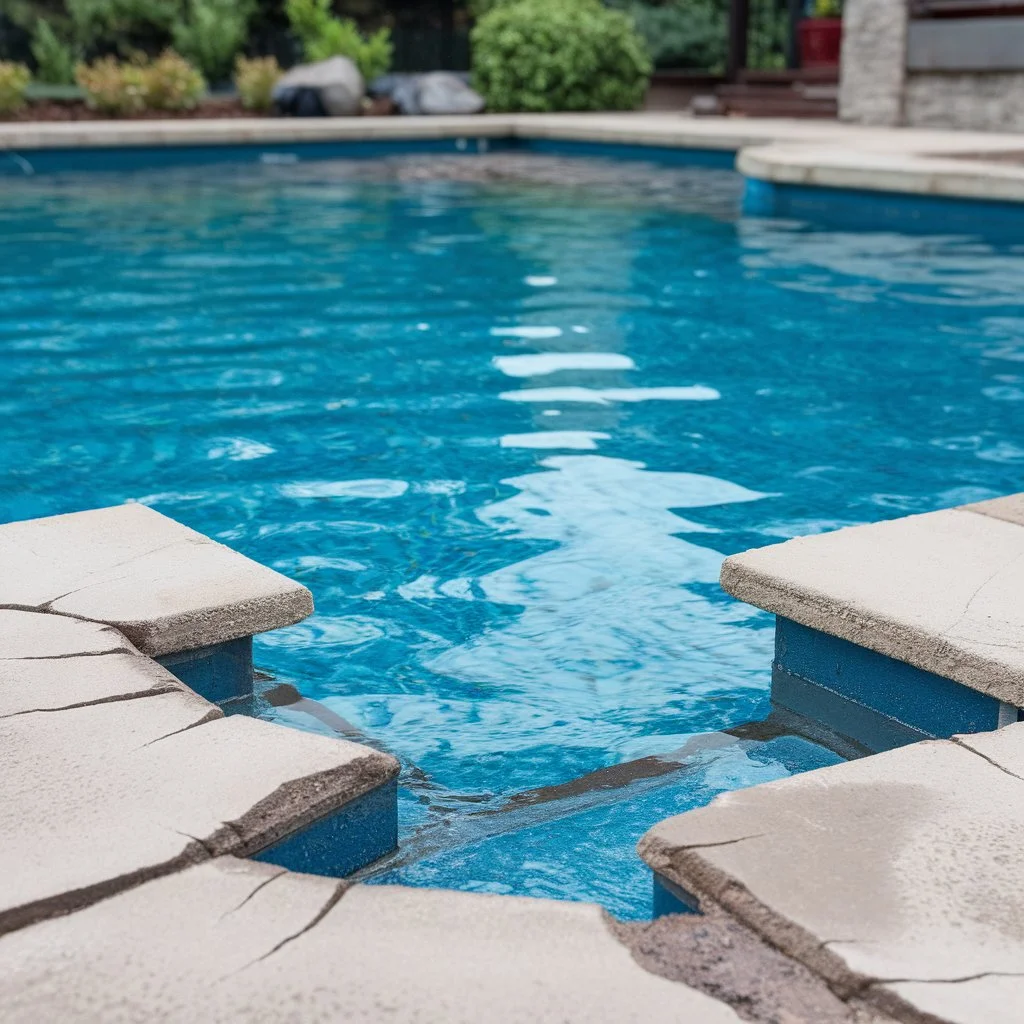
One of the most damaging factors is the freeze thaw cycle that pool tiles experience during winter. When water seeps behind tiles and temperatures drop, that moisture freezes and expands. As it thaws, it contracts again. This repeated expansion and contraction leads to frost damage to swimming pool tiles, loosening adhesive and creating internal stress.
Over time, this freeze thaw cycle pool tiles endure can result in cracking, hollow sounding tiles, and complete tile detachment. UK winter pool damage is especially common along waterlines and edges where moisture exposure is highest.
Does Water Under Swimming Pool Tiles Cause Them to Lift
A very common question is does water under swimming pool tiles cause them to lift. In most cases, the answer is yes. Water ingress behind pool tiles is one of the leading causes of tile failure in swimming pools.
Moisture penetration under tiles weakens the adhesive bond and creates pressure as temperatures change. Once water finds a pathway behind the tile surface, lifting swimming pool tiles becomes almost inevitable unless the issue is addressed early.
Pool Tile Debonding and Adhesive Failure
Pool tile debonding occurs when the adhesive layer no longer holds the tile securely in place. Pool tile adhesive failure is often linked to prolonged dampness, incorrect adhesive choice, or poor curing conditions during installation.
In London pools, constant exposure to moisture combined with seasonal temperature variation accelerates adhesive breakdown. Without specialist adhesives and waterproofing systems, tiles slowly lose adhesion and begin to lift or crack.
Structural Movement and Installation Related Causes
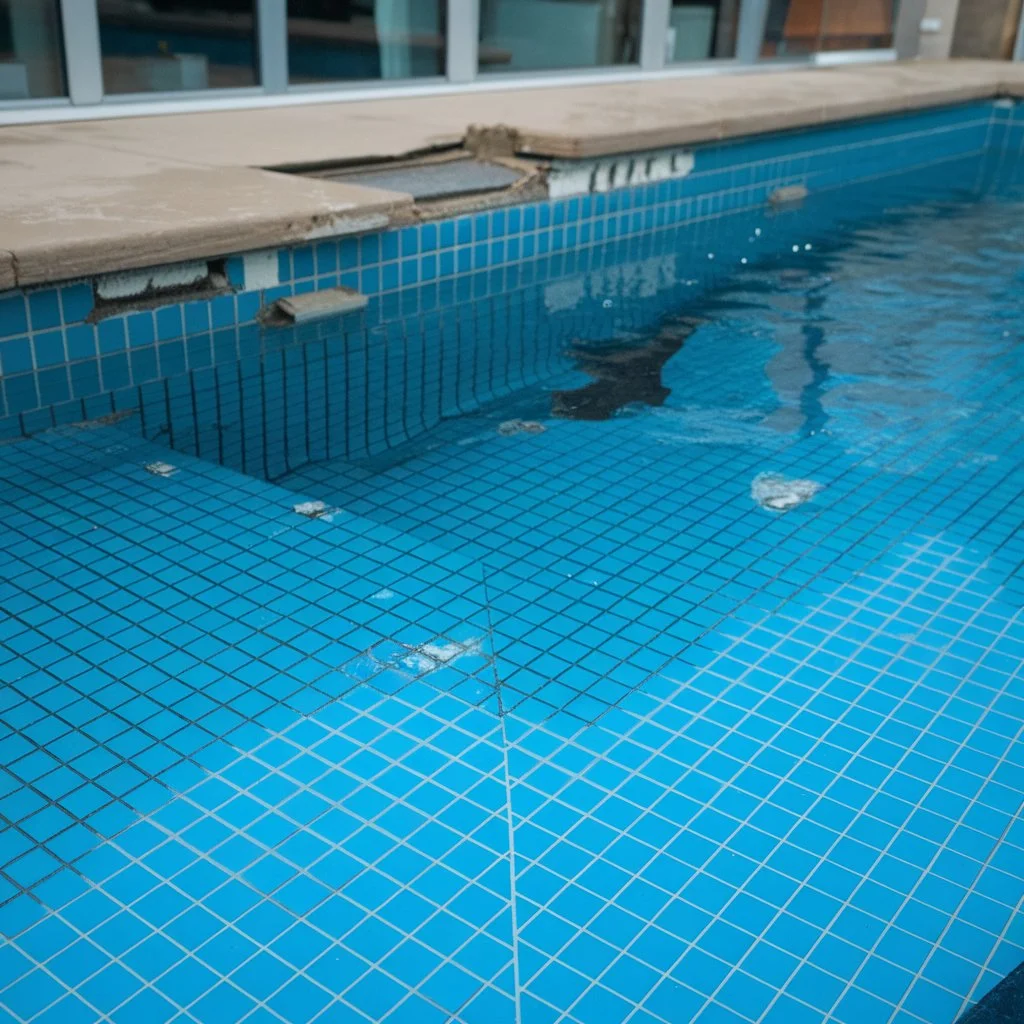
Swimming pools are not static structures. Over time, movement occurs within the concrete shell due to ground conditions, temperature changes, and natural settlement. Movement in concrete pool shell structures places stress on rigid tile finishes.
Structural stress causing tile detachment often shows as cracks appearing suddenly or tiles lifting along joints and corners. This movement is a normal part of building behaviour, which is why tiling systems must be designed to accommodate it.
The Importance of Expansion Joints in Swimming Pools
Expansion joints in swimming pools allow controlled movement without transferring stress to the tiles. When joints are missing, poorly positioned, or incorrectly filled, tiles absorb that movement instead.
Without proper expansion joints, thermal expansion and contraction of pool tiles leads directly to cracking and lifting. This issue is frequently seen in older London pools or installations where corners were cut during construction.
Poor Pool Tile Installation Issues
Poor pool tile installation remains a major cause of long term failures. Uneven substrates, inadequate waterproofing, incorrect adhesives, and rushed workmanship all contribute to swimming pool tile problems.
Poor pool tile installation may look acceptable initially but often reveals issues after the first winter. Tiles may sound hollow, grout may crack, and water penetration accelerates deterioration beneath the surface.
How Pool Water Chemistry Contributes to Tile Damage
Beyond weather and structure, chemical damage to pool tiles also plays a role. Pool water must be carefully balanced to protect both users and finishes.
An alkaline imbalance pool water damage scenario can weaken grout and adhesives over time. Excessively harsh cleaning chemicals or poorly managed chlorine levels also contribute to grout deterioration in swimming pools, allowing water to reach the substrate behind tiles.
Grout Deterioration and Tile Cracking
Grout acts as the first line of defence against moisture. When grout deteriorates, moisture easily travels behind tiles, leading to cracked pool tiles causes that seem to appear without warning.
Once grout fails, structural stress and moisture work together, increasing the risk of tile debonding and surface damage.
Common Swimming Pool Tile Problems Seen in London Properties
Across London properties, some common swimming pool tiling problems appear repeatedly, regardless of pool size or location, especially in pools exposed to year round moisture, seasonal temperature changes, and heavy use.
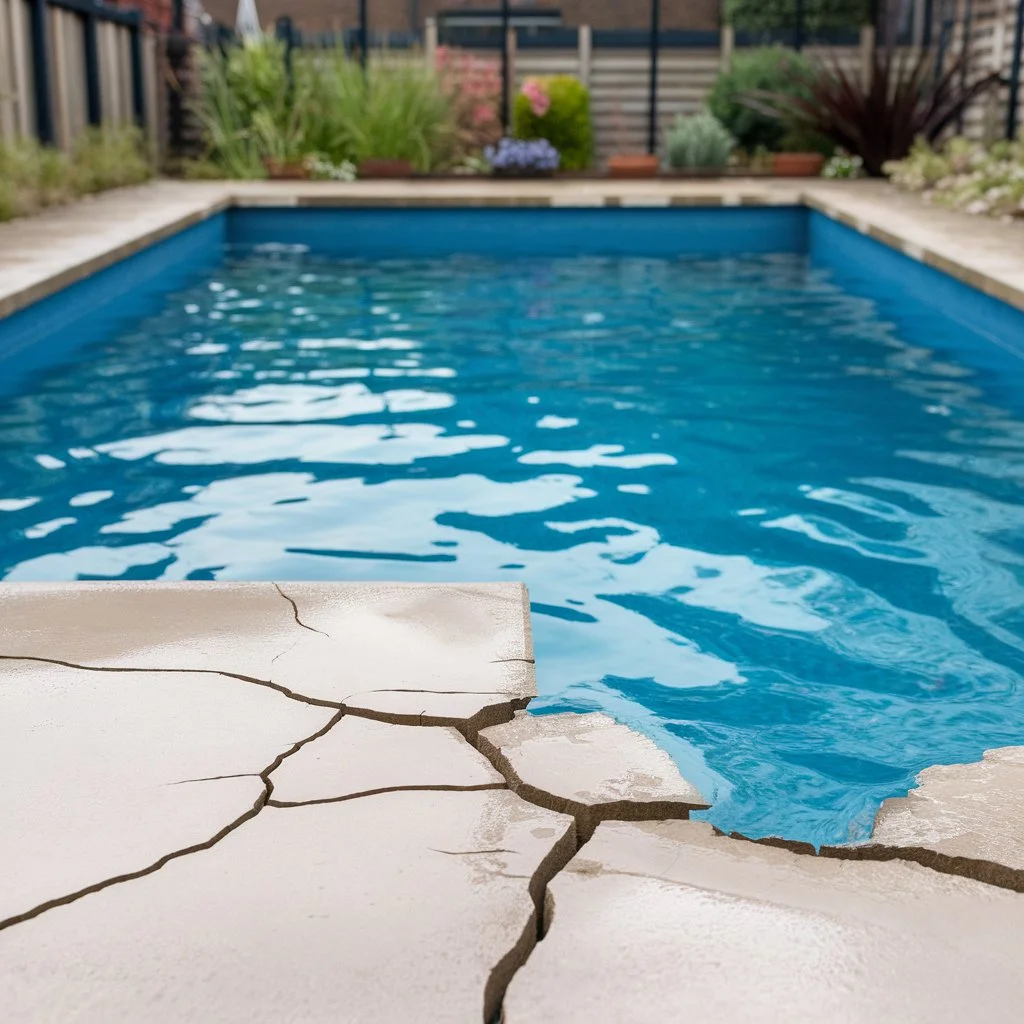
- Swimming pool tiles lift along the waterline
- Sudden tile cracking after winter
- Loose or rocking tiles underfoot
- Eroded or discoloured grout
- Hollow sounds indicating debonding beneath tiles
These issues affect both private garden pools and commercial facilities, especially where installation or maintenance has been compromised.
Why Professional Pool Tiling Makes a Long Term Difference
Most pool tile cracking causes can be avoided when installation is handled by experienced professionals. Expert tiling ensures correct surface preparation, waterproofing, adhesive selection, and movement accommodation from the outset.
Professional swimming pool tiling focuses on long term performance rather than short term appearance. This approach significantly reduces future repair costs and extends the lifespan of the pool finish.
Materials and Techniques That Withstand London Weather
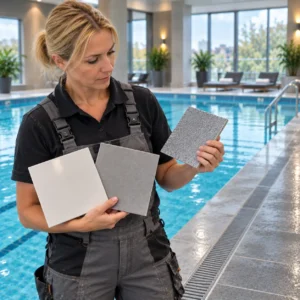
Using the right materials is essential in the UK climate. High quality porcelain and specialist pool tiles cope better with freeze thaw cycles, moisture exposure, and temperature variation.
Professional installation also includes slip resistant finishes, robust waterproofing systems, and accurate drainage detailing. These techniques help pools remain safe, durable, and visually appealing year after year.
Why Early Action on Cracked or Lifting Tiles Matters
Even small cracks or slightly raised tiles should never be ignored. Early signs of swimming pool tiles lift often indicate deeper moisture or structural issues developing behind the surface.
Delaying repairs increases water ingress, weakens the pool structure, and raises long term costs. Early professional intervention protects safety, prevents extensive damage, and preserves the overall value of the property.
Protect Your Swimming Pool with Expert Tiling in London
Swimming pool tiles crack or lift in London weather due to a combination of moisture, freeze thaw cycles, structural movement, and installation quality. While these conditions are unavoidable in the UK, the damage they cause is not.
With expert craftsmanship, durable materials, and professional installation, Abel Tiler ensures swimming pool tiling that stands up to London’s demanding climate. From preventing water ingress to managing structural movement, every detail is handled with precision. Contact Abel Tiler today to protect your swimming pool and achieve long lasting, high quality tiling results across London.