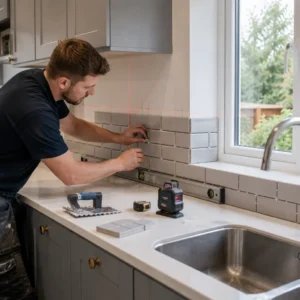

Many London property owners consider tiles for their interior or exterior spaces, but often wonder about the key differences between residential vs commercial tiles. This choice matters because London’s unpredictable weather, which swings from damp afternoons to the occasional scorching heatwave, demands durable flooring solutions. Homeowners need to ensure their floors can endure family life and everyday wear, while business owners must handle higher foot traffic and stricter safety standards. A well-chosen tile not only looks elegant but also reduces long-term maintenance costs. In this blog, we’ll explore how commercial and residential tile products differ in terms of composition, strength, slip resistance, and cost.
What Makes Residential and Commercial Tiles Different?
When people ask, “What is the difference between commercial and residential tile?”, they usually want to know how each stands up to everyday demands. Residential flooring must handle moderate foot traffic while maintaining aesthetic appeal, making ceramic or porcelain a popular choice. Commercial spaces, from London retail shops to office receptions, require commercial-grade tile with superior strength and slip resistance. These tiles often have higher PEI tile ratings (indicating better abrasion resistance) and thicker materials designed for heavier use. By selecting the right tile, you’ll enjoy surfaces that look good while standing strong against day-to-day challenges.
Commercial-Grade Tile Explained
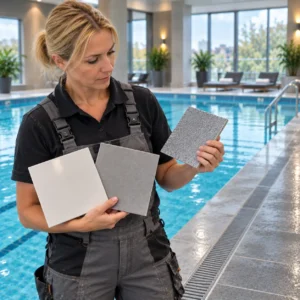
Many wonder, “What is commercial-grade tile, and are commercial tiles better than residential tiles?” Commercial-grade porcelain tile or other robust materials earn this category by offering enhanced scratch resistance, heavier weight-bearing capacity, and a tile slip resistance rating suitable for busier areas. From hotel lobbies to restaurant dining rooms, these floors can endure steady foot traffic without cracking or chipping. Commercial tile vs residential tile distinctions also appear in their finish and thickness: functional surfaces often come with a matte or textured finish to prevent accidental slips. Although commercial options might cost more initially, they provide better longevity in high-traffic venues, sparing property owners frequent repairs or replacements.
Durability and Safety Considerations
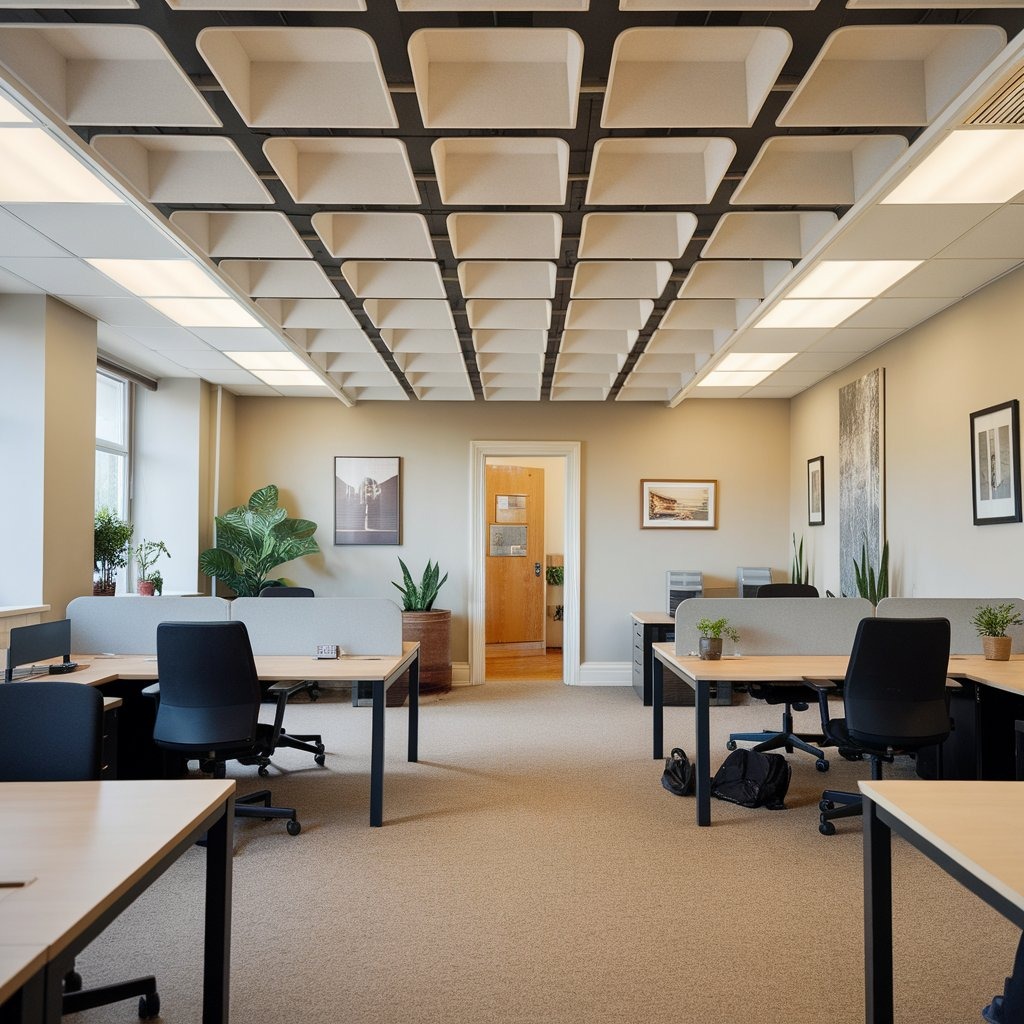
When discussing tile durability classification, factors like tile hardness, abrasion resistance, and slip rating all come into play. Residential floor tile suitability typically requires moderate hardness for daily home activities. Meanwhile, commercial-grade tiles must pass stricter tile safety standards for commercial spaces, ensuring worry-free usage under substantial foot traffic. In London properties, damp winter conditions can create slippery surfaces if tiles lack proper grip. Light commercial tile applications might be enough in smaller offices and boutique shops, but large-scale businesses often need heavy-duty tiles and additional features like anti-slip textures.
Design and Material Choices
Whether it’s a Victorian-style home or a sleek commercial lobby, there is a wide range of tile design options available for both residential and commercial spaces. Residential tiles typically include ceramic, porcelain, and even natural stone tile applications chosen for their elegant patterns and timeless appeal. Commercial spaces, on the other hand, often rely on commercial-grade porcelain tile or durable ceramics to cope with high foot traffic and frequent cleaning. Porcelain vs ceramic tile performance differs mainly in density and water absorption, with porcelain generally being the sturdier option.
Cost and Long-Term Value
One key question is the cost difference between commercial and residential tile. While commercial tiles tend to be pricier upfront due to thicker construction and advanced finishes, they can save money in the long run by enduring heavy use. Residential tiles, if chosen carefully for domestic situations, deliver exceptional style and durability without overspending. London property owners appreciate the balance between budget and quality, realising that cheap, inferior materials seldom stand the test of time. Whether upgrading a lounge or renovating a storefront, choosing high-quality, long-lasting tile flooring options can reduce replacement costs and increase property value.
Installation Expertise and Professional Care
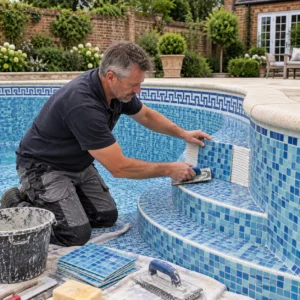
Professional insights matter greatly when fitting any tile, be it for a home extension or an expansive commercial development. Even the best tile for high foot traffic needs correct surface preparation, accurate tile thickness comparison, and precise laying techniques. Many UK properties suffer issues like water damage or mould if tiles are not sealed and fitted properly, particularly in kitchens, bathrooms, or even pool areas. At Abel Tiler, every project uses top-notch materials alongside skilled workmanship to create impeccable finishes. Whether it’s choosing tiles for commercial buildings or gearing up for a stylish home renovation, our team ensures that surfaces remain sturdy, water-resistant, and visually appealing for many years.
Conclusion
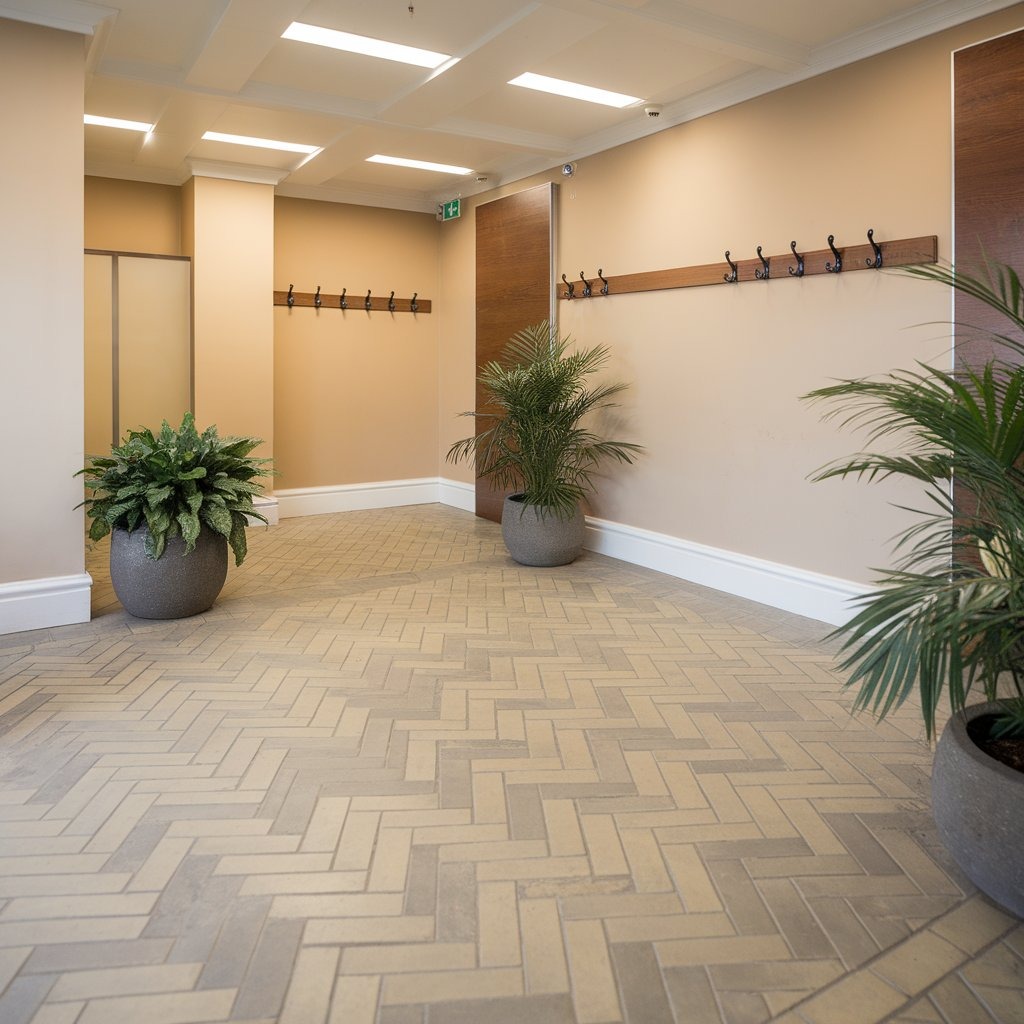
Ultimately, understanding residential vs commercial tiles comes down to durability, safety, and the unique demands of each space. In some environments, especially offices, bathrooms, or hospitality settings, incorporating sound-absorbing tiles can further enhance comfort and usability while still maintaining visual appeal. By selecting the right design, thickness, and finish, you protect your investment while enjoying a refined look that suits London’s architectural character. From classic Victorian slate floors to high-traffic commercial entrances, trust our expertise to deliver style and performance you can rely on. Contact Abel Tiler today to transform your property with professional tiling services across London.