Introduction
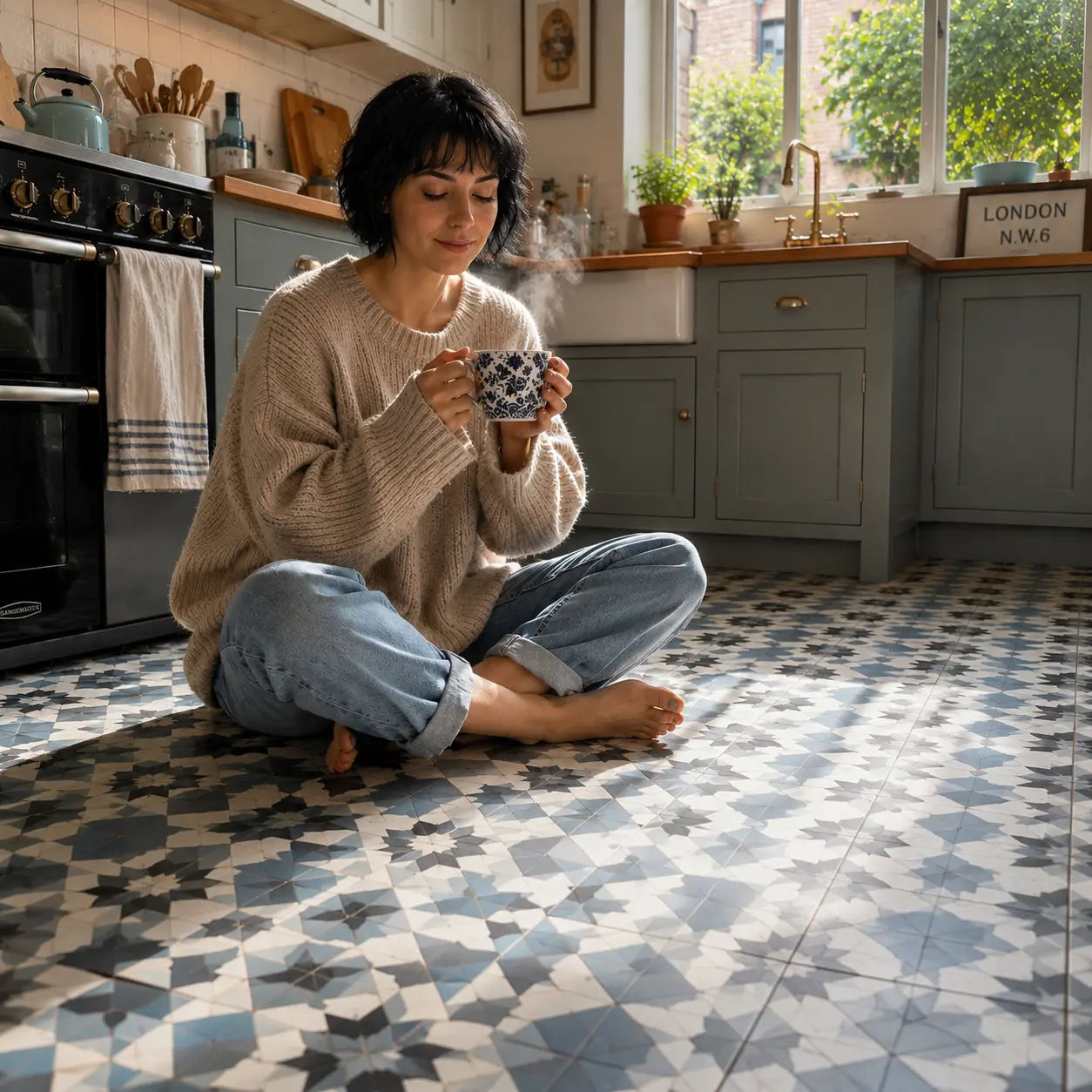
Victorian floor tiles remain one of the most desirable features in many London homes, particularly within entrance hallways, kitchens, bathrooms, and garden extensions. Their decorative appearance and long lasting durability allow them to complement both period and modern interiors. Many homeowners renovating older buildings also invest in heritage Victorian slate tiling in London to preserve original design details while improving long term practicality. At the same time, underfloor heating has become increasingly popular among homeowners looking to create warmer living spaces without relying heavily on bulky radiators.
Many homeowners question whether Victorian flooring can perform effectively with modern heating systems. In reality, floor tiles for underfloor heating are often one of the most suitable flooring options because tiled surfaces transfer warmth efficiently through the room. With proper preparation and installation, Victorian tiles can work exceptionally well alongside electric or water based underfloor heating systems while retaining the character and durability that older homes are valued for.
Why Victorian Tiles Work Well with Heated Flooring
Victorian tiles are naturally suited to heated flooring because they provide a stable and durable surface that responds well to regular temperature changes. Unlike softer flooring materials, tiles allow warmth to travel directly through the surface into the room rather than trapping heat beneath the floor.
This creates a more balanced room temperature and reduces the cold spots commonly found in older ground floor spaces. Hallways, kitchens, and bathrooms benefit significantly because these areas often feel cooler during the winter months.
Victorian floor tiles also retain warmth effectively once heated. Instead of cooling immediately after the system switches off, the tiled surface continues releasing stored heat gradually. This helps maintain comfort for longer periods and can improve the overall efficiency of modern floor heating systems.
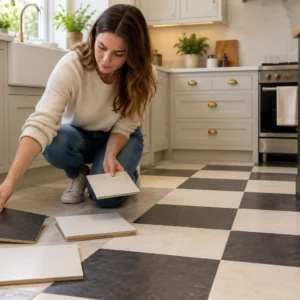
Decorative geometric floor tiles, encaustic surfaces, porcelain flooring, and natural stone materials also cope well with regular foot traffic and changing indoor temperatures. Their hard wearing structure makes them highly suitable for busy households where heated flooring systems operate consistently throughout the colder seasons.
Factors That Affect Underfloor Heating Performance
Thermal Conductivity and Heat Transfer
The way a tile transfers warmth through its surface has a direct impact on how effectively an underfloor heating system performs.
Materials with strong heat transfer properties allow warmth to move quickly from the heating system into the room above. Porcelain floor tiles, ceramic floor tiles, and natural stone flooring all perform well because they conduct heat consistently across the floor surface.
Heat resistant tiles used with underfloor systems also help maintain stable room temperatures throughout the day. Properly installed tiled flooring often provides a more balanced heating effect than conventional radiator systems because warmth rises evenly from the entire floor area.
Tile Thickness and Surface Density
Tile thickness affects how quickly the floor heats up and cools down. Thinner floor tiles tend to warm faster, while thicker materials usually retain warmth for longer once heated.
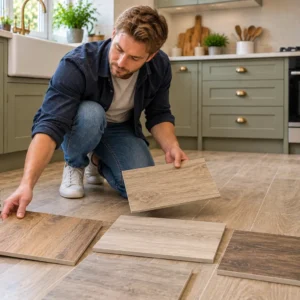
Dense tile surfaces are commonly used in modern renovations because they balance durability with effective heat retention. Victorian mosaic floor tiles and geometric floor tiles can also perform very effectively, provided the subfloor preparation and adhesive selection are handled correctly.
Moisture Resistance
Using moisture resistant grout around heated flooring systems helps reduce long term deterioration in tile joints exposed to repeated expansion and contraction caused by ongoing heating cycles.
The Best Tiles for Underfloor Heating
Ceramic Floor Tiles
Ceramic floor tiles work particularly well in kitchens with underfloor heating because they respond quickly once the system is activated, helping the room warm efficiently during everyday use. This faster heat response suits kitchen layouts especially well, where homeowners often prefer consistent warmth across busy cooking and dining areas without relying entirely on radiators.
Porcelain Floor Tiles
Porcelain flooring is widely used with underfloor heating systems because its dense structure transfers heat efficiently across the tiled surface. These tiles help maintain stable room temperatures and perform especially well in larger spaces where consistent warmth is important throughout the day.
Natural Stone and Slate Tiles
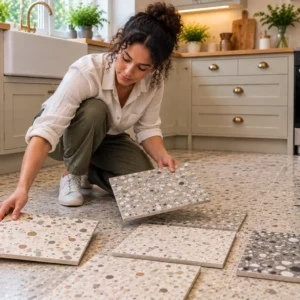
Natural stone flooring such as slate, limestone, and marble retains heat for longer periods once warmed, making these materials highly effective for maintaining steady floor temperatures. Victorian slate tiling is particularly well suited to heated flooring systems because the stone gradually releases stored warmth even after the heating system has reduced output.
Electric and Water Underfloor Heating Systems
Electric Underfloor Heating
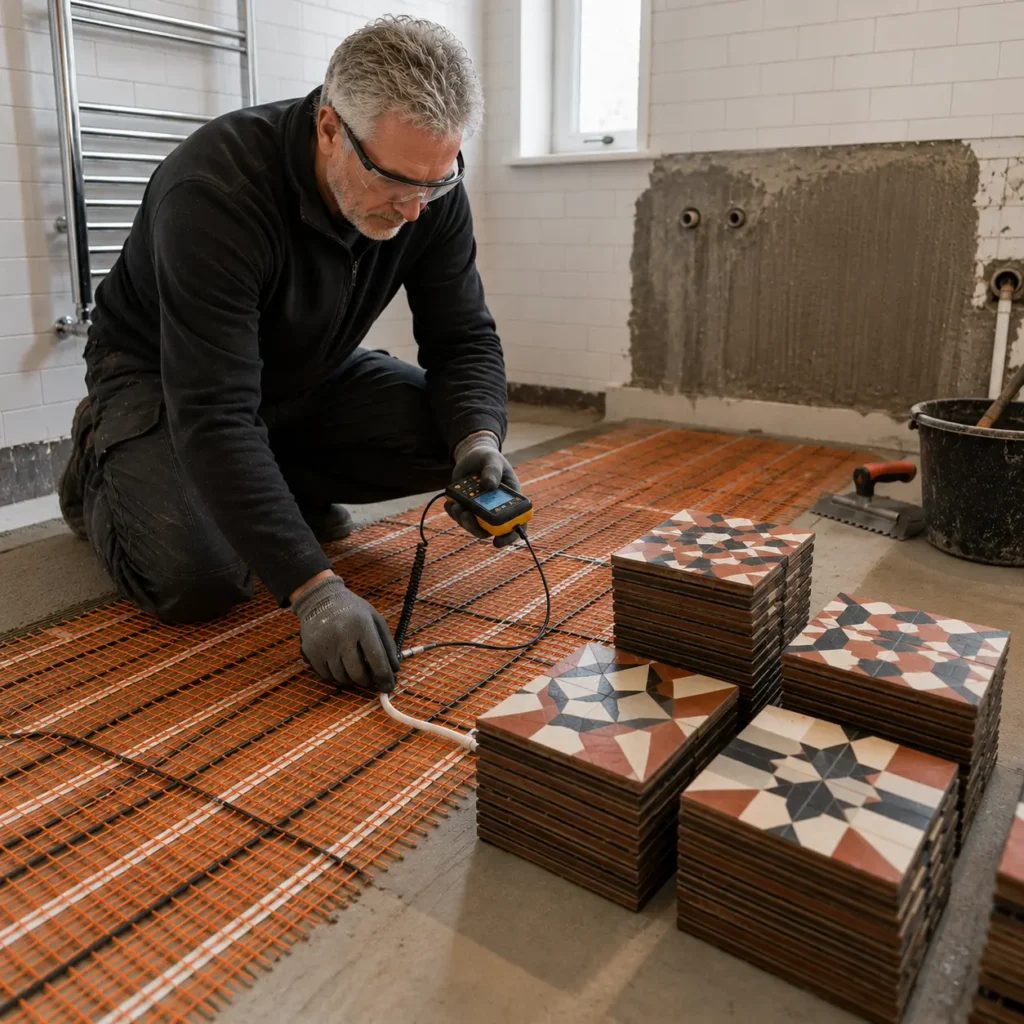
Electric underfloor heating systems are commonly installed within bathrooms, kitchens, and renovation projects where minimal floor build up is preferred. Thin heating mats or cables sit beneath the tiled surface and create rapid heat distribution across smaller spaces.
These systems are often suitable for retrofitting into older properties because installation tends to be less disruptive than water based alternatives. Electric systems also respond relatively quickly after activation, making them useful in rooms that are not heated constantly throughout the day.
Water Underfloor Heating
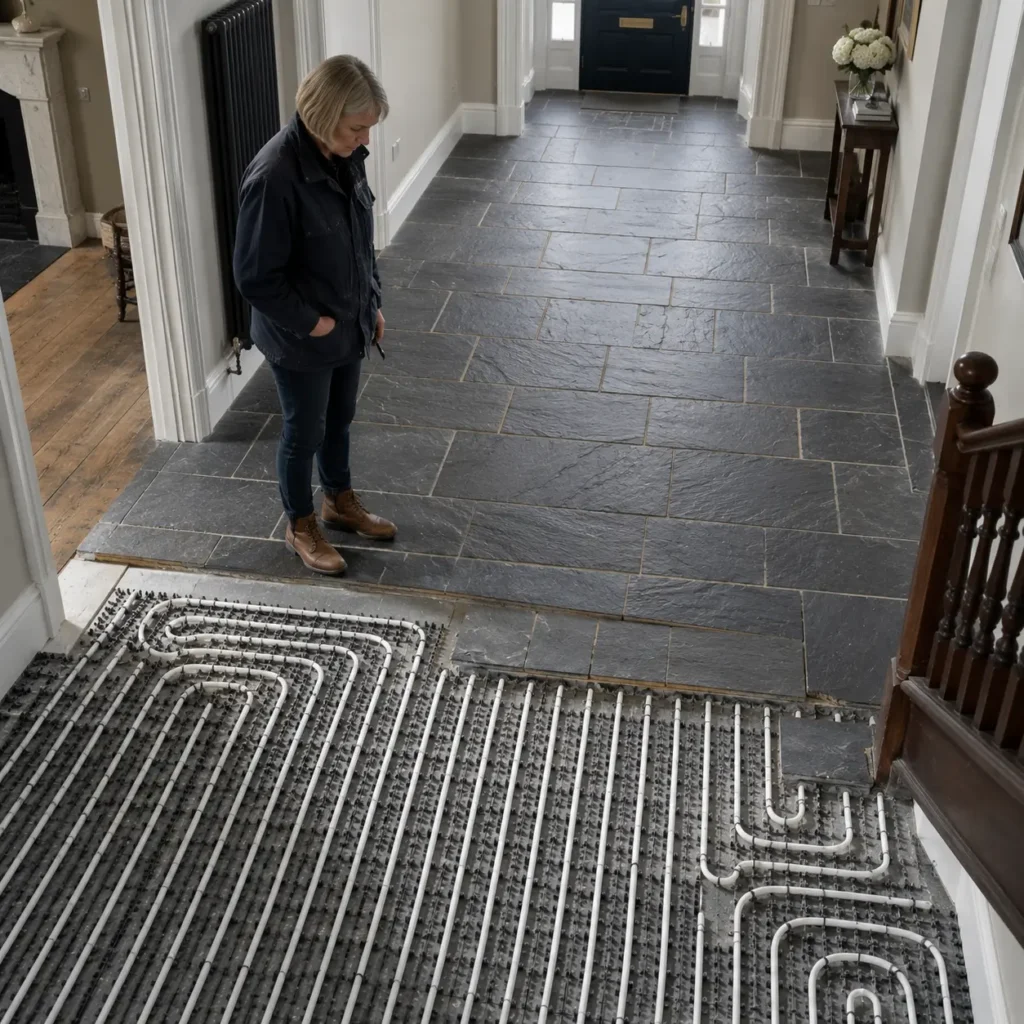
Water based underfloor heating works by moving heated water through a network of pipes installed underneath the tiled surface.
These systems are generally installed during larger refurbishments or extension projects where floor levels can be adjusted more easily. Water systems usually provide better efficiency across larger spaces because warmth rises steadily from the full floor area rather than concentrating around isolated heating points.
They are commonly used within open plan kitchens, basement conversions, and full ground floor renovations. Because these systems require deeper floor construction, planning becomes especially important in period properties where original floor heights and door thresholds may need preserving.
Why Proper Installation Matters
The long term performance of underfloor heating tiles depends heavily on the quality of installation. Even high quality tiles can fail prematurely if the floor structure beneath is unstable or poorly prepared.
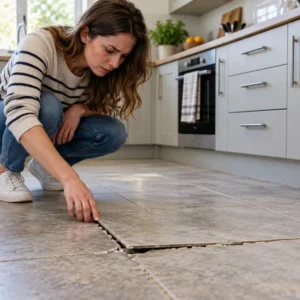
Subfloor preparation is one of the most important stages because uneven flooring surfaces must be properly levelled before any heating system is installed. Older properties often contain structural movement, ageing materials, and irregular floor levels that can eventually lead to loose sections, cracked grout lines, or damaged floor tiles if left untreated.
Floor insulation boards also play an important role because they direct warmth upwards into the room rather than allowing heat loss into the subfloor beneath. This improves heating efficiency while helping the floor warm more consistently.
Flexible tile adhesive and flexible grout are equally important because tiled surfaces experience slight movement as temperatures change. Suitable materials absorb this movement and reduce stress across the floor finish.
Allowing adequate curing time before activating the heating system is another critical step. Switching the heating on too soon may weaken adhesive bonds and compromise the overall stability of the flooring installation.
Maintaining Heated Victorian Tile Floors
Heated Victorian flooring remains relatively straightforward to maintain when cleaned and monitored correctly. Using pH neutral tile cleaner is recommended because harsher cleaning products may gradually affect grout joints and decorative finishes exposed to regular temperature changes from the heating system beneath.
Excessive water should also be avoided during cleaning because moisture collecting around grout lines and tile joints can gradually weaken surrounding materials over time. This becomes especially important with heated flooring systems where repeated warming and cooling cycles already place slight movement stress across the tiled surface.
Periodic inspection is useful for identifying early signs of thermal movement, including loose grout, shifting tiles, or small gaps developing around joints. Addressing these issues early can help prevent larger repairs and maintain the long term stability of heated Victorian flooring.
Underfloor Heating in Older and Heritage Properties
Underfloor heating can work very effectively within period homes when suitable systems are selected carefully. Many older properties contain original tiled hallways, quarry tiles, or decorative entrance flooring that homeowners understandably wish to preserve.
Low profile underfloor heating systems are often preferred in these situations because they minimise disruption to existing floor levels. This helps avoid problems around skirting boards, staircases, fireplaces, and internal door clearances.
Listed buildings and conservation properties may also require additional planning before installation begins. In some cases, specialist assessment is needed to ensure original flooring features remain protected throughout refurbishment work.
Where original tiles require restoration before heating installation, careful preparation becomes essential. Loose tiles, damaged grout, or unstable subfloors should always be repaired properly before heating systems are introduced beneath the surface.
Conclusion
Victorian floor tiles remain one of the most effective flooring options for underfloor heating systems because they combine durability, efficient heat transfer, and long lasting visual appeal. Ceramic, porcelain, and natural stone flooring can all perform exceptionally well when installed with suitable preparation and materials.
Choosing the right heating system, adhesive products, and tile type plays an important role in achieving reliable long term performance. Proper installation also helps prevent common problems such as cracked grout, uneven heating, and structural movement beneath the tiled surface.
For homeowners upgrading period properties or modern interiors alike, professionally installed heated tiled flooring can provide warmth, practicality, and timeless character throughout the home. If you are considering heated Victorian tiling installation in London, Abel Tiler can help create a durable and carefully finished floor suited to both traditional and contemporary interiors.