Introduction
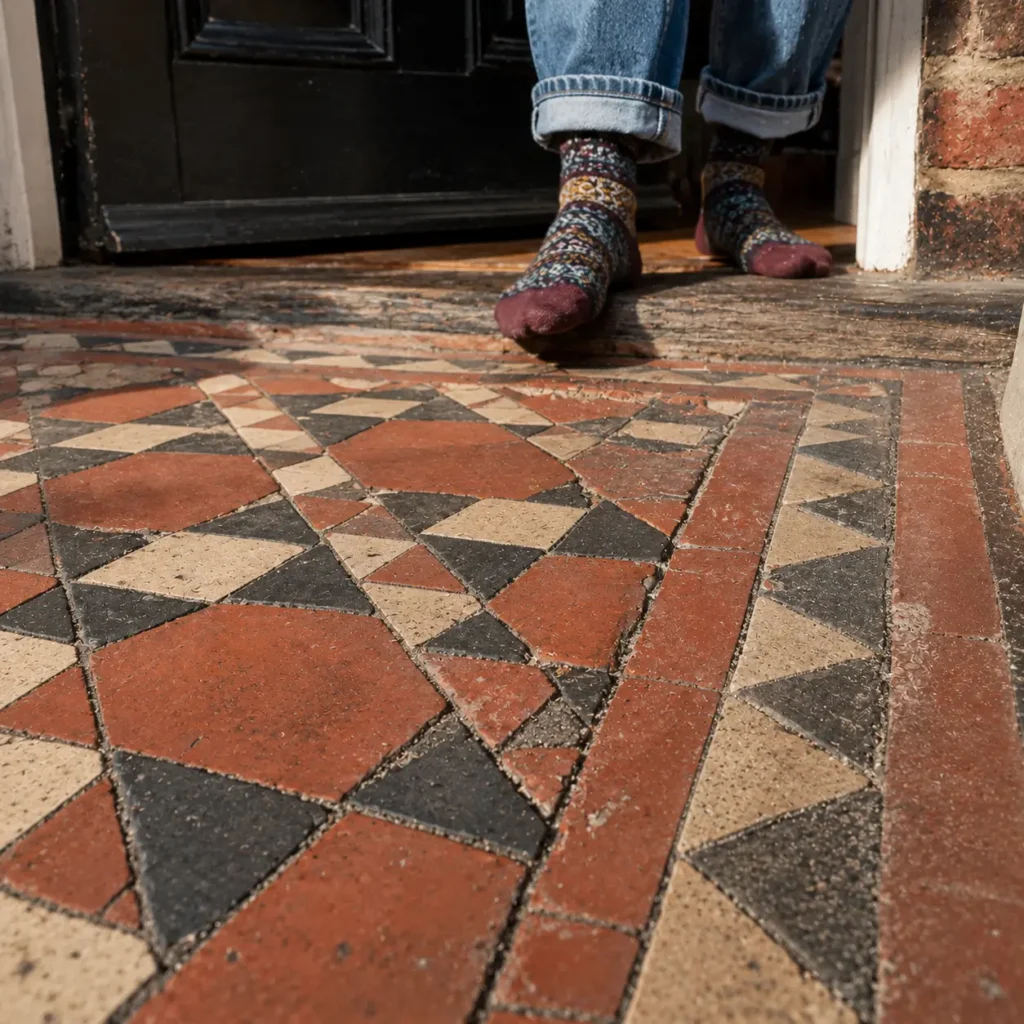
Victorian tiled floors continue to define the character of many London properties, particularly within entrance hallways, porches, kitchens, and garden paths. Their geometric layouts and decorative detailing remain highly desirable in Victorian houses, Edwardian homes, and converted terraced properties throughout the capital. Many homeowners also choose professional Victorian slate tiling services in London to preserve the traditional appearance and craftsmanship found in older period interiors. Despite their durability, many original floors eventually begin showing signs of chipped corners, worn edges, or fine cracks appearing around the tile seams.
In most cases, this type of deterioration develops slowly rather than through a single incident. Moisture exposure, ageing materials, structural movement, and years of foot traffic can all weaken the surface gradually. Once damage begins forming around the edges, the condition often worsens more quickly if the underlying cause remains untreated. Understanding why these problems develop helps homeowners decide whether chipped tile repair, grout restoration, or wider floor stabilisation may be necessary to preserve the condition of older tiled surfaces.
Why Victorian Tile Edges Respond Differently to Wear
Victorian floor tiles were originally manufactured using durable clay based materials designed to withstand long term daily use. However, older tiles can become more vulnerable to edge wear and chipping over time, particularly where decades of foot traffic have gradually weakened surrounding joints and supporting materials.
Unlike many modern porcelain floor tiles, Victorian layouts often use smaller individual tiles arranged in detailed geometric patterns. Because these designs contain more exposed corners and narrow joints, the tile edges are naturally more susceptible to small chips and surface damage once movement or pressure develops within the floor.
Material type also affects chip resistance. Modern porcelain tiles generally provide stronger edge durability because of their dense composition, while older clay based Victorian tiles can become more fragile with age, especially around heavily used entrances and walkways.
How Daily Foot Traffic Gradually Wears Tile Edges
Repeated foot traffic remains one of the main causes of edge chipping within older tiled floors, particularly in busy entrance hallways where outdoor shoes regularly carry grit, dirt, and moisture across the surface. Over time, these abrasive particles gradually wear down vulnerable tile edges, especially around heavily used walking paths near door thresholds.
Corners positioned closest to entrances often show damage first because concentrated pressure repeatedly affects the same exposed sections of flooring. During colder months, wet footwear can worsen the problem by weakening ageing joints and allowing debris to settle more deeply between the tiles. In some older properties, anti slip Victorian floor tiles are also used in entrance areas exposed to regular rainwater because they provide better grip across busy hallway surfaces.
Decorative mosaic floor tiles and smaller geometric layouts are especially vulnerable because they contain a higher number of exposed edges and narrow seams across the floor surface. Once small chips develop, surrounding tiles may gradually loosen as pressure and movement spread through neighbouring sections.
How Weak Mortar Lines Affect Tile Stability
The material between Victorian floor tiles does far more than improve appearance because grout joints help distribute pressure evenly across the floor while supporting the stability of surrounding tiles. Once these joints begin weakening, exposed edges and corners become far more vulnerable to movement and cracking.
In older London homes, ageing grout can gradually become porous after decades of moisture exposure and regular cleaning. Small gaps may then develop between the tiles, allowing water and debris to reach the supporting layers beneath the floor.
Kitchens are particularly vulnerable because repeated temperature fluctuations place additional stress on older grout materials. Heat generated from cooking areas, combined with regular cooling and cleaning cycles, can gradually weaken the joints surrounding decorative flooring over time.
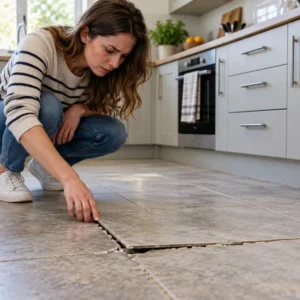
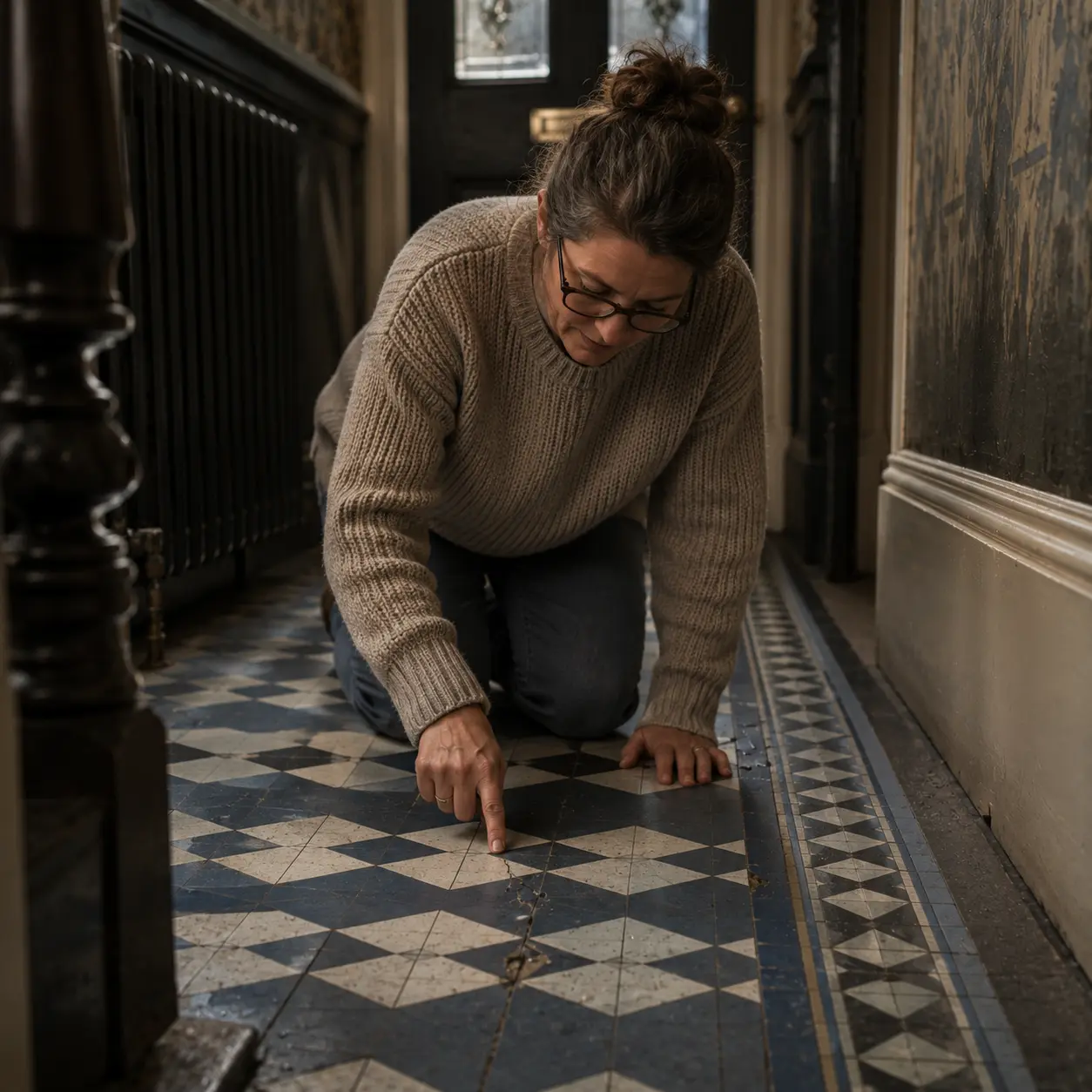
Early warning signs often include hollow sounding sections, loose tile edges, or fine cracks developing near worn areas. Addressing these issues early may help stabilise the floor before more extensive cracked tile repair becomes necessary.
Damp Conditions Inside Period Properties
Moisture related deterioration remains one of the main causes of edge damage and structural instability within older Victorian and Edwardian tiled floors. When water gradually passes beneath the tiled surface, it can weaken the bedding materials supporting the floor, reducing the stability of individual tiles over time.
As the foundation beneath the tiles begins deteriorating, slight movement develops under daily foot pressure, placing extra stress on exposed edges and corners where chipping is most likely to occur. Front thresholds are particularly vulnerable because rainwater, condensation, and colder temperatures regularly concentrate around entrance areas.
Bathrooms and poorly ventilated interiors may also experience similar problems where excess humidity gradually affects grout joints and supporting materials beneath the floor. In colder months, trapped moisture near external entrances can expand during freeze and thaw conditions, further increasing the risk of loose tiles, cracked grout, and damaged tile edges.
Structural Movement Beneath Older Floors
Natural movement within older London properties frequently contributes to cracked and chipped flooring because ageing structures gradually shift and settle over time. As movement develops beneath the floor surface, pressure is transferred directly onto exposed tile edges and corners where damage is most likely to occur.
Many original Victorian floors were installed over timber bases that now flex slightly during everyday use, while uneven subfloors can create concentrated pressure beneath specific sections of the flooring. Thermal expansion from modern heating systems may increase this stress further, particularly where older tiled surfaces were never designed for underfloor heating tiles.
As neighbouring tiles move against one another, vulnerable edges absorb much of the structural strain, often leading to hairline fractures, chipped corners, and gradual surface cracking across the floor.
Impact Damage from Objects and Renovation Work
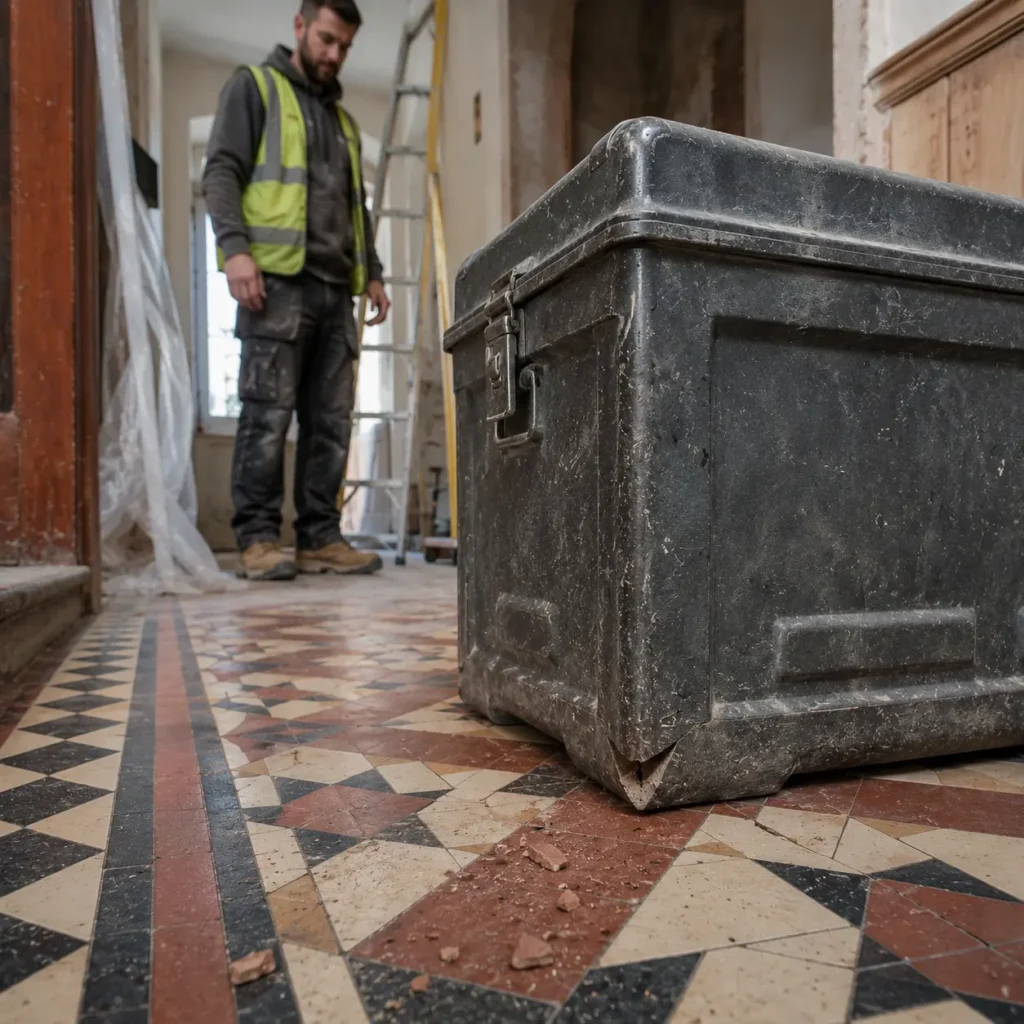
Not all tile edge damage develops gradually. Sudden impact remains a common cause of visible fractures across older tiled floors. Heavy objects dropped onto exposed corners can crack or chip the surface instantly, particularly where the flooring has already weakened with age.
Kitchen floor tiles frequently suffer damage from cookware, appliances, or dining furniture placed under excessive pressure. Renovation projects inside period homes may also create accidental impact damage through ladders, toolboxes, and construction materials resting directly on decorative flooring.
Older encaustic and geometric floor tiles are often more difficult to repair once impact fractures spread through patterned sections. In some situations, replacement pieces may no longer match the surrounding surface accurately due to ageing colour variation across the original installation.
During renovation work, protective coverings should be placed across decorative Victorian flooring before ladders, tools, or heavy equipment are brought into the property.
Cleaning Methods That Accelerate Surface Deterioration
Some maintenance routines unintentionally contribute to long term edge wear within older tiled flooring. Strong chemical cleaners and acidic products can gradually weaken mortar joints, remove protective sealers, and increase surface porosity, particularly around ageing Victorian tiles and natural stone flooring.
As supporting materials begin deteriorating, moisture is able to penetrate more easily beneath the tiled surface, increasing the likelihood of loose sections and weakened tile edges developing over time. Steam cleaning may worsen these issues further where older seams have already become unstable, allowing heat and moisture to reach vulnerable areas beneath the floor.
Abrasive scrubbing pads can also wear away protective glazed finishes, leaving decorative surfaces more exposed to long term deterioration. Gentler maintenance using pH neutral tile cleaner products usually provides safer protection for older tiled floors while helping preserve the stability of surrounding joints and edges.
How Poor Previous Repairs Can Worsen Edge Damage
Older tiled floors often contain repair work completed many years earlier using unsuitable materials or outdated methods. Unfortunately, some previous restoration attempts may contribute to additional stress across the floor rather than improving stability.
Rigid repair compounds and incompatible adhesives can restrict the slight natural movement older floors require. When this happens, pressure frequently transfers directly onto surrounding tile edges and weak sections.
Uneven patch repairs may also create localised stress points where neighbouring tiles sit at slightly different levels. Over time, repeated pressure across these raised sections can lead to further cracking around exposed corners.
Careful restoration work requires materials suited to the movement characteristics of older London properties. Professional grout restoration and tile repair services should stabilise the surface without placing unnecessary rigidity across the surrounding flooring.
Early Warning Signs and Prevention
Early intervention often prevents small chips and edge wear from developing into larger restoration problems. Entrance thresholds are especially vulnerable because moisture, grit, and outdoor debris regularly concentrate around these areas during wet weather.
Keeping hallway floors as dry as possible helps reduce moisture penetration around vulnerable tile seams and exposed edges. Protective mats positioned near external doors can also minimise the amount of abrasive dirt and grit carried across decorative flooring surfaces.
Homeowners should avoid dragging heavy furniture or sharp objects across older tiled floors because concentrated pressure can easily damage exposed corners and weaken ageing edges further. Regular sweeping is equally important because trapped grit gradually wears against vulnerable tile edges during everyday foot traffic.
If tiles begin loosening or small chips continue spreading around entrance areas, arranging repairs early may help prevent wider damage across the surrounding floor.
Conclusion
Victorian tile edge damage usually develops through a combination of ageing materials, moisture exposure, structural movement, and long term surface wear. Although small chips may appear cosmetic initially, they often indicate weakening support beneath the flooring that can worsen gradually over time.
Careful maintenance, moisture control, and early repairs remain essential for preserving older tiled floors throughout London properties. Where damage becomes more severe, professional chipped tiles repair and restoration work can help stabilise the surface while maintaining the original character of period flooring. With suitable care and experienced workmanship, decorative Victorian tiles can continue enhancing traditional homes for many years to come.