Introduction
Victorian quarry tiles have been a familiar feature in British homes for generations. From entrance halls in London terraces to traditional kitchen floors in period properties, they were originally chosen for strength and practicality rather than decoration alone. Today, many homeowners ask whether Victorian quarry tiles are still suitable for modern homes. With their dense clay composition and honest, earthy appearance, they sit comfortably alongside heritage Victorian slate finishes, creating continuity between past craftsmanship and present-day living. In a climate shaped by regular rainfall, muddy footwear and fluctuating temperatures, their durability remains highly relevant.
What Are Quarry Tiles?
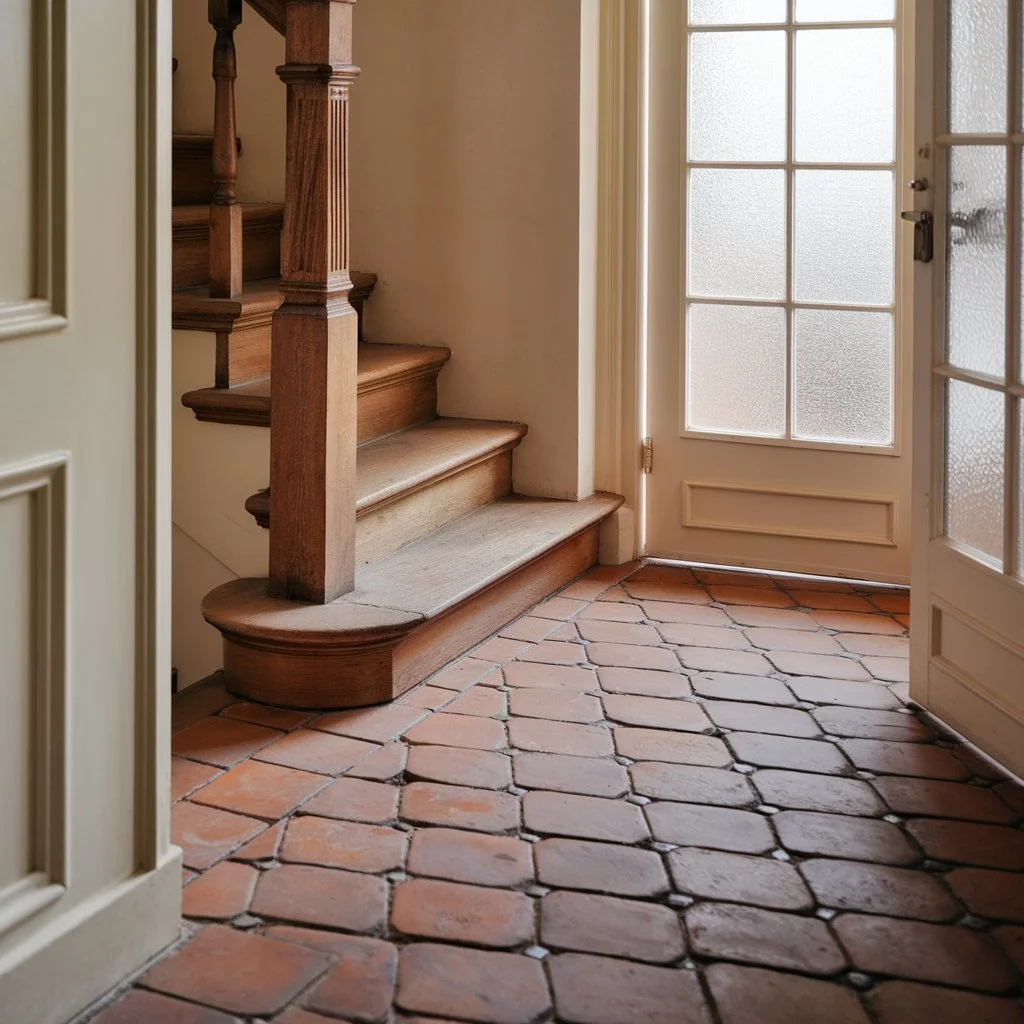
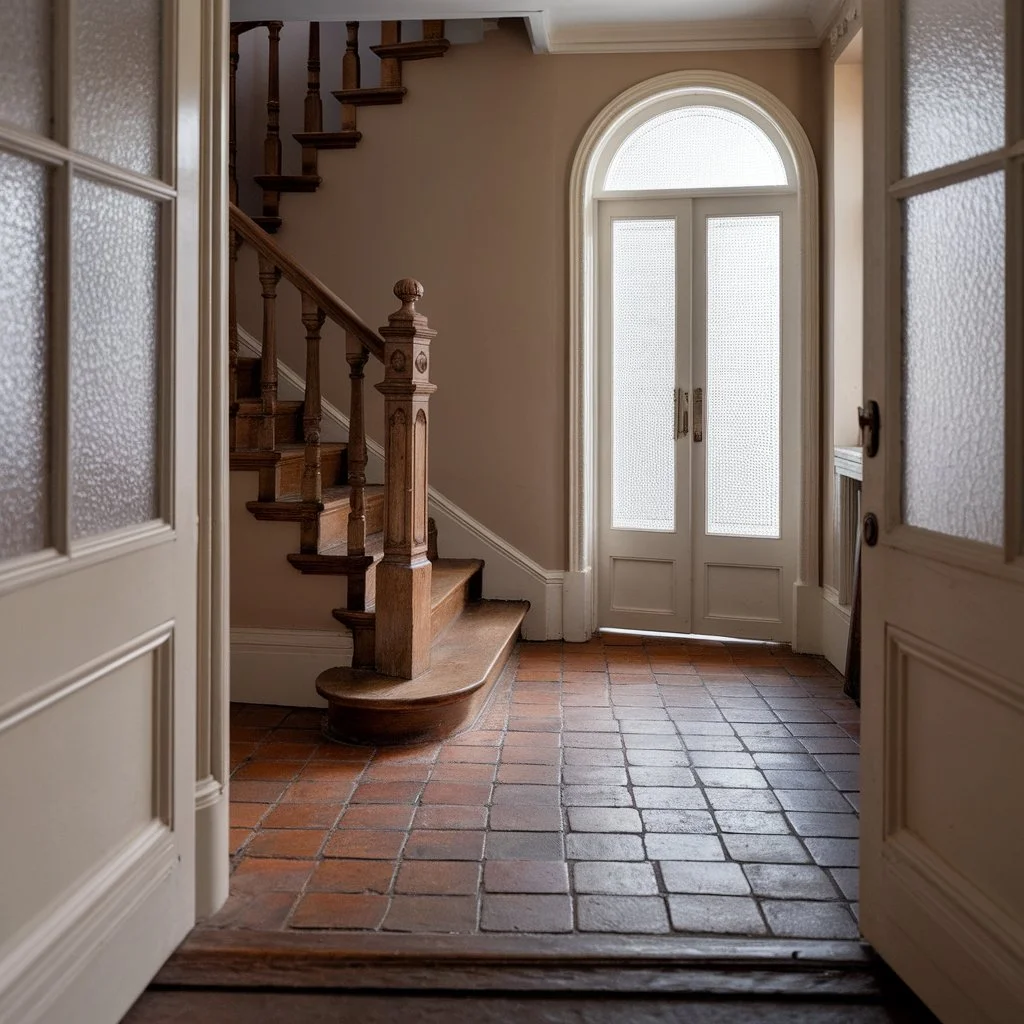
For those wondering what quarry tiles are, they are unglazed clay tiles fired at high temperatures to create a hard wearing and moisture resistant surface. Traditional quarry floor tiles were typically produced in natural red or deep terracotta tones, sometimes combined with black accents to create subtle geometric layouts.
Original Victorian quarry tiles were widely used in service areas, hallways and kitchen spaces because they could withstand constant foot traffic. Their simple appearance allowed them to blend seamlessly into functional areas while maintaining structural reliability. Today, that same strength makes them attractive to homeowners seeking honest materials that age gracefully.
Are Victorian Quarry Tiles Suitable for Modern Living?
The central question remains whether Victorian quarry tiles are suitable for modern living standards. In practice, they continue to perform exceptionally well in busy households.
Quarry tiles Victorian homes relied upon were thick, often around 18mm, giving them structural resilience that many thinner modern tiles do not offer. Frost resistant clay quarry tiles and options with a low water absorption rate are particularly suited to British weather conditions.
They remain a strong choice for:
- Quarry tiles for kitchens and hallways
- Entrance spaces exposed to rain and dirt
- Utility rooms and boot areas
- Quarry tiles for listed properties and conservation areas
Many London homeowners find that Victorian quarry tiles for period homes transition smoothly into contemporary extensions when colour matching and layout are handled professionally.
Durability, Safety and Compliance
Are quarry tiles durable enough to meet current expectations? Yes, particularly when sourced to comply with BS EN 14411 standards, which confirm quality and structural performance.
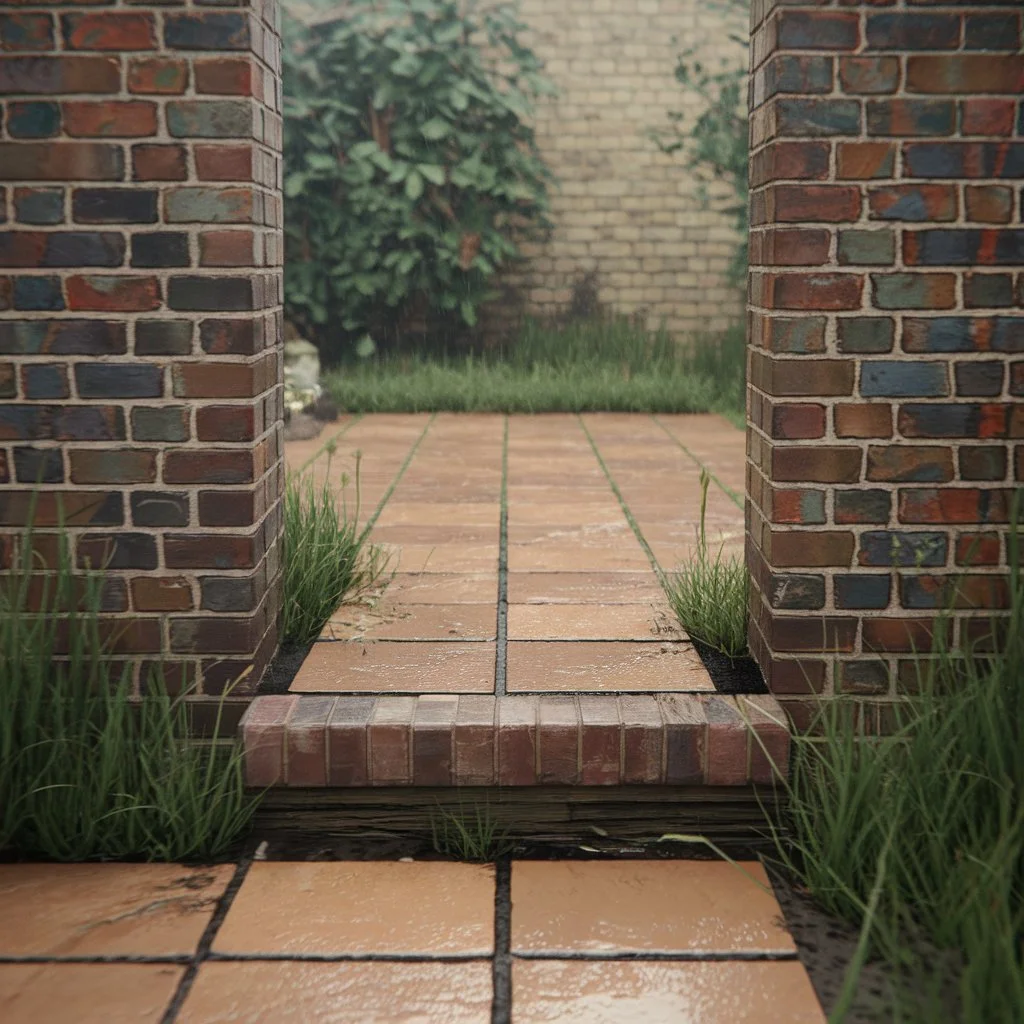
Their solid clay body means colour runs throughout the tile rather than sitting on a surface glaze. This reduces visible wear over time. Textured finishes can provide R11 slip resistant quarry tiles performance, offering reassurance in damp environments such as hallways or garden access points.
Underfloor heating compatibility with quarry tiles is also achievable with appropriate subfloor preparation, allowing homeowners to combine traditional materials with modern comfort.
Quarry Tiles vs Ceramic Tiles
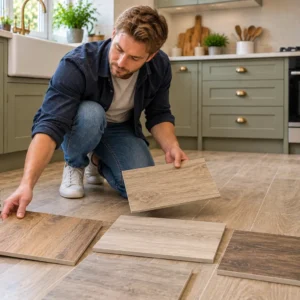
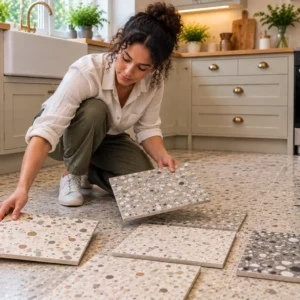
When comparing quarry tiles vs ceramic tiles, the difference lies largely in composition and character. Ceramic tiles often offer decorative finishes and glazing options, while terracotta quarry tiles provide natural tones that suit period settings and understated interiors.
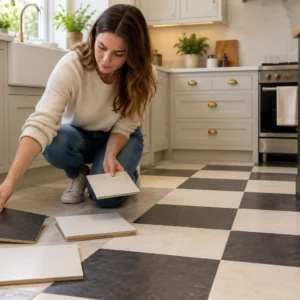
Ceramic tiles may suit contemporary decorative schemes, but quarry tiles Victorian properties featured were designed to last. They are often paired harmoniously with patterned surfaces such as black and white Victorian tiles, allowing homeowners to combine earthy clay tones with classic monochrome detailing. Their density, thickness and minimal surface treatment make them especially appropriate for heritage renovations and practical family homes.
Rather than competing, the two materials serve different design intentions. For homeowners restoring original Victorian quarry tiles or matching original quarry tiles in extensions, clay based quarry options often maintain authenticity more effectively.
Installation and Laying Victorian Quarry Tiles
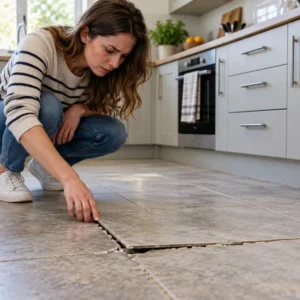
Laying Victorian quarry tiles requires careful preparation. A stable, level subfloor prevents cracking and ensures consistent alignment, particularly across larger open spaces.
In London properties where older foundations may have shifted slightly over time, professional installation becomes essential. Matching original quarry tiles in extensions involves careful selection of tone and size to preserve continuity.
Bullnose quarry tiles for steps and hearth edges provide a clean transition and protect vulnerable edges from damage. When sealing Victorian quarry tile floors properly, the finish becomes more resistant to staining while retaining its natural texture.
Maintenance and Cleaning Victorian Quarry Tiles
Maintenance of quarry floor tiles is straightforward when correct sealing and routine care are applied. Cleaning Victorian quarry tiles typically involves pH neutral products that protect the clay structure.
Because they are unglazed, quarry tiles benefit from periodic resealing to maintain stain resistance. With this simple maintenance approach, they retain their strength and appearance for decades.
Many homeowners appreciate that Victorian quarry tiles develop a subtle patina over time, adding character rather than appearing worn.
Restoration and Reclaimed Tiles in Modern Homes
Reclaimed Victorian quarry tiles for restoration projects remain popular across London, particularly in conservation areas where architectural integrity must be preserved. Restoring original Victorian quarry tiles can enhance property value while respecting the building’s history.
In both period refurbishments and modern renovations, quarry tiles Victorian heritage spaces once relied on continue to provide a grounded, practical flooring option. Their indoor and outdoor suitability makes them adaptable to today’s open plan living arrangements.
Speak to Abel Tiler About Victorian Quarry Tiles for Your Home
Victorian quarry tiles remain suitable for UK homes because they combine resilience, safety and timeless appeal. From kitchens and hallways to listed property restorations, they continue to perform reliably in British conditions.
Abel Tiler specialises in installing, restoring and laying Victorian quarry tiles with precision and care. Whether integrating them into a modern refurbishment or preserving original flooring in a period home, our team delivers durable results tailored to London properties. Contact Abel Tiler today to enhance your space with professionally installed quarry tile flooring built for modern life.