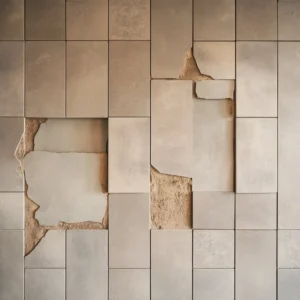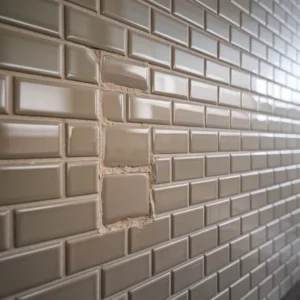
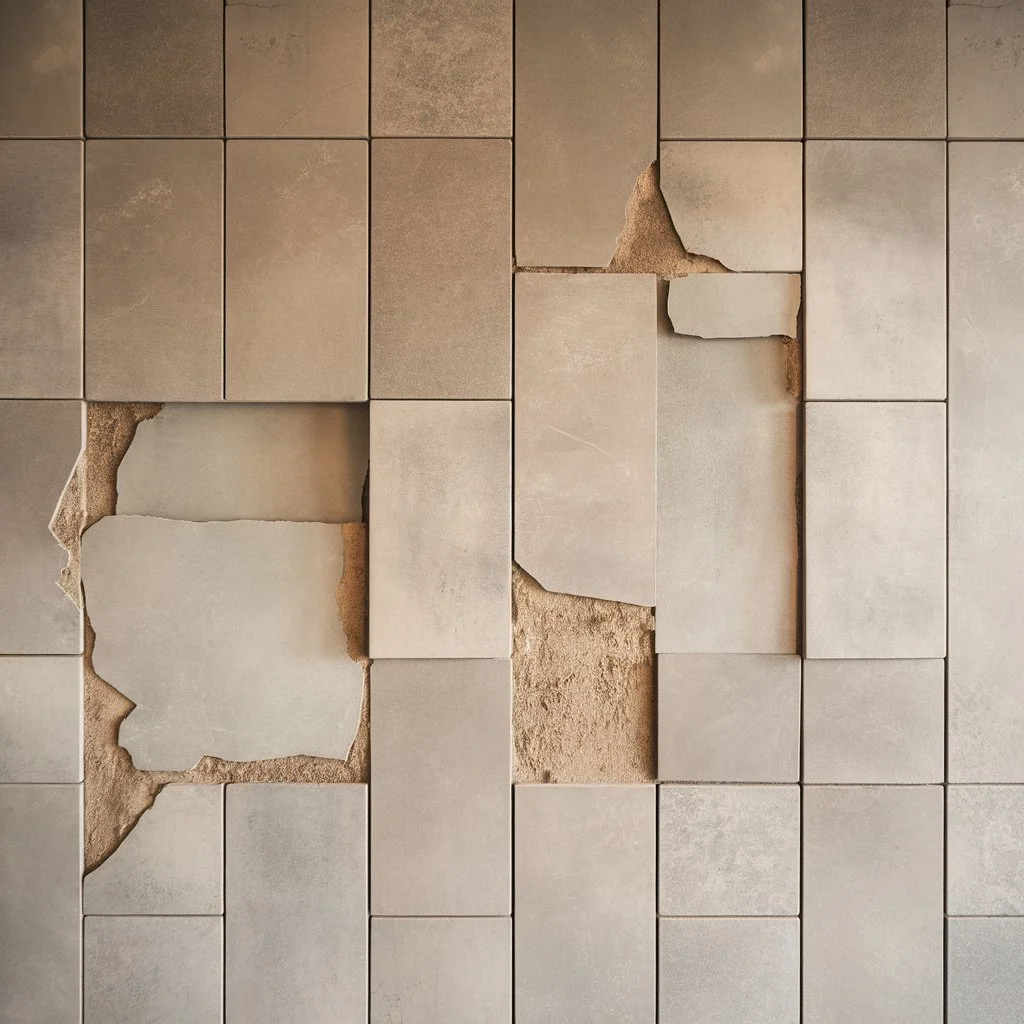
Loose wall tiles are one of the most common issues homeowners notice after a renovation, often appearing months or even years after the work is completed. In London properties, where damp conditions, older walls, and frequent temperature changes are part of everyday living, wall tiles coming loose can quickly turn from a small concern into a costly repair. This is why investing in properly planned wall tiling solutions is essential for long term durability in kitchens, bathrooms, and living spaces. Many homeowners are surprised to learn that tile problems usually begin beneath the surface rather than from everyday use. Understanding why wall tiles come loose helps protect interiors from further damage while maintaining a clean and durable finish. This guide explains the real causes behind loose wall tiles and how the right preparation, materials, and skilled workmanship help prevent tiles falling off walls altogether.
What Causes Loose Wall Tiles in Homes
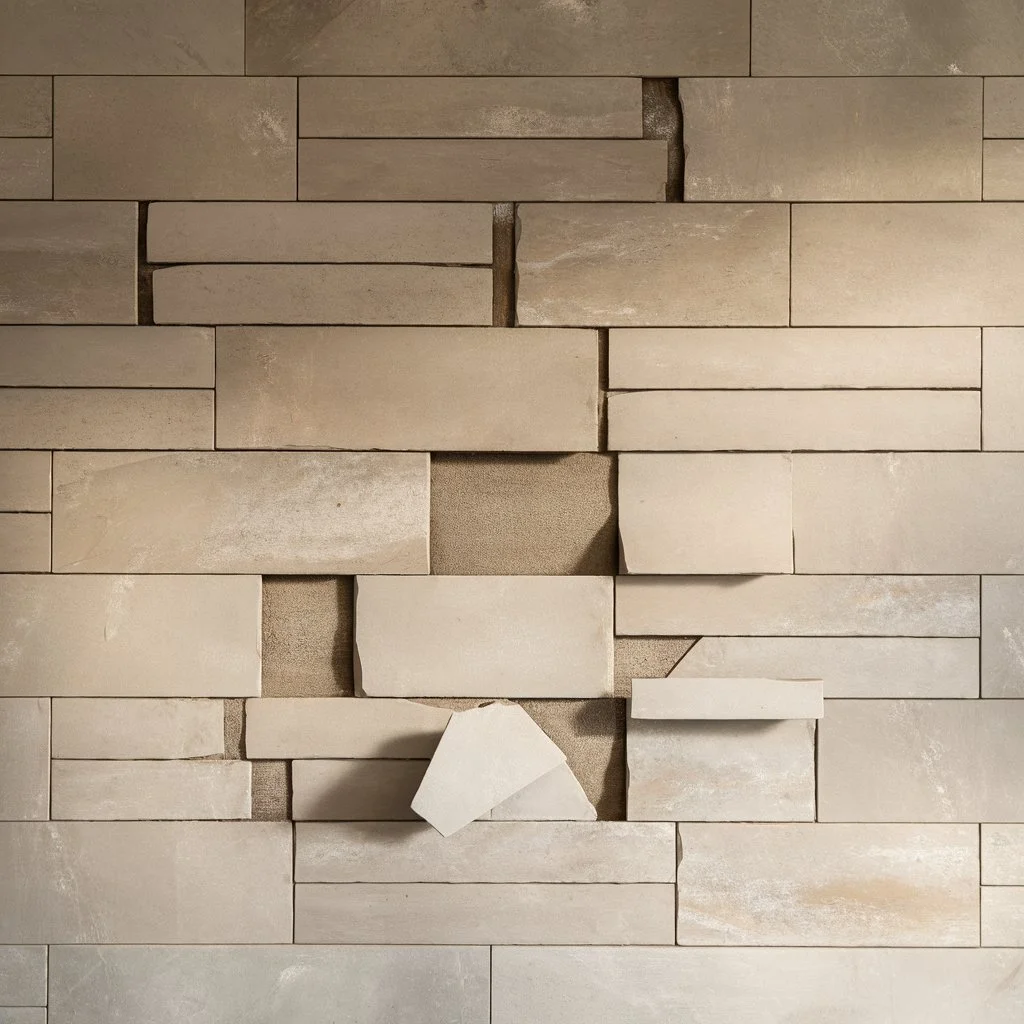
Loose wall tiles rarely fail without warning. In most cases, the problem develops slowly as the bond between tile, adhesive, and wall weakens over time. Wall tile failure often starts during installation, even if it is not visible straight away. In London homes, common contributing factors include moisture exposure, older plaster walls, and surfaces that were not prepared correctly before tiling began. Movement within the building structure can also play a role, especially in period properties where walls naturally expand and settle. When these factors combine, tiles gradually lose adhesion until they become hollow sounding, cracked, or detached.
Poor Surface Preparation Behind Wall Tiles
One of the leading reasons wall tiles come loose is poor surface preparation. Tiling over dusty plaster, painted walls, or unprimed surfaces prevents adhesive from bonding correctly. In older London properties, walls are often uneven or weakened by years of repairs, which makes preparation even more important. If the wall substrate is not levelled, cleaned, and properly primed, tile adhesive struggles to grip. Over time, gravity and daily use cause loose tiles on the wall, especially in high traffic areas such as kitchens and bathrooms where moisture is common.
Using the Wrong Tile Adhesive
Wall tile adhesion problems frequently occur when the incorrect tile adhesive is used. Not all adhesives are designed for every surface or environment. Lightweight tiles, large format tiles, and natural stone each require specific adhesive types. In damp areas, such as shower walls, adhesive must cope with constant moisture and temperature changes. Using a low quality or unsuitable adhesive often leads to inadequate coverage, creating weak points behind tiles. These gaps allow moisture to build up, increasing the risk of wall tiles coming off sooner than expected.
Moisture and Water Damage Behind Wall Tiles
Moisture is a major cause of tiles falling off walls, particularly in bathrooms and kitchens. Even small amounts of water seeping behind tiles can weaken adhesive over time. Poor waterproofing, missing grout sealant, or cracked grout lines allow moisture to reach the wall substrate. In London, where humidity and damp are common, water damage behind tiles can go unnoticed until tiles begin popping away from the wall. Once moisture affects the bonding layer, loose wall tiles become inevitable unless addressed promptly.
Movement in Walls and Building Structure
Movement within wall substrates is another reason wall tiles come loose. Older homes often experience natural settlement, while newer buildings may shift slightly as materials adjust. Uneven wall substrates or minor structural movement place stress on tiled surfaces. If tiles are fixed without allowing for natural movement, the rigid tile layer cannot flex, leading to grout cracks and hollow sounding wall tiles. Over time, this pressure causes tiles to loosen, especially along edges and corners.
Early Grouting and Weak Tile Bonds
Grouting too early is a common tiling mistake that contributes to loose wall tiles. Tile adhesive requires adequate curing time to achieve full strength. Applying grout before the adhesive has set properly can disturb the bond behind the tile. This results in poor tile adhesion, even if the surface initially appears secure. Early grouting also traps moisture behind tiles, increasing the risk of wall tile popping or failure later. Proper timing during installation plays a crucial role in long lasting tiled walls.
Signs That Wall Tiles Are Starting to Come Loose
Catching loose wall tiles early helps prevent extensive repairs. Homeowners should look for subtle warning signs that indicate tile adhesion problems beneath the surface. These include:
- Hollow sounds when tapping tiles
- Hairline cracks in grout lines
- Tiles that feel slightly raised or uneven
- Discolouration or damp patches near tiled areas
These signs often appear before tiles fall off walls completely. Addressing them early helps protect surrounding tiles and prevents damage spreading across the wall.
How Professional Installation Prevents Loose Wall Tiles
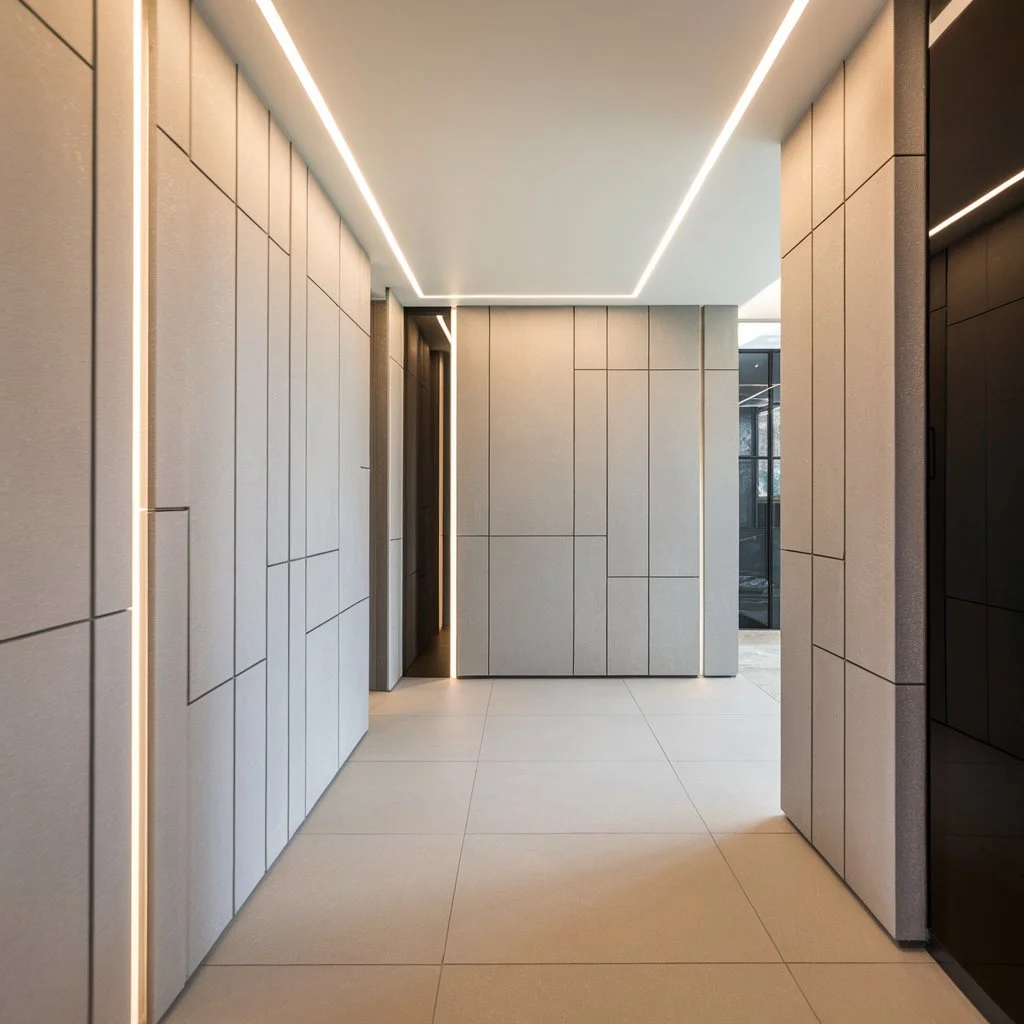
Preventing loose wall tiles begins with correct installation from the start. Professional tiling focuses on thorough surface preparation, accurate adhesive selection, and careful fixing techniques. Walls are assessed for moisture, unevenness, and suitability before tiling begins. Adhesive is applied evenly to ensure full coverage behind each tile, reducing voids where moisture can collect. Grouting and sealing are completed only after adhesive has cured fully, ensuring long term stability even in damp conditions common across London homes.
Preventing Loose Wall Tiles in Bathrooms and Kitchens
Bathrooms and kitchens require extra attention due to regular water exposure. Preventing loose wall tiles in these spaces involves combining waterproofing systems with high quality materials. Proper tanking behind shower walls, correct adhesive choice, and sealed grout lines all work together to protect tiles. Regular maintenance also supports tile longevity by preventing water penetration and spotting early grout damage. When tiles are installed correctly, these spaces remain durable and visually appealing for years.
Why Professional Tiling Makes a Long Term Difference
Loose wall tiles are rarely the result of a single issue. They develop from a combination of poor preparation, incorrect materials, and environmental conditions. Professional tiling reduces these risks by applying experience and precision at every stage. From assessing wall conditions to ensuring correct adhesive coverage, expert workmanship delivers a secure and lasting finish. Careful planning also considers the color combination of wall and floor tiles, ensuring materials expand, perform, and age consistently while maintaining a cohesive, long lasting tiled surface.
Protect Your Walls with Expert Tiling Solutions
Loose wall tiles can compromise both appearance and safety if left unchecked. Professional tiling ensures walls are properly prepared, protected from moisture, and finished to withstand everyday use. If you are planning a renovation or noticing early signs of wall tile problems, contact Abel Tiler today to secure durable, expertly installed wall tiling solutions across London that stand the test of time.