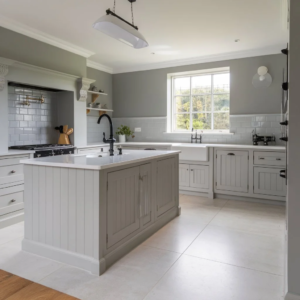
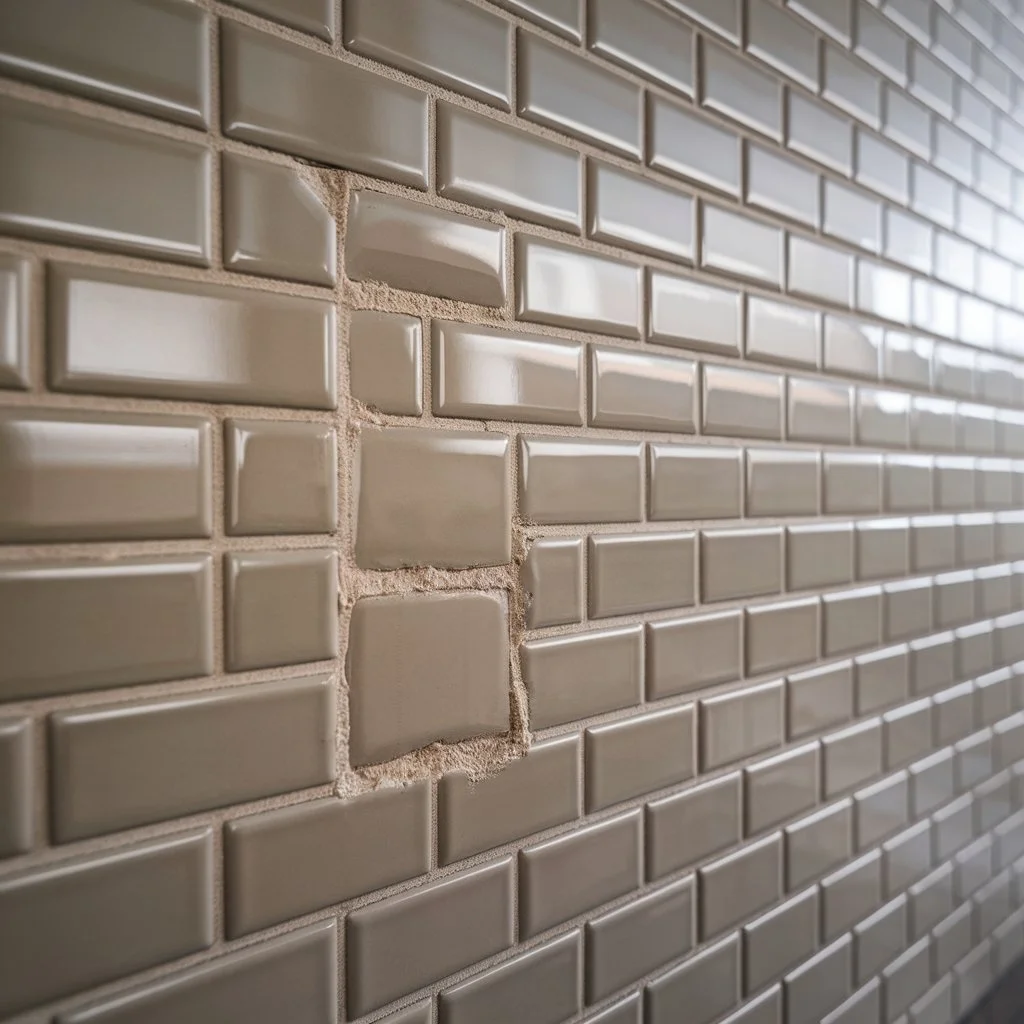
Wall tiling has a major impact on how a room looks and performs, particularly in London homes where kitchens, bathrooms and feature walls often define the space. While tiling may appear straightforward, even small wall tiling mistakes can quickly lead to uneven tiles, messy grout lines and a finish that never quite feels right. This is why many homeowners choose professionally installed wall tiling to achieve consistent alignment and long lasting results. London properties also present added challenges, from older plasterwork to damp conditions and structural movement. Understanding where common wall tiling errors occur helps homeowners and property managers avoid costly corrections later. When done properly, wall tiling delivers a clean, durable surface that enhances both appearance and long term performance.
Why wall tiling mistakes are so common in London properties
Many common wall tiling mistakes stem from underestimating the condition of the walls themselves. In London homes, walls are rarely perfectly flat and often conceal moisture, aged plaster, hairline cracks or historic repairs that affect adhesion. Gravity also works against wall tiles, making alignment and setting times far more critical than with floors. Rushing installation or skipping proper checks frequently results in crooked tile lines or an overall poor tiling finish that becomes more noticeable over time. Taking time to assess the surface, moisture levels and layout properly is essential for a result that looks balanced, durable and professionally finished.
Poor surface preparation and adhesion problems
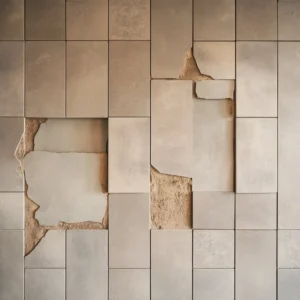
Poor surface preparation for tiling is one of the biggest causes of uneven wall tiles and long term adhesion failure. Dust, flaking paint, loose plaster or residual damp prevent tiles from bonding securely, particularly in kitchens, bathrooms and utility areas where moisture levels fluctuate daily. Incorrect tile adhesive or adhesive application errors further weaken the installation, causing tiles to slip or detach after curing. Using the correct primer, adhesive and setting method for each wall type ensures strong tile adhesion, improves load bearing strength and reduces the risk of future repairs.
Wall tiling layout mistakes and alignment issues
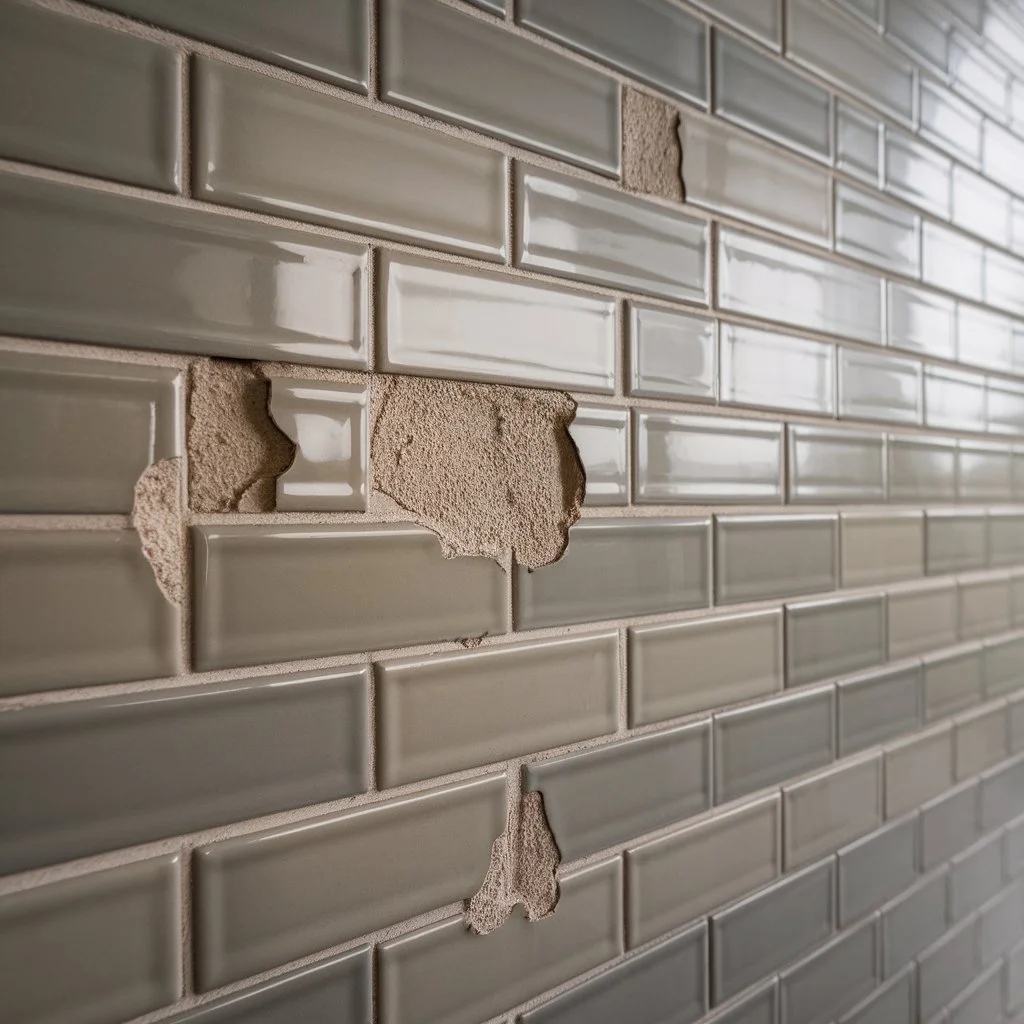
Wall tiling layout mistakes are often immediately visible once the job is complete, especially under natural or directional lighting. Crooked tile lines, uneven starting points or poorly planned cuts around sockets, pipework or fixtures disrupt the visual flow of a wall. Tile alignment issues typically occur when setting out ignores focal points such as splashbacks, shower valves or feature walls. Careful measuring, dry laying and balanced positioning before installation ensures tiles sit evenly and the finished surface feels intentional, symmetrical and well proportioned.
Incorrect spacing and uneven grout lines
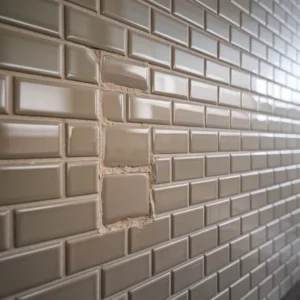
Incorrect tile spacing is a frequent cause of uneven grout lines and an untidy overall appearance. Inconsistent gaps make walls look rushed and can lead to grout cracking or moisture ingress over time. Grouting too early is another common wall tiling error, as tiles that have not fully cured may shift under pressure. This is particularly risky in colder or damp London properties. Allowing proper setting time and maintaining consistent spacing produces clean grout lines that protect the tiles, enhance durability and improve long term maintenance.
Tile damage and material handling errors
Cracked or chipped tiles are often the result of rushed cutting, poor tool selection or improper handling during installation. Even small surface defects can ruin the appearance of a tiled wall, especially in kitchens and bathrooms where lighting highlights imperfections. Miscalculating tile quantities also causes issues, as sourcing additional tiles later may result in shade variation or discontinued batches. Accurate measurement, careful handling and ordering sufficient tiles from the outset ensures visual consistency and a refined finish across the entire wall area.
How professional wall tiling avoids costly rework
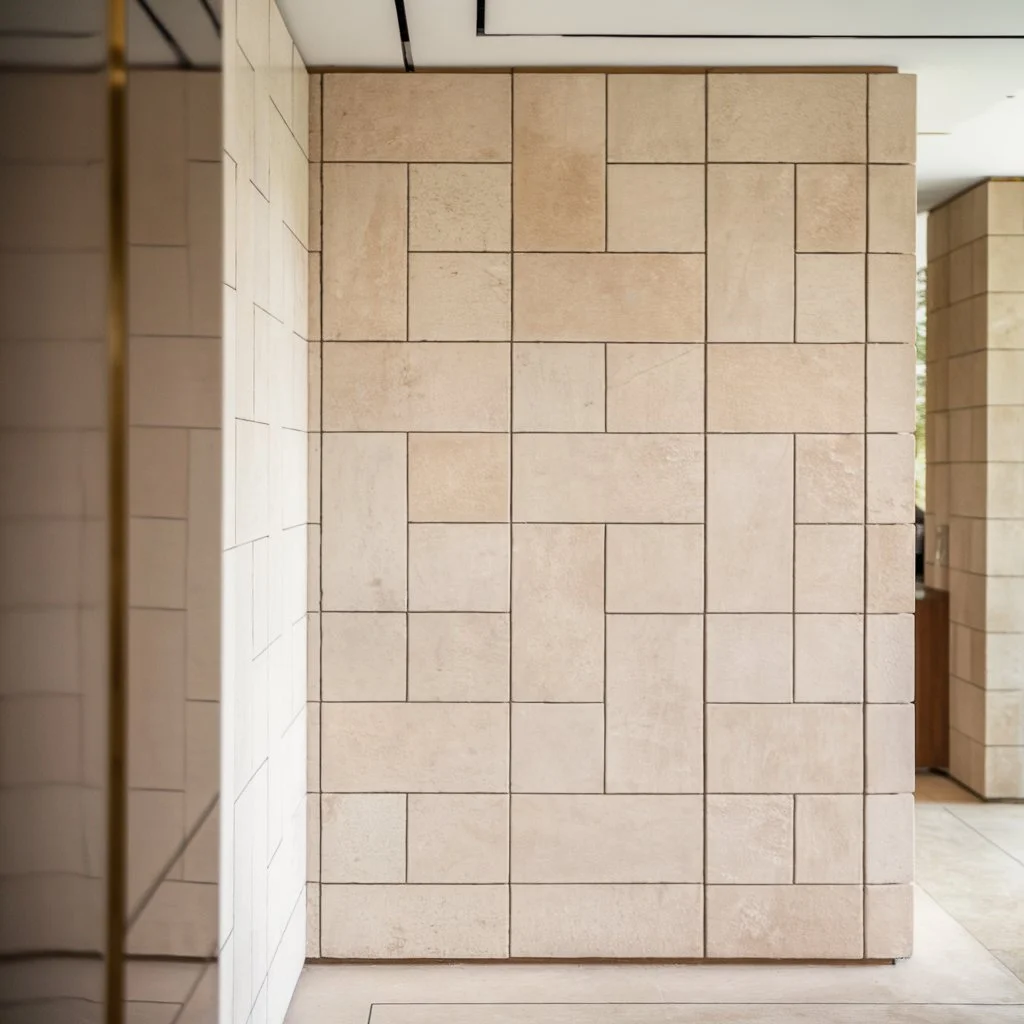
Avoiding wall tiling mistakes requires experience, patience and attention to detail at every stage of the process. From assessing wall movement and moisture levels to selecting the correct adhesive and setting tiles with precision, professional wall tiling prevents issues that lead to costly rework. Correct installation also protects surrounding finishes and reduces material waste. This structured approach ensures the tiled surface remains secure, visually consistent and fit for daily use without premature failure or repair.
Why expert wall tiling matters for London homes and businesses
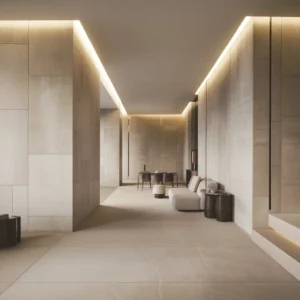
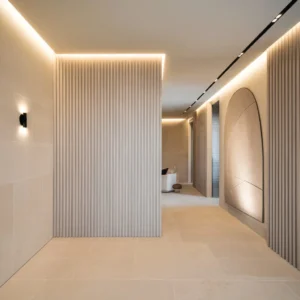
London properties demand wall tiling that can withstand damp conditions, temperature changes and frequent use while maintaining a clean, polished appearance. Professional wall tiling improves waterproofing, hygiene and ease of cleaning across residential and commercial spaces. In kitchens, bathrooms and high traffic environments, correct installation reduces mould risk and tile movement. Whether upgrading a modern apartment or refurbishing a period property, expert tiling delivers durability, compliance and long term value.
Achieve a flawless wall tiling finish with expert craftsmanship
Wall tiling mistakes can undermine even the most carefully designed spaces, leading to uneven finishes and avoidable costs. With the right preparation, materials and installation expertise, these issues can be prevented entirely. Abel Tiler delivers professional wall tiling across London with a strong focus on precision, durability and clean finishes. From kitchens and bathrooms to statement areas such as feature wall tiles for living room, every project is completed with care and attention to detail. Contact Abel Tiler today to achieve a wall tiling finish that enhances your space and stands the test of time.