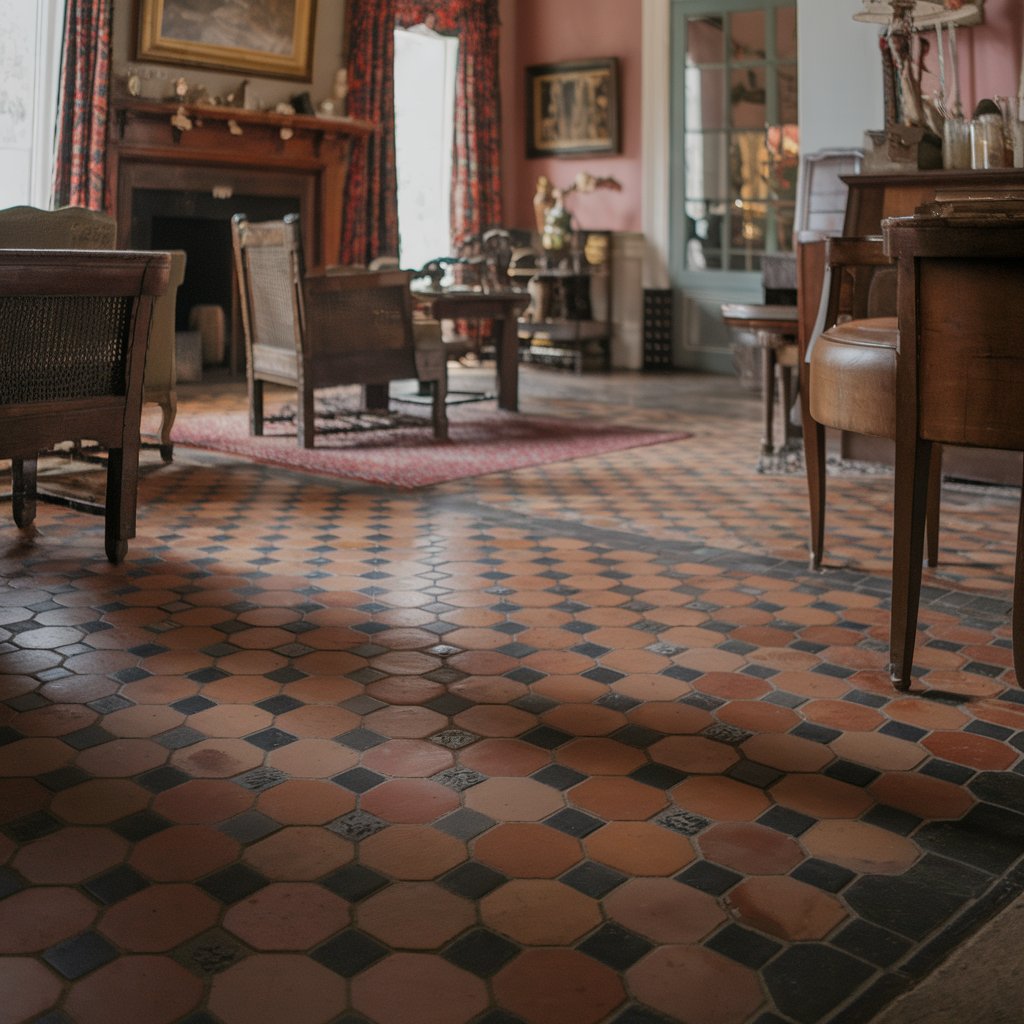
Victorian floor tiles bring rich heritage and refined beauty to homes across London and the surrounding areas. These patterned encaustic surfaces merge timeless design with durability that withstands damp British weather and everyday foot traffic. Many period properties benefit from classic Victorian tiling techniques, adding character to entrance halls, kitchens, and other key spaces. Mastering the art of laying Victorian floor tiles ensures lasting results, whether restoring a traditional hallway or updating a commercial premises. Abel Tiler specialises in Victorian floor tile installation, using careful preparation and precise methods to uphold authenticity. Every project reflects a commitment to durability and style, enhancing London’s distinctive architectural charm while delivering a sound flooring solution.
Establishing a Stable Foundation
A level, secure substrate supports any Victorian floor tile installation. Levelling the floor beforehand removes dips or uneven areas that could lead to tile cracks. Subfloors must be checked for moisture, as dampness undermines adhesion and creates potential mould issues. Removing existing coverings, smoothing out rough patches, and verifying structural integrity sets the stage for successful work. Meticulous base preparation also helps maintain grout spacing for Victorian tiles, ensuring each tile fits seamlessly and preserves the iconic look of vintage patterned designs.
Mapping and Pattern Alignment
Correct layout and alignment keep decorative motifs consistent. how to lay Victorian tiles in a hallway, for instance, begins with a dry run to position borders and central patterns precisely. Reference lines maintain harmony across the space, whether it’s a busy hallway or a compact entrance. Patterned Victorian tiles often feature complex repeats that require exact spacing. Laying out tiles beforehand stops errors and preserves design coherence. This stage is vital for how to lay a Victorian tile floor effectively, delivering a classic, sharp finish.
Setting the Tiles
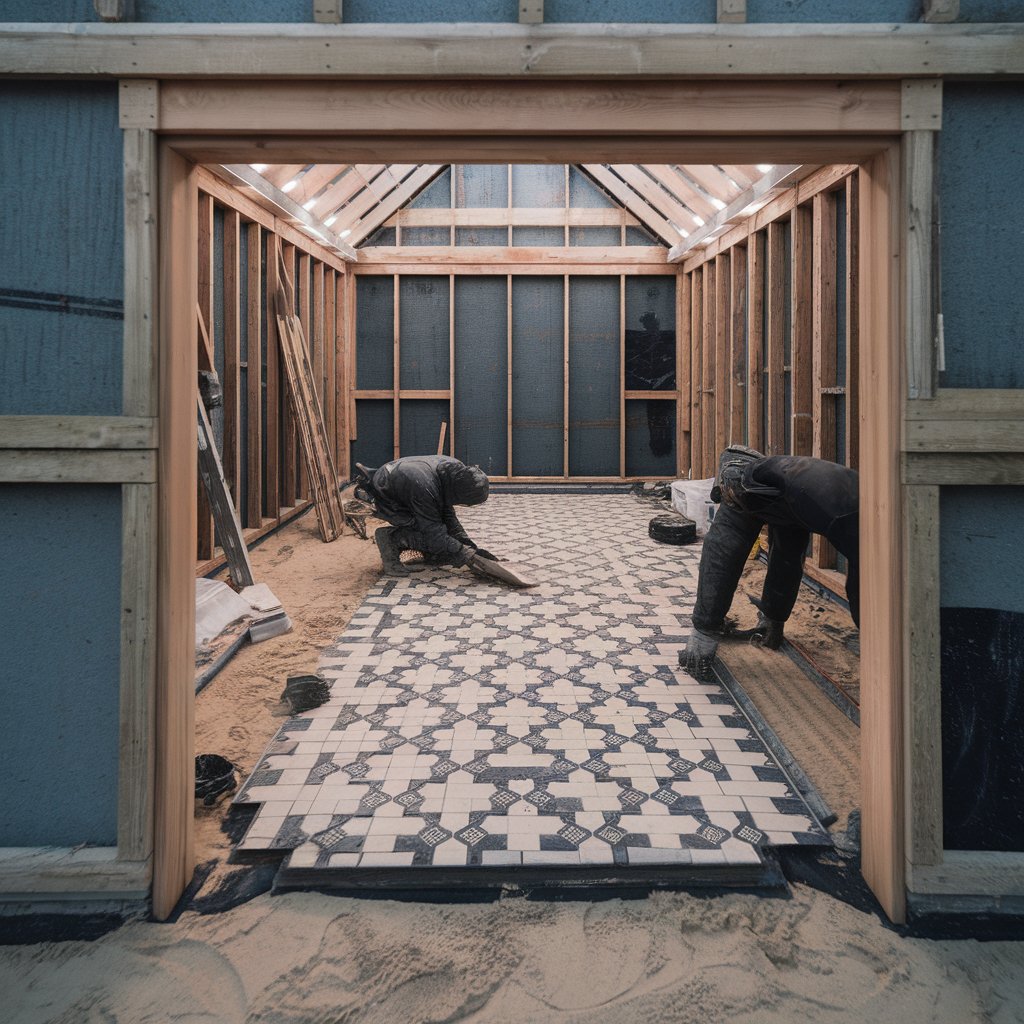
Adhesive spread evenly with a notched trowel holds tiles firmly in place. Positioning tiles along marked lines controls any tile drift. Classic Victorian tiling techniques focus on uniform spacing, allowing grout lines to complement the intricate designs. Victorian floor tile installation relies on consistent adhesive coverage to prevent voids that compromise durability. Edges around corners and obstacles call for precise cuts that respect vintage floor tile borders. High-quality materials and skilful placement protect against moisture infiltration and day-to-day wear in London’s shifting climate.
Grouting and Sealing
A carefully matched grout shade enhances the visual impact of patterned surfaces while sealing gaps against water penetration. Grouting Victorian tiles involves sweeping grout into joints, removing excess, and wiping with a damp sponge. Smooth, even lines define each tile, sustaining the period aesthetic. Sealing porous Victorian tiles locks out stains and boosts longevity, particularly in frequently visited spaces. This process shields against spills and ensures timeless Victorian interior décor stands up to London’s damp conditions and heavy footwear.
Maintenance and Care
Routine upkeep prevents grime from dulling intricate tile patterns. Gentle cleaning with pH-neutral products removes dirt, preserving vibrant colours and ornamental features. Regular checks catch minor cracks or loose sections early. British rain and muddy footprints can wear surfaces over time, so consistent attention guards against permanent damage. Classic floor tile maintenance includes wiping up liquids quickly and placing doormats to reduce grit. Practical steps sustain the original charm of these heritage surfaces, maintaining a grand entrance for any property.
Typical Challenges in London Homes
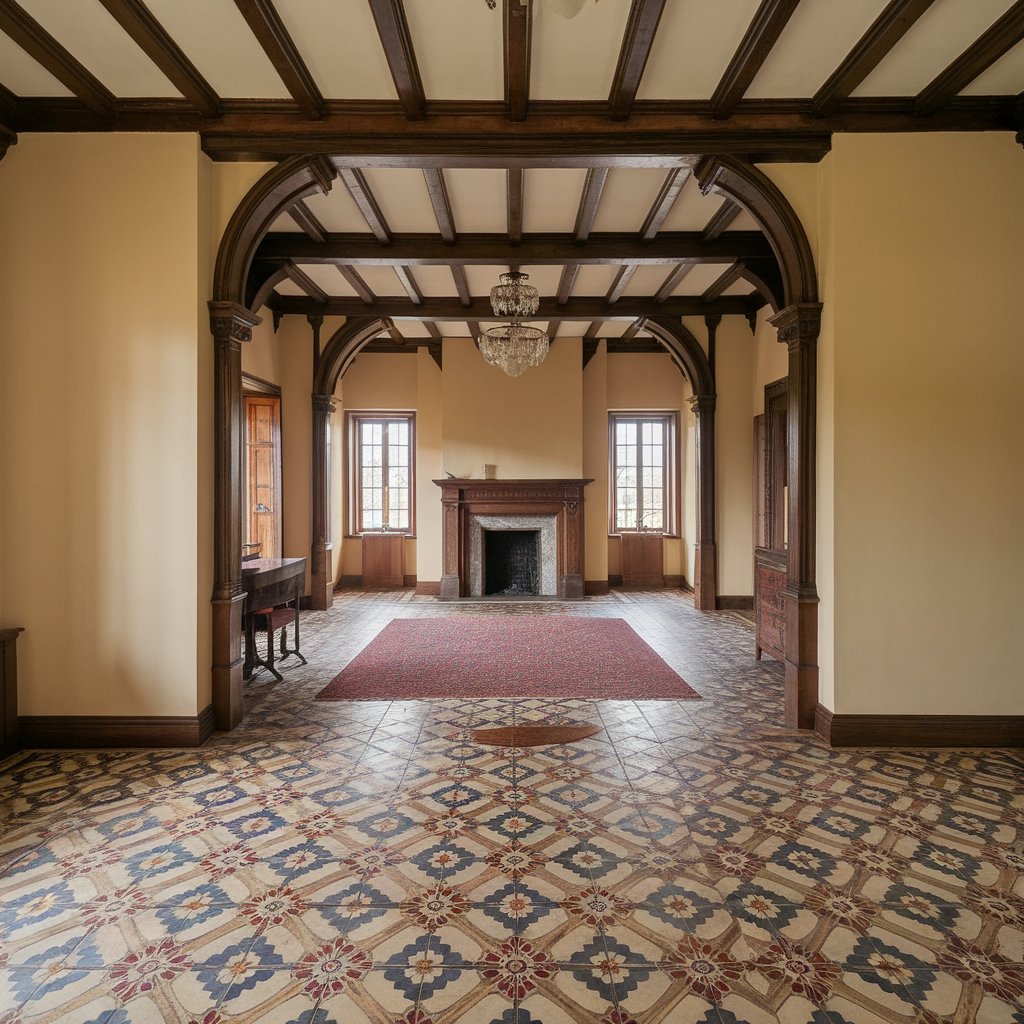
Many Victorian homes around London have older floors that may slope or suffer from past dampness. Even small misalignments can cause lipping or cracks in patterned encaustic tiles. Properly handling these issues is essential for how to lay Victorian floor tiles in hallway projects. Traditional hallway restoration benefits from professional tile replacements when original tiles are missing. These measures keep floors stable, safe, and striking, respecting each property’s character and history.
Conclusion
Victorian tiling blends heritage styling with the robust qualities needed for London’s climate. Correct installation and thoughtful upkeep result in floors that stand out for decades. Each stage, from levelling and pattern alignment to grouting and sealing, safeguards appearance and performance. Abel Tiler’s craftsmanship enhances period homes, busy hallways, and commercial entrances, delivering precision that honours timeless Victorian aesthetics. Every tile is placed with care, preserving history and creating a refined surface. Contact Abel Tiler today to transform your space with professional tiling services across London that highlight geometric tile patterns for authentic, enduring charm.