
Underfloor heating often appeals to homeowners in London, where chilly mornings and damp air can make tiled floors feel uncomfortable. This system warms the room from beneath, reducing reliance on bulky radiators and offering consistent heat. Many people wonder how to install underfloor heating in a bathroom without disrupting existing structures. The process involves thoughtful planning, high-quality materials, and professional expertise to achieve a welcoming environment that enhances daily routines.
Understanding Underfloor Heating in Bathrooms
Electric underfloor heating involves mats or cables laid beneath the surface. It suits smaller bathrooms where quick installation is appreciated. Hydronic systems, on the other hand, circulate warm water through pipes. Costs vary based on the property’s infrastructure, but both types respond well to the UK’s climate. Bathroom spaces must meet building codes that ensure safe electrical work, proper waterproofing, and suitable heat output. Guidelines address everything from wiring to insulation requirements. Ventilation may also be necessary if moisture accumulates in older properties.
Pre-Installation Planning
Assessing Bathroom Layout and Subfloor Condition
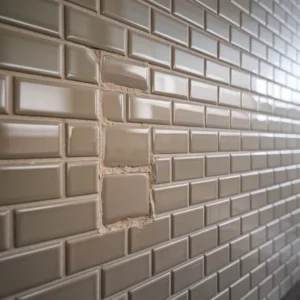
A stable, level base is essential for installing underfloor heating correctly in a bathroom. Existing tiles may be removed if they could compromise the performance of the new system. High-moisture environments require thorough checks for damp or structural issues. In London’s period homes, occasional floor reinforcements can be beneficial. Practical assessments guide the installation approach, helping to prevent complications before any heating elements are installed.
Choosing the Right Materials
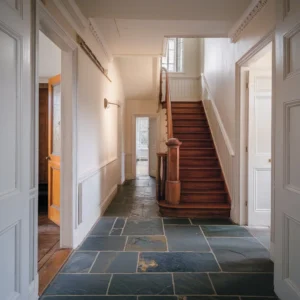
Certain tiles withstand temperature shifts better than others. Porcelain and ceramic varieties perform well, while slate conveys a timeless look in period-style homes. Selecting underfloor heating insulation boards helps retain warmth. Adhesives and grouts designed for heat fluctuation reduce the risk of cracks. Building layers with proven materials leads to smooth surfaces, extending the lifespan of a bathroom’s underfloor system.
Planning Thermostat Placement and Zones
A carefully positioned thermostat controls when and how the heating elements operate. Some householders opt for separate zones if multiple bathrooms or en suite spaces require different temperatures. Programmable devices allow refined scheduling, reflecting fluctuations in British weather. Correct placement maximises performance by accurately reading floor temperature, ensuring the system delivers consistent warmth without spiking energy bills.
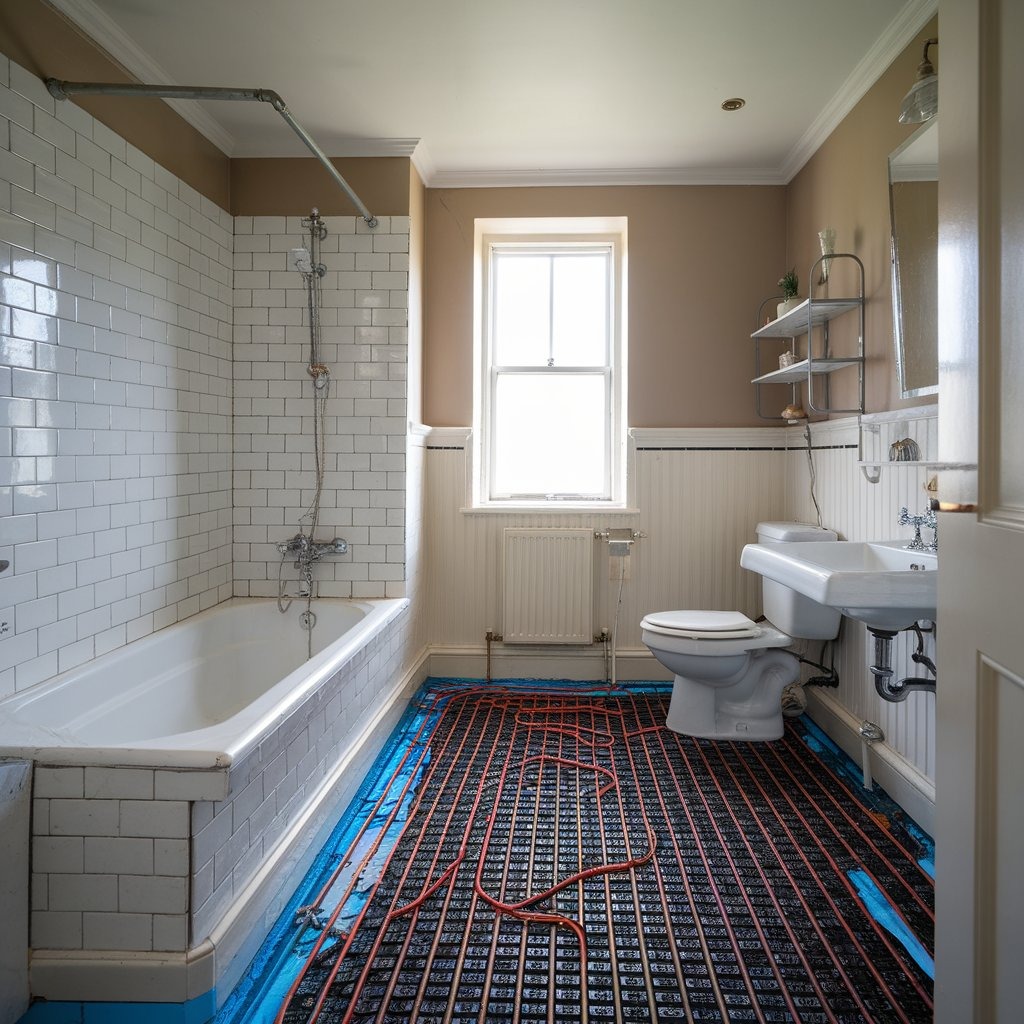
How to Fit Underfloor Heating in a Bathroom – Step by Step
Preparing the Workspace
Dust, debris, and old tiles are cleared away. Subfloor layers must be inspected for cracks or damp. A clean, even surface allows the chosen system to bond properly. Bathroom electrics are switched off and verified safe, minimising risks. Work proceeds systematically, guided by floor plans that account for pipes, drains, and the layout of any installed fixtures.
Securing and Insulating
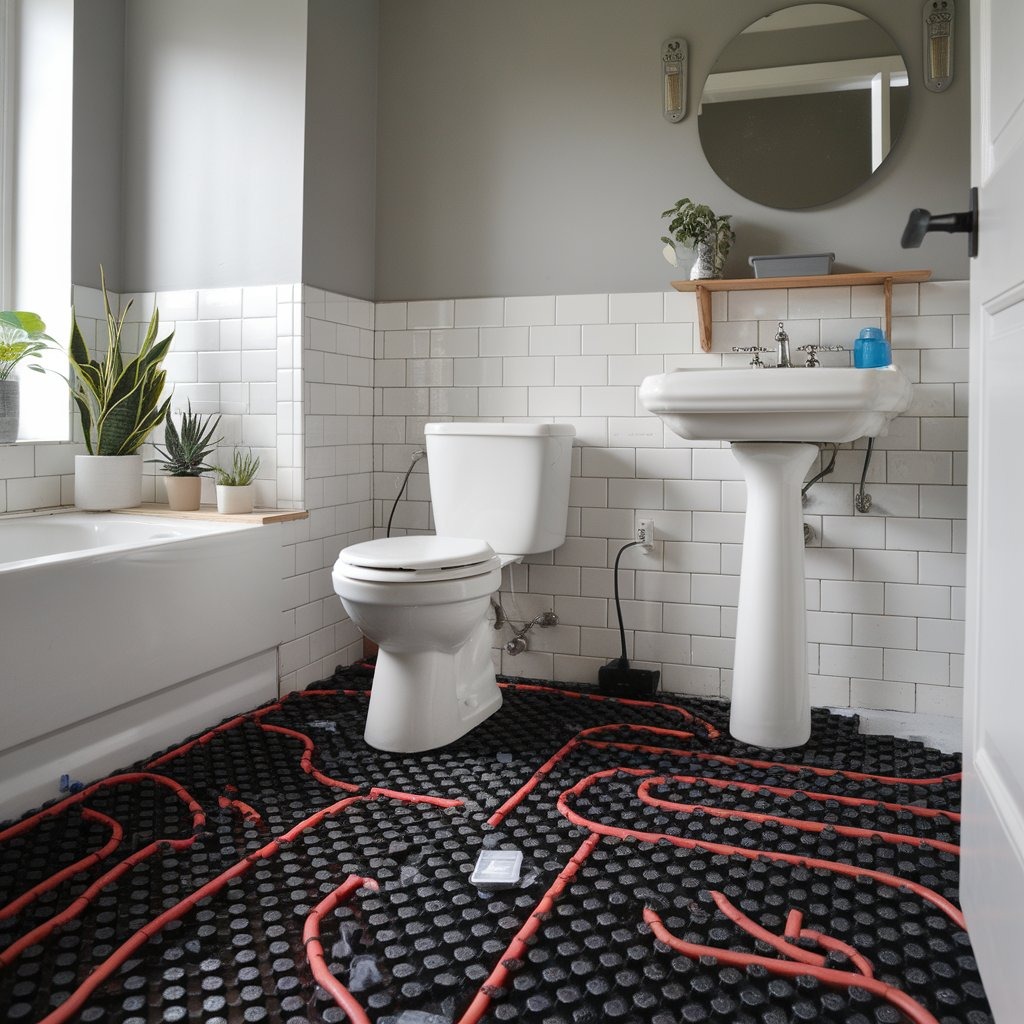
Loose cables or pipework must be kept in place with clips or membranes. Self-levelling screed may be laid over the system to form a protective, flat surface. In certain older London homes, additional insulation boards guard against heat loss. This stage ensures the layer beneath the tiles is stable. Proper insulation keeps warmth where it belongs, promoting better overall performance and long-term energy savings.
Tiling Over Underfloor Heating
Tiles are applied using adhesives specifically rated for heated floors. Gaps are kept to a minimum, while expansion joints remain essential in certain installations. Grout lines should be smooth, and all materials must withstand the temperature changes typical of a busy household. The thinset adhesive is allowed to cure fully, with no foot traffic permitted during setting to prevent misalignment. Careful attention to detail ensures the tiles bond securely without damaging the underlying heating elements.
First Switch-On and Checks
A gentle introduction of heat allows the adhesives and screed to settle properly, preventing sudden expansion. Many professionals recommend gradually increasing the thermostat over several days. This approach helps maintain the integrity of the new flooring. Heating cables or pipes are monitored to ensure consistent performance. A final inspection confirms that the system is functioning as intended. Once stabilised, the bathroom remains comfortable, energy-efficient, and visually appealing.
Maintenance, Lifespan, and Common Issues
Ongoing Care and Annual Checks
Underfloor heating rarely requires complex maintenance. Occasional inspections help identify early signs of wear, especially in floors exposed to frequent temperature changes. Alongside routine checks, incorporating tile protection helps preserve surfaces affected by heat variation and everyday use. Homeowners should watch for unusual noises, uneven heat distribution, or possible leaks. An annual system check, included as part of routine home care, helps maintain consistent performance. Detecting minor issues early prevents costly and time-consuming repairs later.
Energy Efficiency Tips
Well-insulated floors retain heat more effectively and improve overall efficiency. Thermostat schedules should align with household routines, adjusting output based on when the bathroom is most frequently used. This reduces unnecessary energy use while maintaining everyday comfort. Heat-retaining tiles also contribute to better performance.
Conclusion
A carefully managed underfloor heating project transforms a bathroom into a more inviting space. Safe, efficient materials marry with professional installation methods to maximise comfort and style. Thoughtful planning considers subfloor quality, tile selection, and reliable insulation especially when the project forms part of a wider tile renovation or bathroom upgrade. Each detail works in harmony to deliver a controlled, consistent warmth that benefits any household. Abel Tiler offers experience in pairing top-grade tiling with dependable underfloor solutions, ensuring a high-quality finish that meets the demands of London’s climate.