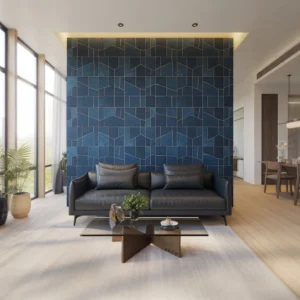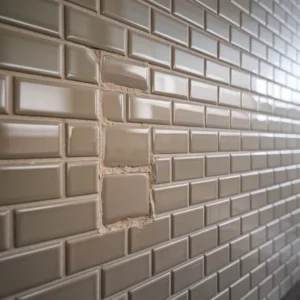
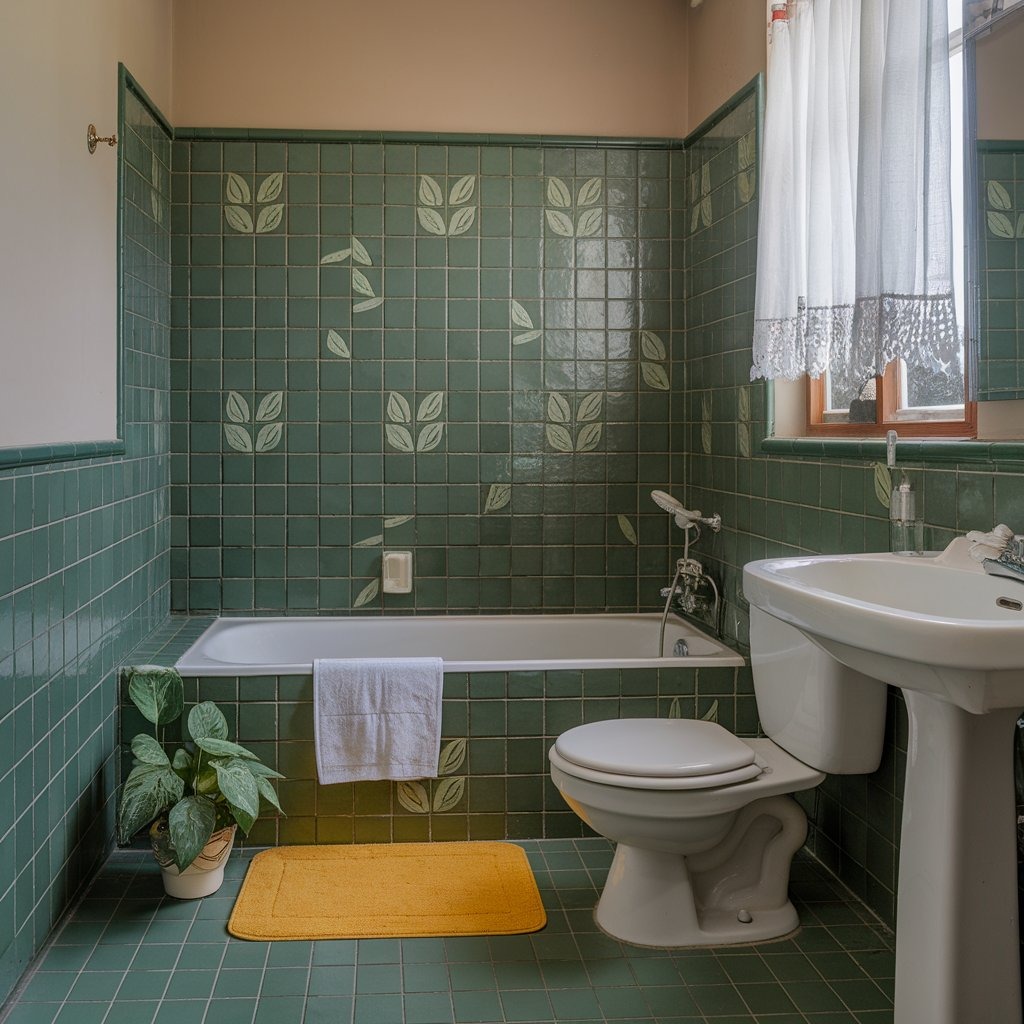
Bathrooms in London homes endure constant moisture, fluctuating temperatures, and heavy foot traffic. Selecting the right coloured grout for bathroom tiles makes a world of difference in both appearance and longevity. It’s not just about aesthetics; properly chosen grout prevents mould, minimises water damage, and adds a polished finish. Abel Tiler, a leading tiling specialist known for quality craftsmanship, understands how a carefully matched (or contrasted) grout colour can elevate any design. Whether you’re updating a Victorian townhouse or transforming a sleek modern flat, the grout hue you pick can enhance tile patterns, accentuate room features, and ultimately protect surfaces from the capital’s damp climate conditions.
Why Grout Colour Matters in a Bathroom
Grout isn’t merely a gap-filler. Its colour can highlight tile layouts, create striking contrasts, or blend seamlessly for a softer finish. Many Londoners find that paying close attention to grout colour can turn a standard bathroom into a truly stylish space. Coordinating tile and grout also guards against gaps where moisture could seep in, reducing future maintenance issues.
When thinking about the best grout colour for tiles, it helps to consider how lighting affects grout colour. A brilliant overhead light might make dark lines appear bolder, while natural daylight can emphasise subtle patterns. In period properties, a warm grout tone complements original features; in contemporary flats, sleek neutral shades can offer that minimalist, spacious vibe.
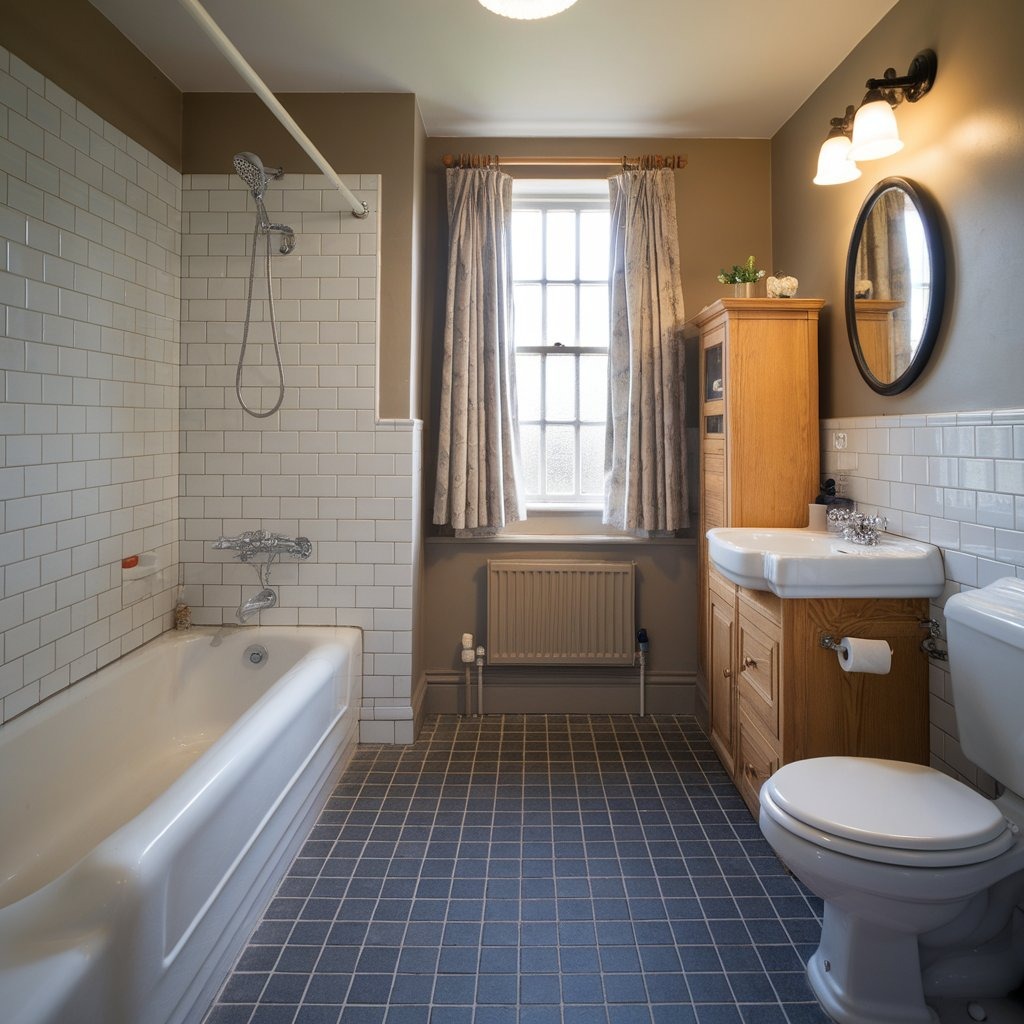
Choosing Between Light and Dark Grout
Many homeowners ask, “Should grout be darker or lighter than the tile?” The answer often depends on whether you want to draw attention to the tile pattern or keep it discreet. Light grout blends in smoothly and can make small bathrooms feel larger. However, darker shades mask stains more effectively, especially if the tiles come into frequent contact with water or soap scum.
Matching Your Grout to Different Tile Colours
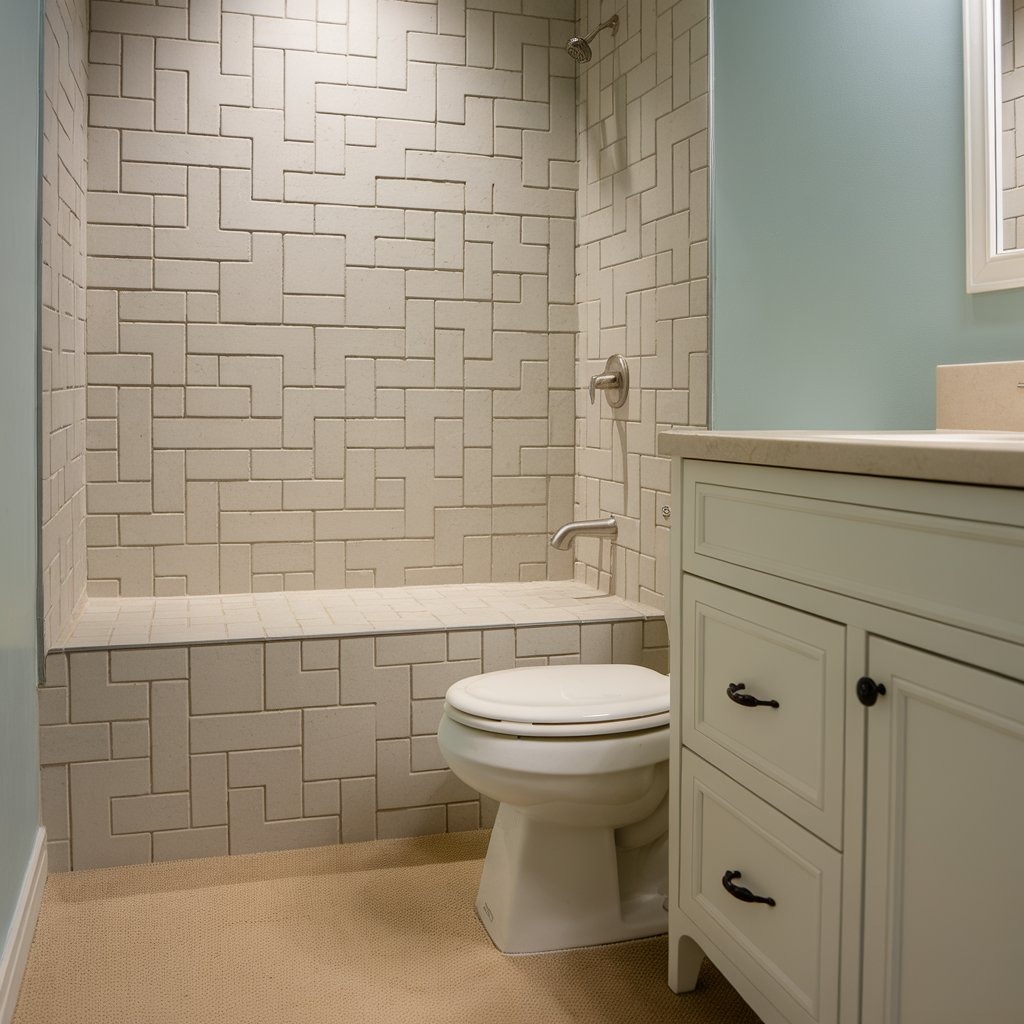
Deciding what colour grout for bathroom tiles starts by evaluating your tile shade. For white surfaces, a classic, traditional effect can be achieved with white or light grey, which looks timeless. On the other hand, a darker grout can make those pristine tiles pop, especially if you love modern tile grout trends or the popular monochrome vibe.
When choosing grout colour, consider tile texture and style, too. Wood-effect tiles benefit from warm brown or taupe grout, while mosaic designs often work best with neutral shades that don’t distract from intricate patterns. In rustic schemes, earthy grout tones fit perfectly; in ultra-modern apartments, crisp grey or slate-coloured lines can emphasise geometric tile layouts and clean silhouettes.
Conclusion
By selecting the perfect coloured grout for bathroom tiles, you not only enhance the visual impact but also protect your surfaces from moisture, cracks, and wear. The right grout choice can even help prevent issues like a cracked bathroom tile, supporting both durability and long-term maintenance. A well-chosen grout shade complements individual tastes, whether you prefer a striking contrast or a flawless blend.
Abel Tiler delivers high-quality solutions for every style, ensuring bathrooms remain both beautiful and resilient. Get in touch with Abel Tiler today to experience expert advice and professional workmanship that transforms your space, embracing London’s diverse property styles with reliable, lasting, and exquisite tiling finishes.